












- WIADOMOŚCI
From Golfs to guns. Can Germany’s arms boom cushion the auto downturn?

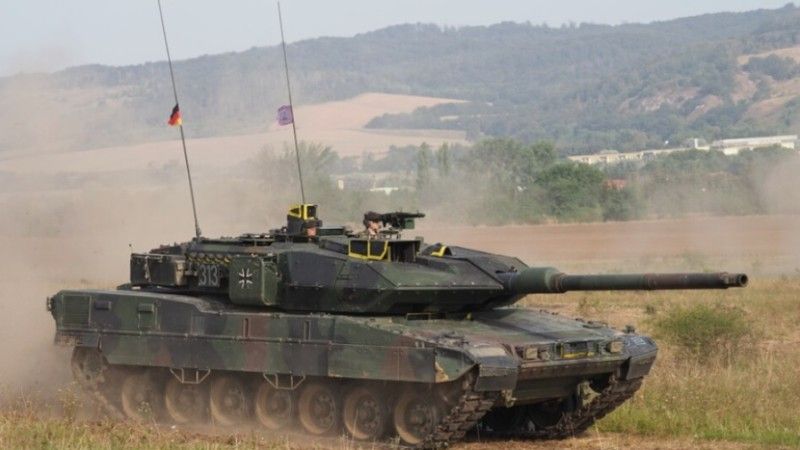
Germany’s Zeitenwende is hitting the job boards. Since 2021, German defence groups and start-ups have added roughly 20,000 staff, fuelled by a Ministry of Defence contract book that has swollen by around €207bn since 2022, including €83bn in 2025 alone. Still, the sector remains too small to absorb the scale of job losses in the car industry.
According to a recent industry tally by Financial Times, Germany’s major defence contractors and fast-growing start-ups now employ about 83,000 people globally. Airbus accounts for around 38,000 defence-related roles, while Rheinmetall’s workforce has risen from roughly 15,400 to 23,500 over the same period.
The automotive industry, however, dwarfs these figures. Manufacturers and suppliers employed about 721,400 people in Germany in September 2025, despite a year-on-year decline of 48,700. This domestic auto workforce is roughly nine times the global headcount of the defence companies. In fact, four years of total defence hiring amounts to less than half of the net auto job losses recorded in just the last year, even before accounting for the fact that many new defence roles are based outside Germany.
Where growth does offer relief is in overlapping skill sets: welding, machining, electronics, software, and ammunition production make some redeployment plausible. As it pivots to military orders, Rheinmetall has initiated the sale of its civilian Power Systems division and indicated that Volkswagen’s Osnabrück plant would be suitable for arms production.
See also 

However, contracts translate into deliveries on multi-year timelines. While the order book is growing, the Bundeswehr reported 149 procurement projects delivered or otherwise realised last year, with a combined project volume of only about €24bn. Major programmes remain constrained by long development, certification, and supply-chain cycles. At today’s scale, the defence industry can cushion specific pockets of job losses, but it cannot replace the car industry as a key flywheel of the German economy.
Author: Jakub Bielamowicz


