












- WIADOMOŚCI
The Polish Army is undergoing a major transformation. Also in space

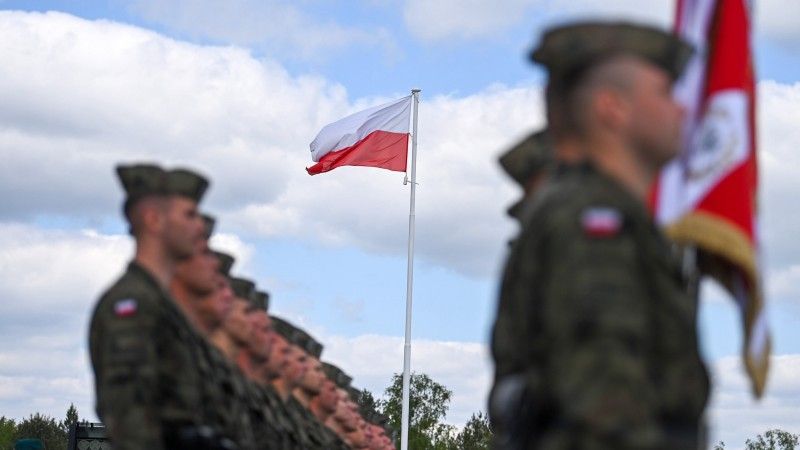
Photo. Ministerstwo Obrony Narodowej 🇵🇱 (@MON_GOV_PL)/X
“The Polish Armed Forces are undergoing the greatest transformation in their history.” emphasized Chief of the General Staff of the Polish Armed Forces, Gen. Wiesław Kukuła. He added that the army is increasing its capability to conduct so-called multidomain operations.
During his Wednesday address titled“Security of Tomorrow – Shared Responsibility in a Changing World” at this year’s edition of the European Forum for New Ideas in Sopot, Gen. Kukuła highlighted that 150 modernization programs are currently underway as part of the transformation.
"The New Order of Poland"
“The result of this transformation will be something I will now fashionably call ‘the new order of Poland,’” said the general. He explained that the term refers to the “old order of Poland,” a system of military organization that existed at the turn of the 15th and 16th centuries and ensured the protection of Poland’s sovereignty.
Gen. Kukuła explained that the transformation of the Polish Armed Forces is based on what he called the ‘Great Seven’—seven key directions in which the military is being developed. Among them, he mentioned the concept ofintelligent mass. “Innovation today is a weapon that kills enemies more effectively than entrenched doctrinal patterns. We are to be a mass of individually profiled talents with highly developed competencies,” he emphasized.
He also noted that one of the key elements is the development of capabilities to conduct multidomain operations. He clarified that this involves focusing the armed forces’ experience not only on traditional domains—sea, air, and land—but also on the space domain, cyberspace, and the cognitive sphere.
In addition, Gen. Kukuła stressed the need to invest in deterrence systems against potential adversaries, including F-35 aircraft, as well as the need for a new model of maintaining reserve readiness, dronization and robotization, and the integration of operations across various domains.

A New Era of Space Capabilities for the Polish Armed Forces
In recent years, Poland has made significant progress in developing its own space capabilities. The greatest advances have been achieved in the field of military satellite reconnaissance. The main objective is to ensure intelligence independence and enhance the effectiveness of operational activities both in peacetime and during crises.
One of the most important achievements in recent years is the acquisition by the Polish Armed Forces of an Earth observation satellite system under theMikroGlob program. The agreement, between the State Treasury – Armament Agency and Creotech Instruments S.A., was signed on December 20, 2024. Under the contract, the military will acquire four micro-class optoelectronic satellites. The satellite launches are planned for 2027.
Another key direction in building geospatial intelligence capabilities involves investments in the development of satellites equipped with Synthetic Aperture Radar (SAR) technology. On May 14 of this year, the Polish Armed Forces signed an agreement to secure such capabilities. The technology will be provided by a consortium composed of ICEYE Polska and Military Communication Works No. 1 (Wojskowe Zakłady Łączności Nr 1 – WZŁ-1).
ICEYE, as the lead contractor, is responsible for delivering the space segment (three satellites). WZŁ-1, as a consortium member, will supply the ground segment, including a trailer-mounted satellite antenna. The contract also includes an option to purchase three additional satellites and a Mobile Ground Segment. The total value of the contract amounts to 860 million PLN (gross). The first satellites are scheduled to be launched into orbit in November of this year.
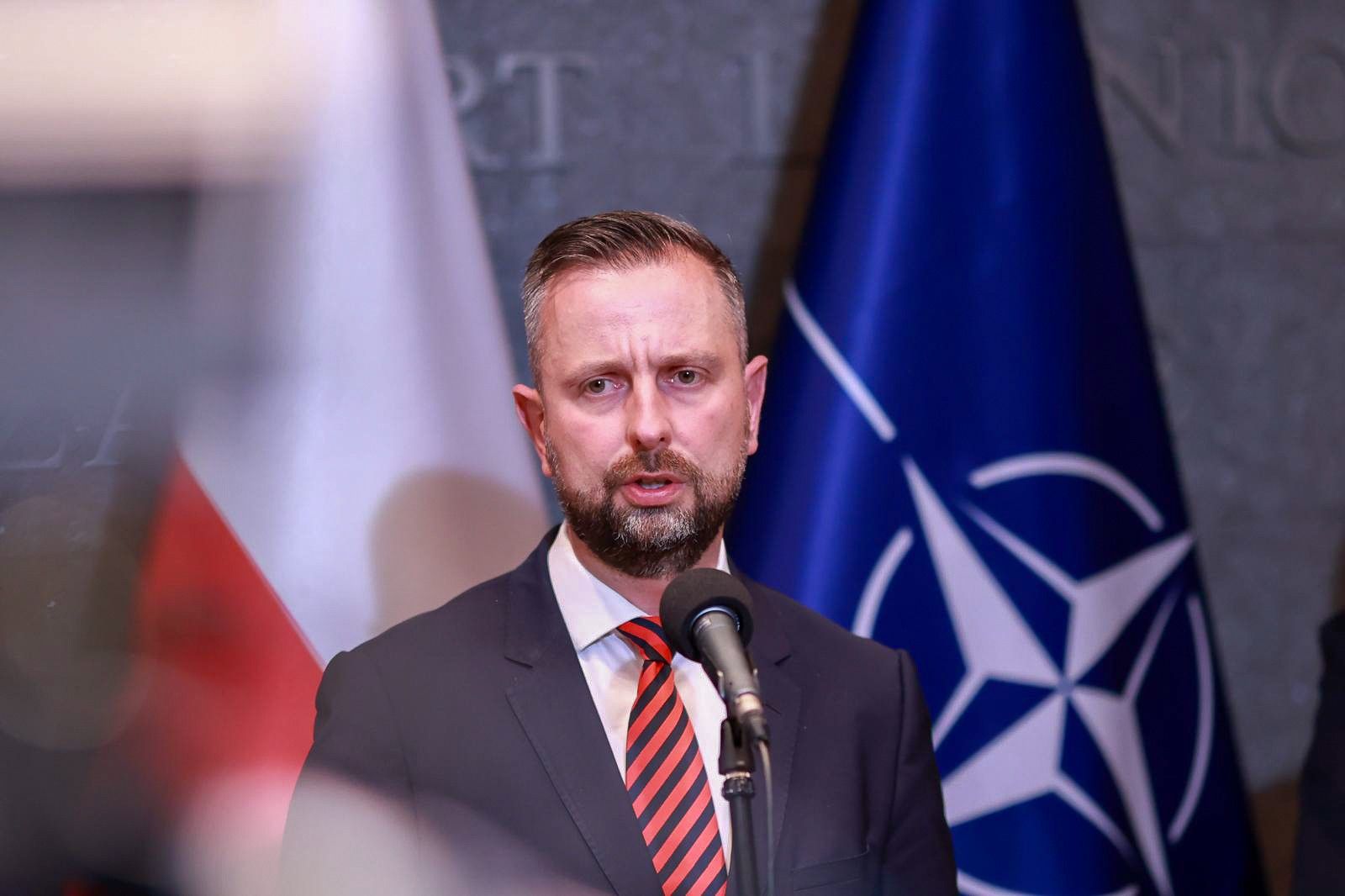
The Polish Armed Forces are also counting on the PIAST (Polish ImAging SaTellites) project. Its goal is to build a constellation of three nanosatellites for optoelectronic image reconnaissance, based on Creotech Instruments’ proprietary Hypersat platform. The project leader is the Jarosław Dąbrowski Military University of Technology (Wojskowa Akademia Techniczna – WAT), with consortium partners including Creotech Instruments S.A., the Łukasiewicz Research Network – Institute of Aviation, PCO S.A., the Space Research Centre of the Polish Academy of Sciences, and Scanway S.A.
It is worth noting that the PIAST project aims to leverage the potential of cooperation between scientific institutions and private enterprises in developing solutions critical to national security and defense. The final recipient of the project’s results is the Ministry of National Defence. According to available information, the project is expected to be completed by February 2026.
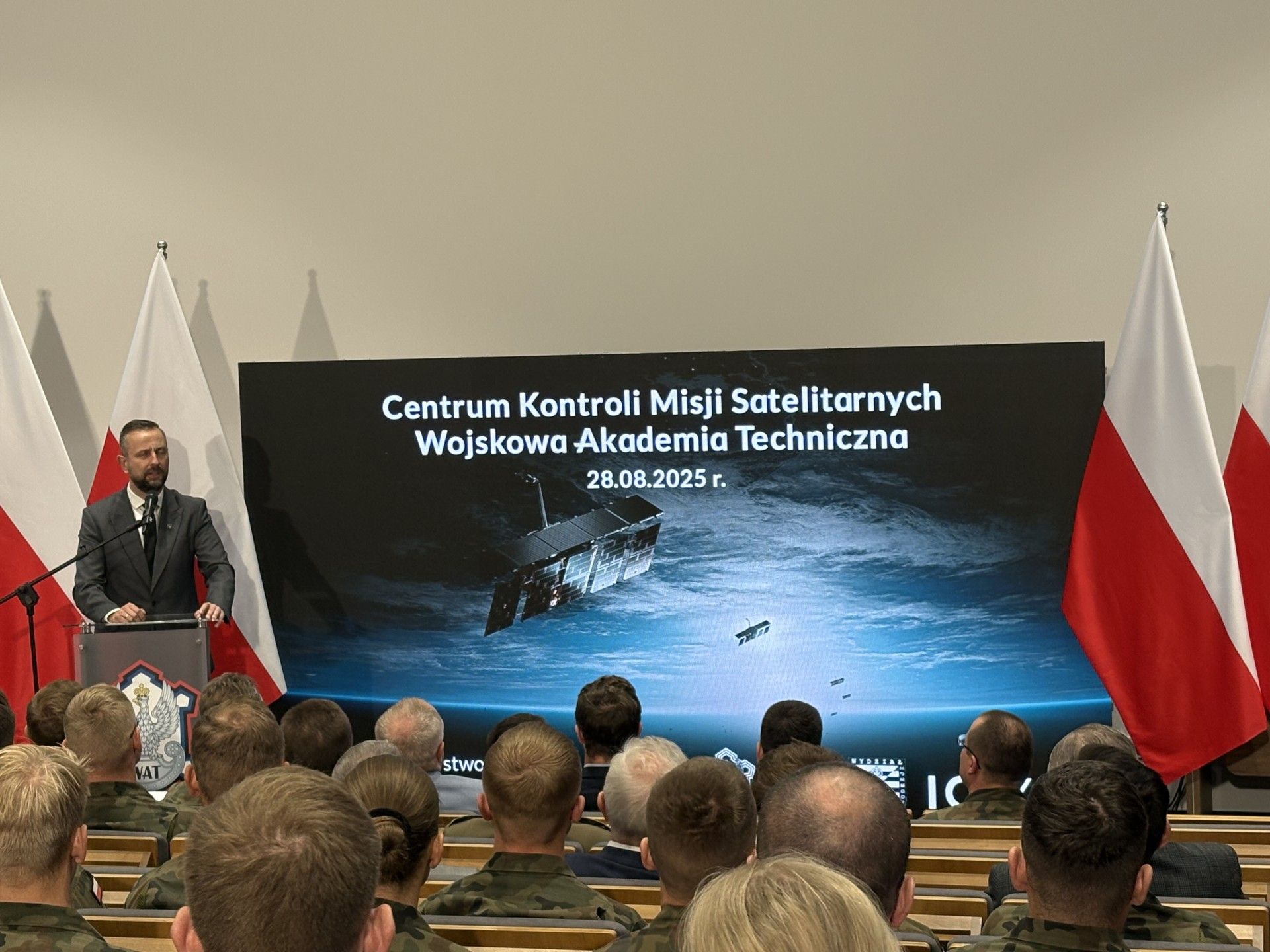
In this context, it should also be recalled that as part of the PIAST project, the WAT Satellite Mission Control Center was established. This infrastructure enables full autonomy in satellite operations—from monitoring and management to data analysis—without relying on foreign solutions or external entities.
Support from France
In addition to domestic investments, the Polish Armed Forces have also decided to take advantage of an offer from the French company Airbus Defence & Space. The agreement, signed in December 2022, concerns the acquisition of two French optoelectronic satellites (Pleiades Neo) along with a ground receiving station. The total value of the contract is approximately 575 million EUR (around 2.7 billion PLN).
The delivery of the two satellite platforms and the ground segment is scheduled for 2027. At present, there are no plans to expand the contract to include additional platforms. It is worth noting that under this agreement, the Polish Armed Forces have had access since 2023 to the resources of the currently operational Pleiades Neo satellite constellation.
In the recent years, Poland has allocated substantial financial resources to the development of national reconnaissance capabilities. In the face of growing geopolitical challenges and rapid technological progress, this is a necessity that must be continued to further strengthen the country’s security. Until recently, Poland relied primarily on cooperation with its allies. Now, that situation is changing.


