












- WIADOMOŚCI
EAEU or EU? Armenia’s strategic crossroads

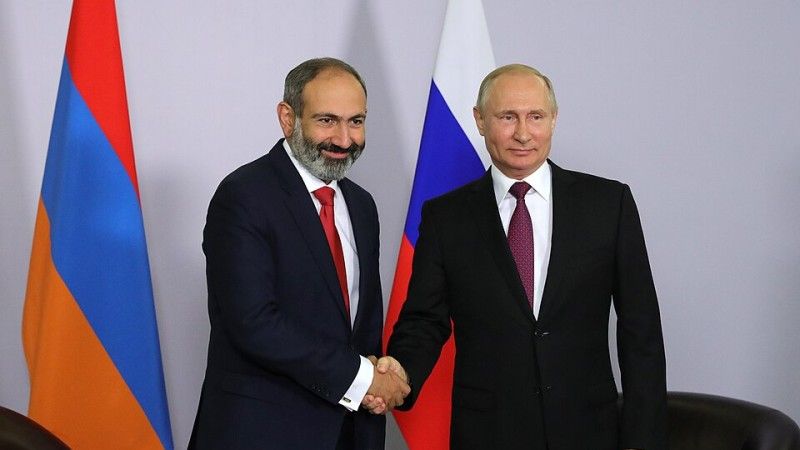
Photo. Пресс-служба Президента Российской Федерации / Wikimedia Commons
Armenian Prime Minister Nikol Pashinyan is planning a visit to Russia and a meeting with Vladimir Putin. This is expected to take place following the upcoming Armenian parliamentary elections. The Prime Minister faces a choice between maintaining relations with a long-standing Russian ally or continuing a pro-Western pivot.
Parliamentary elections will be held in Armenia this coming Sunday. They will serve as a litmus test for the incumbent prime minister’s policies. Nikol Pashinyan has decided to pursue a pro-Western course. Last month, the first EU-Armenia summit was held, where Pashinyan hosted leaders from numerous European countries. A strategic partnership agreement with the United States was also signed, and President Donald Trump expressed support for Pashinyan’s political group.
In response, the Russian Federation introduced a temporary import ban on certain Armenian goods and threatened to suspend lucrative oil and gas contracts. Putin made the matter clear: Armenia must choose between the EU and the Russia-led Eurasian Economic Union (EAEU). He warned that the „Ukrainian scenario” began with Kyiv’s attempts to forge closer ties with Brussels.
See also 
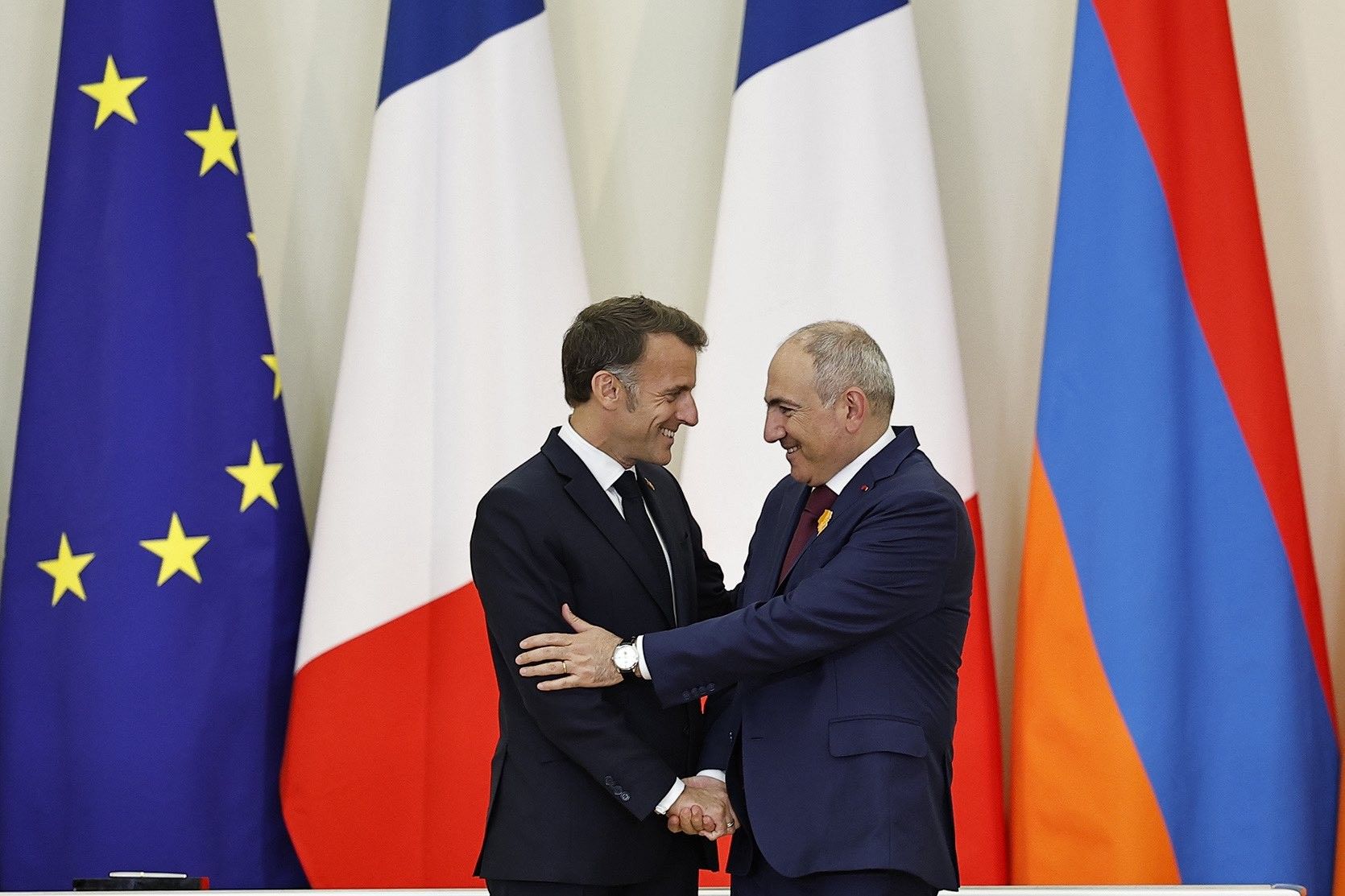
Pashinyan maintains that he is committed to pragmatism and that his government is pursuing a „balanced” foreign policy aimed at securing new partners. He has no intention of severing ties with Moscow and would like Armenia to remain in the EAEU. Historically, Russia has been Armenia’s ally and its largest economic partner. A shift in relations occurred in 2018, when Nikol Pashinyan’s Civil Contract party took power. Following the change of leadership, Armenia’s relations with the broader West gradually began to warm. This pivot stemmed, in part, from disappointment over the insufficient support provided by Russia during Armenia’s conflict with Azerbaijan over Nagorno-Karabakh.
In the final days before the elections, Civil Contract leads in the polls. However, it remains uncertain whether the party will be able to form a majority government on its own, as the strongest opposition groups tend to be pro-Russian. A defeat for Pashinyan’s party would likely signal the end of Armenia’s pro-Western trajectory.


