












- WIADOMOŚCI
Estonian intelligence: Russia isn't planning an attack on NATO

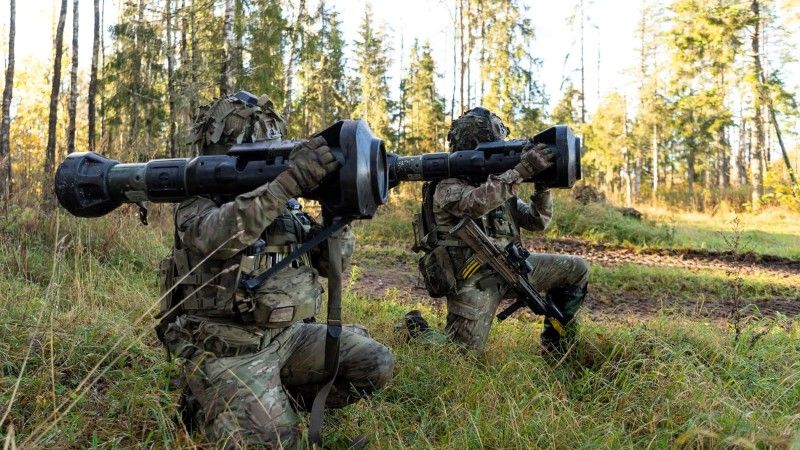
Photo. French Forces in Estonia / X
The director of Estonia’s Foreign Intelligence Service, Gen. Kaupo Rosin, told ERR News that, at that time, Russia was not planning an attack on the Baltic states or any other NATO country.
In an interview with local ERR News, General Kaupo Rosin, the Estonian Foreign Intelligence Service Director reviewed developments of recent months, addressing, among other things, hybrid activities by the Russian Federation aimed at NATO members.
NATO increasingly effective
Gen. Rosin argued that NATO’s actions over the past year had progressively forced Russia to minimise the number of further incidents. He cited the Baltic Sentry mission and a range of other measures that had complicated the operations of, for example, the so-called „dark fleet” or „shadow fleet”.
He noted that the shadow fleet was not completely untouchable and that Western operations prompted reflection by the ships« flag states and insurers; he said it was therefore worth maintaining that type of pressure and gave the example of French services that had detained one tanker linked to the fleet.
Rosin added that current drone flight routes over Ukrainian territory and airspace had been adjusted to minimise risk, and that Russian aircraft were now carefully monitoring their flight paths over the Baltic Sea, strictly adhering to designated trajectories to avoid causing incidents.
The Estonian general also commented on the high-profile September incident in which three Russian MiG-31 fighters entered Estonian airspace for nearly 12 minutes, saying that Tallinn’s response had been appropriate.

Slow NATO Down
According to Rosin, Russia’s principal aim at present is to bring about a significant slowdown in European rearmament.
He said that Moscow sought to decelerate the pace of armament in Europe and that there were many ways to pursue that goal, with a broad toolkit likely available. He added that sabotage acts, particularly directed against countries on NATO’s eastern flank, were probably carried out with the knowledge and consent of Russian authorities, with the main purpose of weakening support for Ukraine, destabilising the country itself, and disrupting supply lines.
Finally, Rosin emphasised the ongoing deterrence task facing the Alliance. He stated that Russia still respected NATO and that it was incumbent on NATO, the EU and individual states such as Estonia to sustain that respect over the coming years. Maintaining the current situation, he argued, required continued investment in defence and a substantial effort going forward.


