












- WIADOMOŚCI
France pushes Mirage deal for Ukraine – Greece hesitates

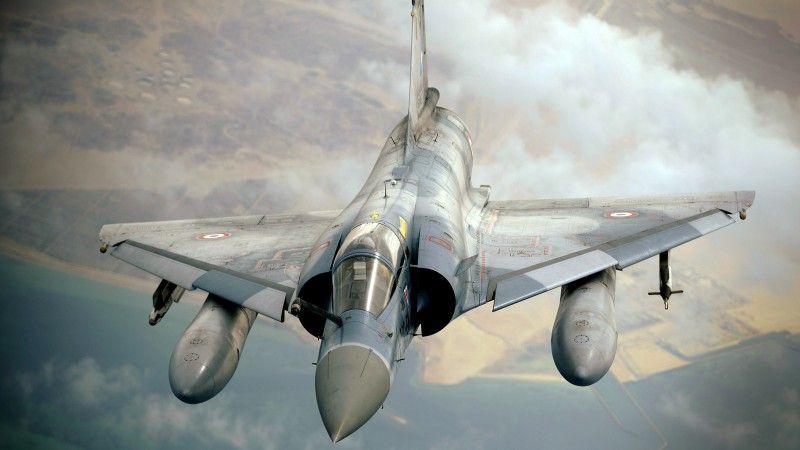
Athens currently operates 24 Mirage 2000-5 aircraft, alongside older variants already partly withdrawn or in storage. Paris wants at least part of this fleet redirected to Ukraine. The issue is not only political—it is operational and financial.
France is trying to do three things at once. Support Ukraine, strengthen its position in Europe and secure more Rafale contracts. This is a consistent approach. Paris links military support with industrial policy. In this case, however, the scale of the proposal makes it much more sensitive.
From the Greek perspective, the numbers matter. Mirage aircraft are no longer the backbone of the fleet, but they still provide capability. Greece already operates 24 Rafale jets and a large fleet of F-16s. Giving away even part of the Mirage fleet means reducing available capacity in a region where tensions with Turkey remain a constant factor.
The financial dimension is equally important. Greece has launched a €25 billion defence modernisation programme until 2036, with a large share already committed. At the same time, Athens plans to acquire 20 F-35 aircraft. Adding another Rafale package—even with a discount—creates real pressure on the budget.

From the French side, timing is key. Paris wants movement now. The war in Ukraine creates a window to accelerate decisions that would normally take years. This is about leadership, but also about industry. Rafale is not just a fighter jet—it is a strategic export product.
The key question, however, is on the Ukrainian side. So far, Ukraine has received only a very limited number of Mirage aircraft, and their operational use remains constrained. Training pilots, building maintenance capacity and integrating the platform into existing systems all take time.
This is the core issue. Delivering aircraft is one thing, using them effectively is another. Ukraine is already operating multiple Western systems. Each of them requires its own logistics, training and infrastructure. Mirage adds another layer of complexity.

At the same time, Ukraine is looking further ahead. There are clear signals of interest in more advanced platforms, including Rafale. This creates a strategic dilemma: whether to invest in Mirage now, or focus on what will define the air force in the future. The real question is not how many Mirage Ukraine will receive, but how many it will actually be able to use.


