












- WIADOMOŚCI
- KOMENTARZ
Have Western armies grown complacent, or is it just a detached opinion?

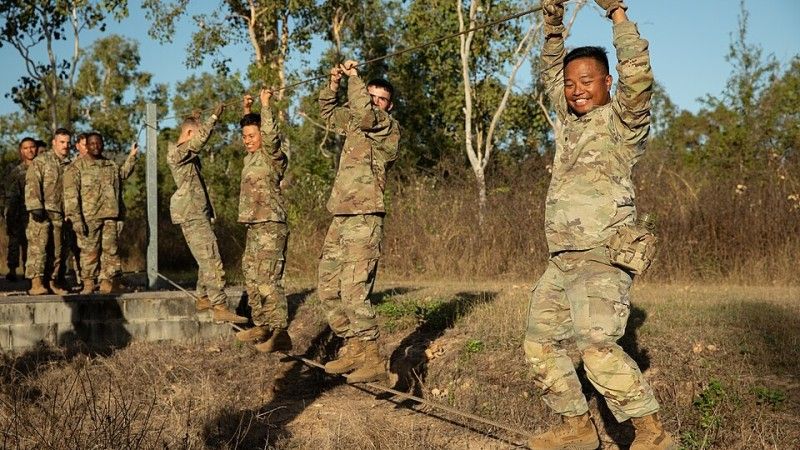
Recently, the Australian Deputy Chief of Army went on to mention an „unavoidable creep of managerial speak” within the Australian Defence Force. He mentioned the inability to speak directly about the true, cruel nature of war as one of the symptoms of the general rot pervading the ADF. But is it just an Australian problem, or do we truly have an issue with military culture going „soft”?
This isn’t something the Aussies have come up with, either. After all, it was Secretary of Defence Pete Hegseth’s idea to (re)introduce the „warrior ethos” and new physical standards to the US Armed Forces. This is one of the reasons the idea of a name change to the Department of War emerged in the first place.
But what is the warrior ethos? Interestingly, the Australian Army’s own Research Centre frames it like this: „To be effective in combat, an army needs its members to have a self-perception of warriors as fighters, and the army as a whole needs to be imbued with the characteristic spirit, or ethos, of the fighting warrior: the desire to close with the enemy and kill them”. So, contrary to General Chris Smith’s words, his countrymen are able to call things what they are.
But the same journal mentions a different reality: one where we use hard power, where soft power would be more suitable. The United States putting USAID on the chopping block and deactivating the 1st Information Operations Command means that we might be fighting a losing battle. In an era where how you „sell” a war to the public at home and abroad could mean more than any exercise in military might, getting rid of the tools that provide you with those capabilities is not a sign of a returning warrior spirit, but shortsightedness.
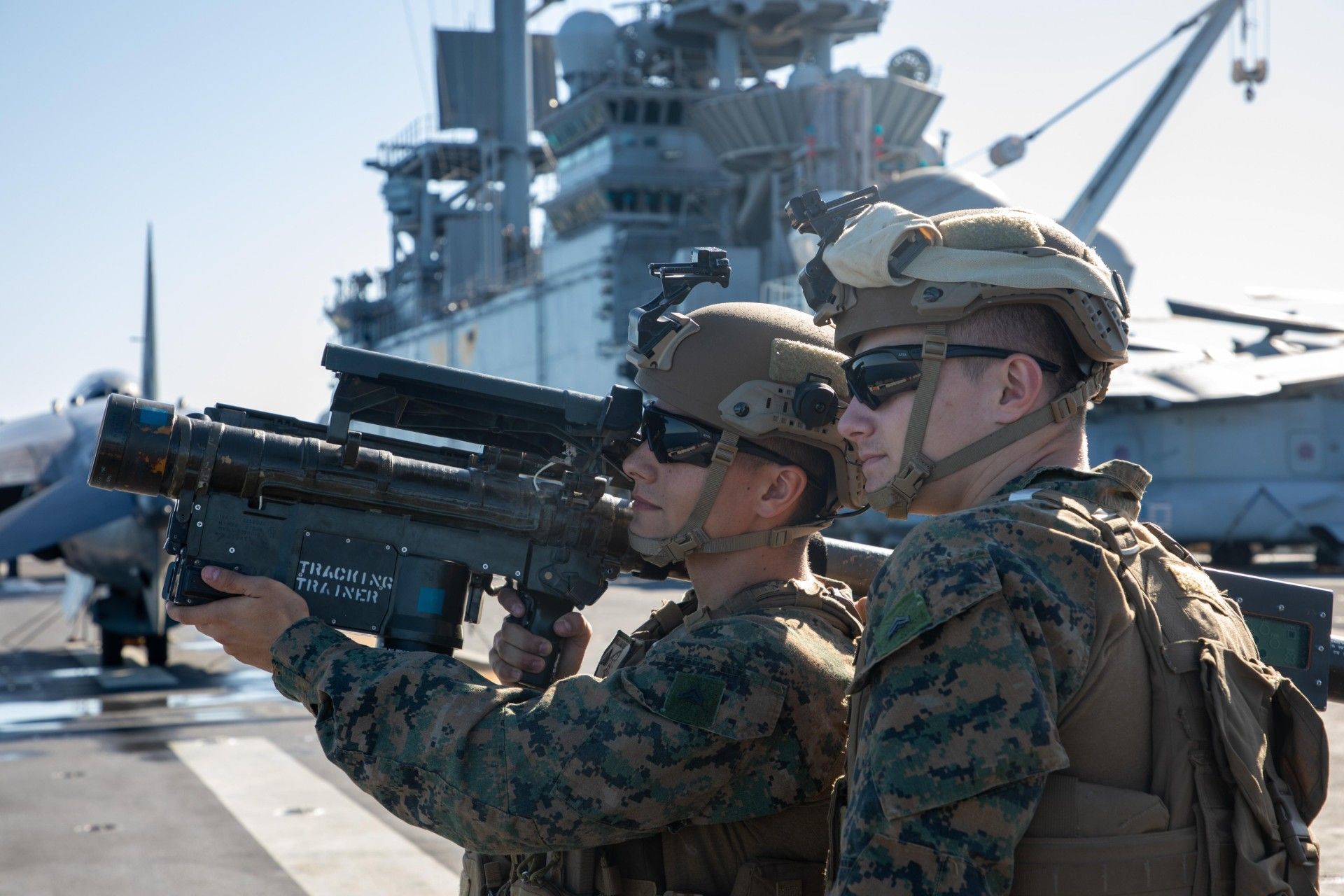
In his speech, General Smith mentions how, according to him, modern managerial and advertising logic and doublespeak pollute the military profession. While this position seems agreeable, it may as well stem from the very thing we, as Western societies, pride ourselves on—civilian oversight of the military. What’s more, armed forces take a lot of positive things from the „civvie” shelf, too—take drones, which, depending on how you measure, account for 60 to 80% of all Russian losses in Ukraine.
There is simply no way to separate civilian life and the military—they are dependent on each other. The discussion about the viability of managerial terminology in the field is, of course, there to be had, but sometimes we have to acknowledge that those things exist to appease the ones in charge, who may not like very definitive wording such as „kill” that they cannot retract. This desire to prove your ethos and that you still have it may lead to a shortcoming in operational planning, and, just like the situation regarding the US and Iran currently, you can instead end up in a war from which you cannot easily retreat.
Mateusz Bernacki


