- WIADOMOŚCI
Poland, SAFE, C-UAS and armor – where things stand?

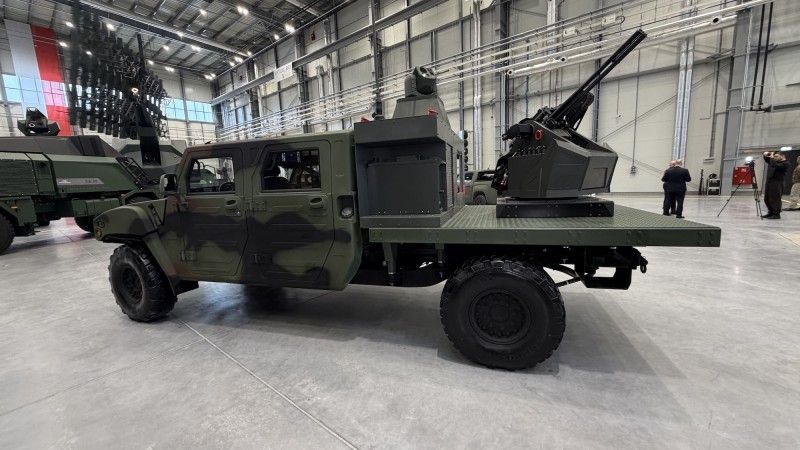
Photo. Tomasz Głowacki/Defence24.pl
Poland has received an approval of its European defence industry investment plan by European Comission. While the list of SAFE projects remains classified, there are some first indications on what Poland will purchase – and a first mega-deal to be financed with SAFE was already signed.
In the late January, the EC has officially approved the „second wave” of defence industry investment plans under SAFE (Security Action for Europe). The plans are necessary to implement a massive loans for defence products and investments, worth EUR 150 billion to be spent until 2030 (and repaid until 2070), as they outline the equipment purchases and industrial investments that the countries want to make. The Council has time until late February to approve the plans, and then the actual loan agreements can be signed.
Eight Member States have received approvals for the plans, including Estonia, Greece, Italy, Latvia, Lithuania, Poland, Slovakia and Finland, and the total amount of planned investments is EUR 74 billion. This is slightly less than half of the total SAFE funding. And Poland is set to receive as many as 43.7 billion, so more than 50% of the second tranche.

Warsaw has announced as many as 139 projects have been included in its plan – likely the most sophisticated in the EU, which is unsuprising. Most of those projects are of course related to the Ministry of Defence, but there are some within Ministry of Infrastructure, Ministry of Internal Affairs and Administration and Ministry of the State Assets. The latter is responsible for increasing the capacity of the state-owned defence industry, so besides purchasing of equipment, Poland certainly plans investments in production plants and facilities, and got an approval for it. For now, it is not known whether Poland will allocate SAFE capacity expansion funding only to state-owned companies or also to private-owned, though big procurements in private-owned companies are already taking place?
What Poland wants from SAFE?
This is a question almost everyone is asking in the Polish defence and security sector now. The full list of 139 defence, security and dual use investments that Poland is aiming to make within its SAFE projects is classified for now. And while officials, including Deputy MoD Cezary Tomczyk has spoken publicly in favour of declassification of the list, it will likely take some time – as there is a need to assess to which extent it can be discussed publicly, due to the fact that some of the projects mentioned may indicate Polish Armed Forces capability gaps which shall not be revealed.
Thus, it is good to summarise and state what we know about Polish SAFE for now, because some information are out there public. So, let’s start with the low hanging fruit. We can quite safely assume that Ministry of Infrastructure will aim either for dual use projects (e.g. roads, bridges, railheads) that are necessary for military mobility, and for critical infrastructure protection. There are requirements for military mobility improvements all over Poland, as some parts of the country still have underdeveloped road & (even to a larger extent) rail network (particularly in the East), and even some of the „good” roads (like motorways) need improvements or expansion specifically to the military requirements.
Potwierdzono środki z europejskiego Programu SAFE dla Polski ✅🇵🇱🇪🇺
— MSWiA 🇵🇱 (@MSWiA_GOV_PL) January 27, 2026
💰 43,7 mld euro (ok. 190 mld zł) na bezpieczeństwo Polaków ➡️ część trafi bezpośrednio do służb mundurowych #MSWiA.
Na co postawią @PolskaPolicja i @Straz_Graniczna?
🚀 Drony i systemy antydronowe - pełna… pic.twitter.com/yNwDaU2fOG
Regarding the Police and Border Guard, the Ministry of Internal Affairs and Administration (which usually has a little less classification information requirements than MoD and Armed Forces) has said in an X post, that the SAFE money will be spent on:
- Drones and counter-drone systems
- Reinforcement of the Eastern Border protection (presumably also with C-UAS systems)
- Helicopters, boats and (light) Armored Vehicles for mobility
- Weapons, munitions and ballistic protection (likely small arms, helmets, vests, ballistic shields for CT units etc.)
- And modern C2 systems.
More details are to be awaited. One should note that the procurements for Police and Border Guard more often than not take place through open bidding/tender process rather than sole source which generally is reserved for the military/defence under Article 346 of TFUE „protection of the essential interests of its security”. Likewise, the Ministry of State Assets will aim to spend the capacity expansion money for facilities, equipment etc.
Coming to the largest pool, the MoD and the military, there is also the largest classification levels. We may assume that most probably over 100 projects are regarding the defence equipment (as well as reinforcement of the Eastern Border within the Eastern Shield, also under the military, as opposed to other projects conducted by the Border Guard). This shows us the complexity of Polish SAFE. Another factor is that the majority of the projects of Polish military are planned to be purchases by single Member State, which are possible only if a contract was signed until 30 May 2026. While this financing may be used to some agreements concluded in 2025 (and perhaps in 2024?), many of them will be signed in the coming months.
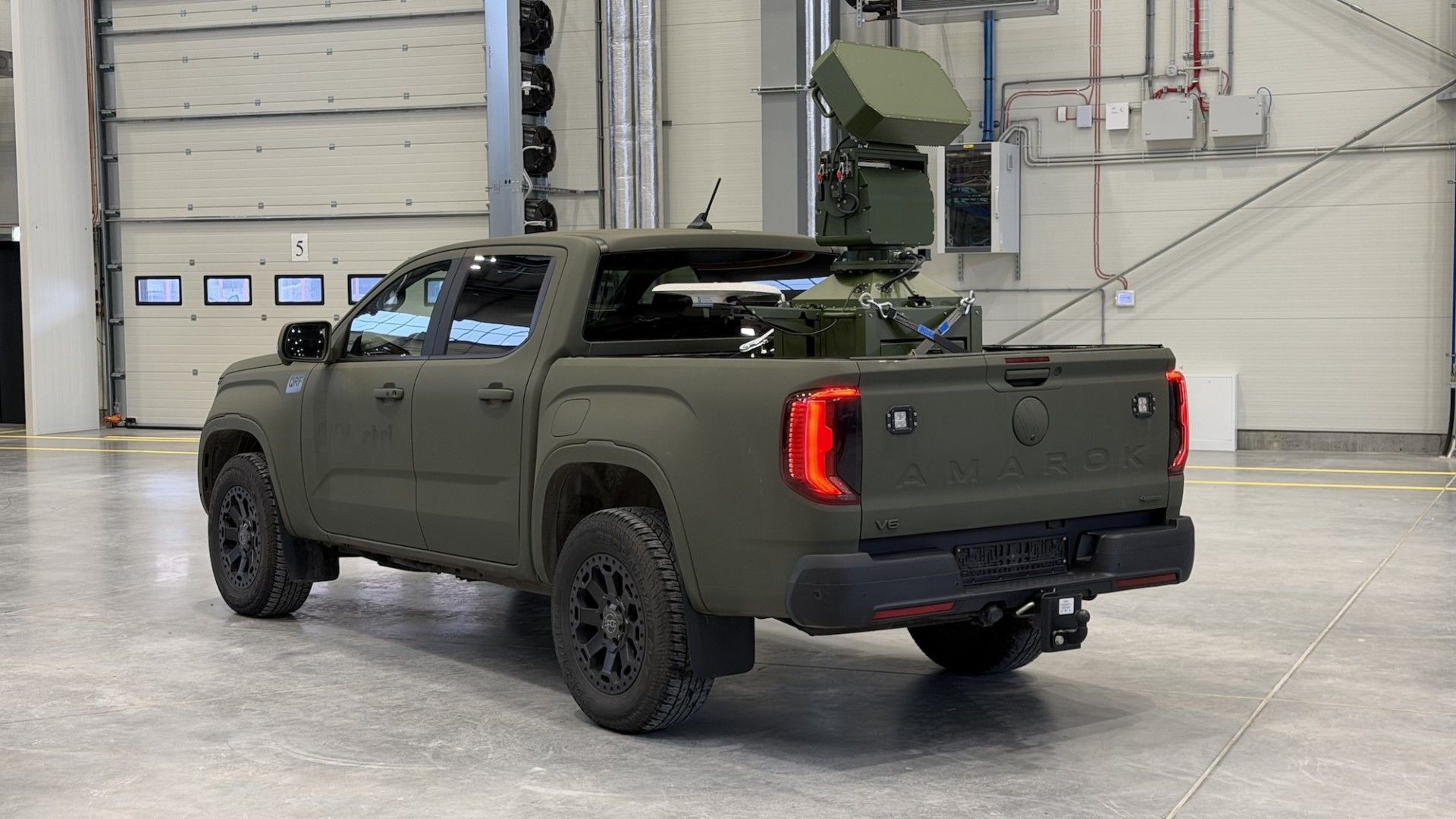
Photo. Tomasz Głowacki / Defence24.pl
And one was already signed. The San (name of the river in Poland) Counter-UAS system was signed on Friday 30 December. This is a comprehensive Counter-UAS system, which shall protect Eastern Poland from drone threats. The system will include Polish-designed C2 by APS company (known also in Ukraine and other European countries as well as the Middle East), Danish Weibel and Polish APS radars, Polish Gatling 12.7 mm (0.50) guns and 35 mm guns, as well as Norwegian turrets with 30 mm Bushmaster-US made guns and APKWS missiles. Drone interceptors and as many as 700 vehicles, including Jelcz trucks, are expected as well as other systems including EW and drone interceptors. And all this is to be delivered until January 2028, with Full Operational Capability around half 2028.
While Poland was analysing counter-UAS systems for a long time (which large NATO country wasn’t), the September 2025 massive drone incursion was a catalyst. So Poland decided for an urgent procurement, agreeing for mixing different existing components for a quick delivery. Yet, the architecture of the system is said to be open for spiral capability development (adding new subsystems as they become available). And all this is worth PLN 15 billion net (over 3.5 EUR billion), which makes it a quite substantial part of Polish SAFE request. While this is an urgent requirement regarded to security situation, „deliver on time or die” mentality is certainly seen here, as described in an earlier Defence24.com article. And as Head of the Armament Agency Maj. Gen. Artur Kuptel told Defence24.pl recently in an interview, other C-UAS systems will be procured in 2026 as well (though without specifying whether they would be financed on the basis of SAFE or regular budget).
So what are other elements of the Polish SAFE? Many will undoubtedly be related to the Eastern Shield. Just remember: this is not only engineering / counter mobility initiative, but also expansion of ISR, C-UAS and EW at the Eastern Border as well, with some officials stating San is also to be included in the Eastern Shield (though the system will be mobile).
While the entire list is still classified, official statements of the Polish government leaders give some hint. Already in 2025, it was confirmed that Poland will receive two MRTT aircraft with financing from SAFE. And those in all likehood will be Airbus A330 MRTT, as there is no other European solution that would compete in this area. Also, Deputy MoD Paweł Bejda has signaled in a reply to a parliamentary inquiry that Poland would offer its Rosomak-L vehicle for common procurement within SAFE, and the license agreement for production of the vehicle was signed to facilitate SAFE.
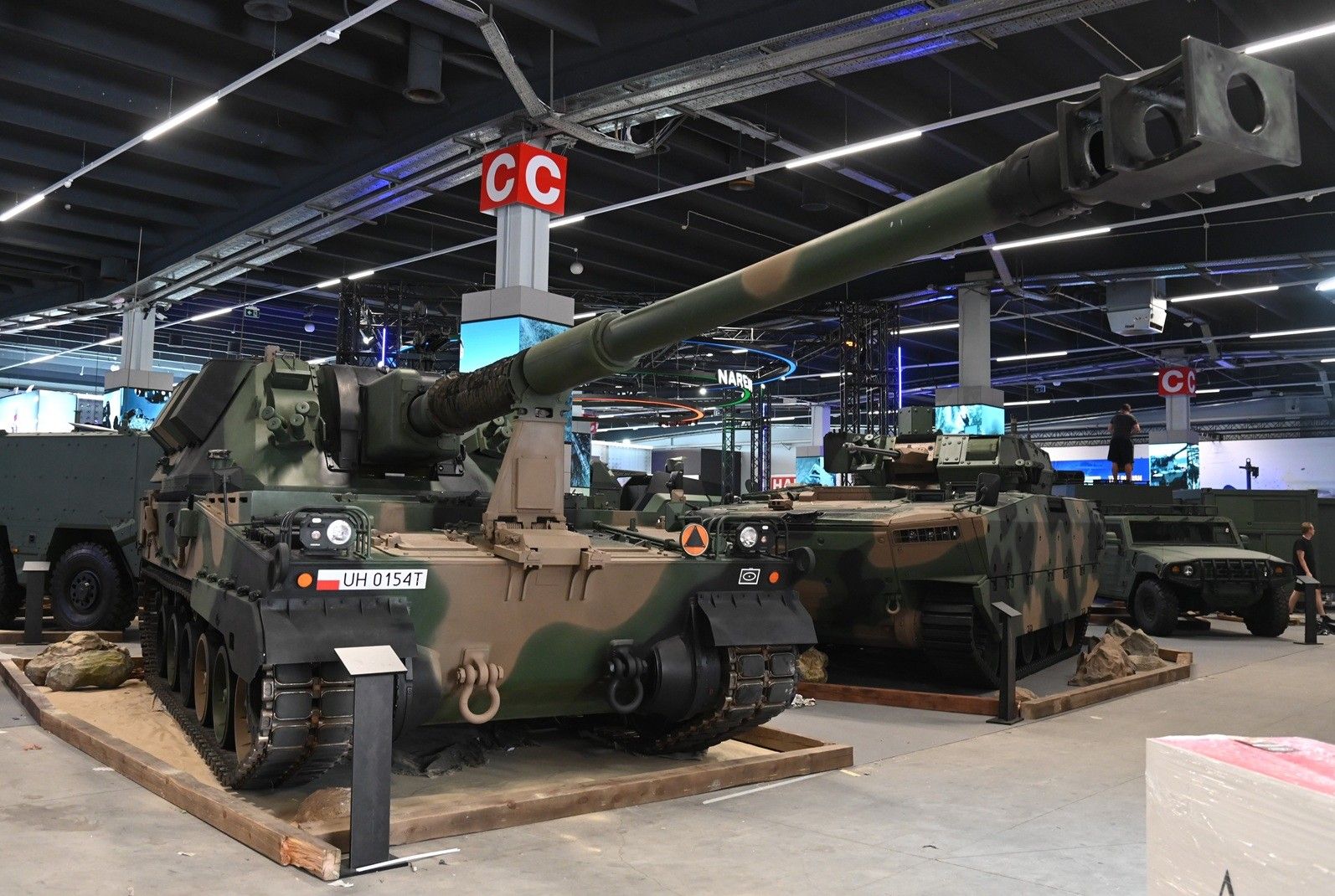
Photo. Maksymilian Dura/Defence24.pl
Earlier, MoD indicated the will to finance further batches of Krab howitzers from SAFE. And PM Donald Tusk confirmed in January that MRTT as well as Borsuk IFVs will be financed from SAFE. Except for MRTT those are Polish-produced systems (including produced on license) for all those vehicles (Krab, Rosomak-L, Borsuk) framework agreements and at least some spare industry capacity exists, so there is a big chance they will be financed from SAFE.

On the other hand, MRTT aircraft are a system commonly used in Europe, so here there is more chance for common procurement from the start (as opposed to „single-state open, for more countries”). Also, Polish-made Piorun MANPADS are used quite extensively in Europe. Those have been procured at least by Estonia, Latvia, Belgium, Sweden, Ukraine, Norway, with most of those countries have already taken deliveries. Other countries, including but not limited to Lithuania and Slovakia are planning or considering purchases of Piorun too.
In short, Poland is very likely to procure more of the equipment already used, especially if made by Polish industry or in cooperation between Polish industry and others. And given the emerging requirements (see case of San system where there was a consortium of PGZ, Norwegian Kongsberg, and private owned Polish APS acted as the major subcontractor delivering key radar and C2 systems) Poland will be open to industrial partnerships. Especially if coupled with investments in Poland (which was the case of Kongsberg before San was finalized). Yet quick delivery (due to SAFE requirements, but even more importantly – sense of Russian threat and related urgency) remains important, and over 80 per cent of the money has to be contracted to Polish companies (though they will need European subcontractors as well, which is certainly true e.g. in cases of Rosomak and Borsuk, with Scania and MTU engines respectively).
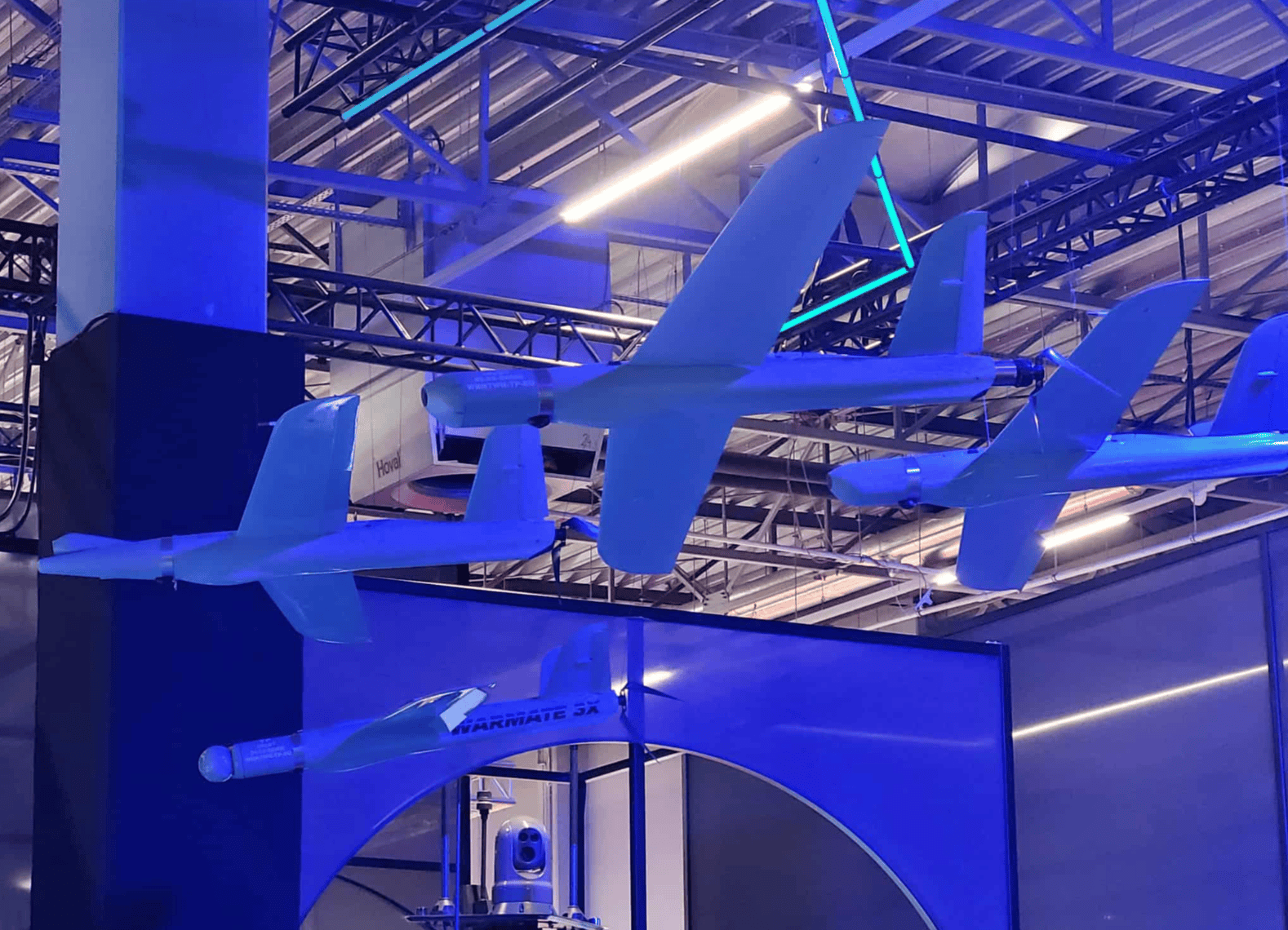
Photo. Maciej Szopa/Defence24
There will certainly be many areas in Polish SAFE besides those already mentioned, to include logistics or individual equipment and various drones, though specifically ISR and EW may gain importance (yet those are highly classified). An open question is also the cooperation with Ukraine, where Poland aims to procure drone and counter-UAS technologies (and perhaps other), for funds amounting to PLN 10 billion (EUR 2.3 billion).
While – for now – Polish SAFE plan is under cover, some trends, including urgency and industrial cooperation, can be highlighted. Time will tell how the Polish approach of prioritizing urgent needs will work, though on the other hand there are many voices in the defence and security domain saying that it is time that is quite scarce, which is the reason Poland may act this way.