












- WIADOMOŚCI
A groundbreaking decision in the American Congress. Will the US impose additional sanctions on Russia?

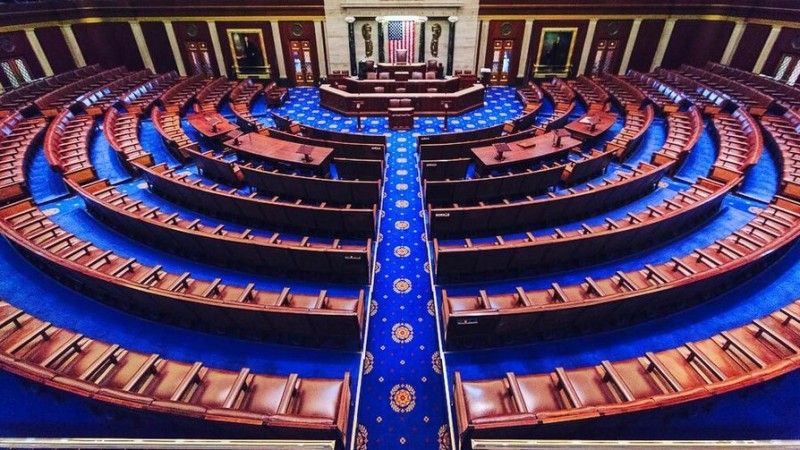
Until now, bills imposing sanctions on Russia had been blocked by the Speaker of the House of Representatives. A petition has now secured the signatures needed to force a vote on the Ukraine Support Act.
At the initiative of a group of lawmakers, the required 218 signatures were obtained on a so-called discharge petition. The document makes it possible to hold a vote on the Ukraine Support Act without the approval of House Speaker Mike Johnson. The vote is expected in June.
“We are pleased that the House will finally begin passing strong legislation supporting the Ukrainian people in their fight to defend their nation and its sovereignty,” the bill’s sponsors wrote in a statement: Democrats Gregory Meeks, Steny Hoyer, and Marcy Kaptur, along with Republicans Brian Fitzpatrick, Kevin Kiley, and Don Bacon. “The Ukraine Support Act can provide that assistance, while also imposing additional sanctions on Russia to hold it accountable for its brutal war,” they added. The lawmakers called on the Senate to take up the bill swiftly after it is passed by the House of Representatives.

What's included in the bill?
The bill provides for a comprehensive support package for Ukraine, covering diplomacy, military aid, and an expanded sanctions regime against Russia. Among other things, the sanctions would require the US president to impose additional restrictions on Russian financial institutions, all companies in the energy and extractive sectors, the Rosatom state corporation, individuals involved in the construction of the Crimean Bridge, individuals threatening the safety of the Zaporizhzhia nuclear power plant, and entities facilitating arms deliveries from North Korea. Russian banks targeted by the sanctions would be cut off from the SWIFT system, while tariffs on Russian goods would be raised to a minimum of 500 percent. The package also includes a 100 percent tax on income from the frozen sovereign assets of Russia and Belarus, as well as a ban on imports of any products from refineries processing Russian oil.
The military assistance package would extend the Lend-Lease mechanism through fiscal year 2028, authorise up to $8 billion in loans under the Foreign Military Financing program for equipment purchases by Ukraine and NATO allies, and extend the Ukraine Security Assistance Initiative through the end of 2027 with a budget of $300 million.
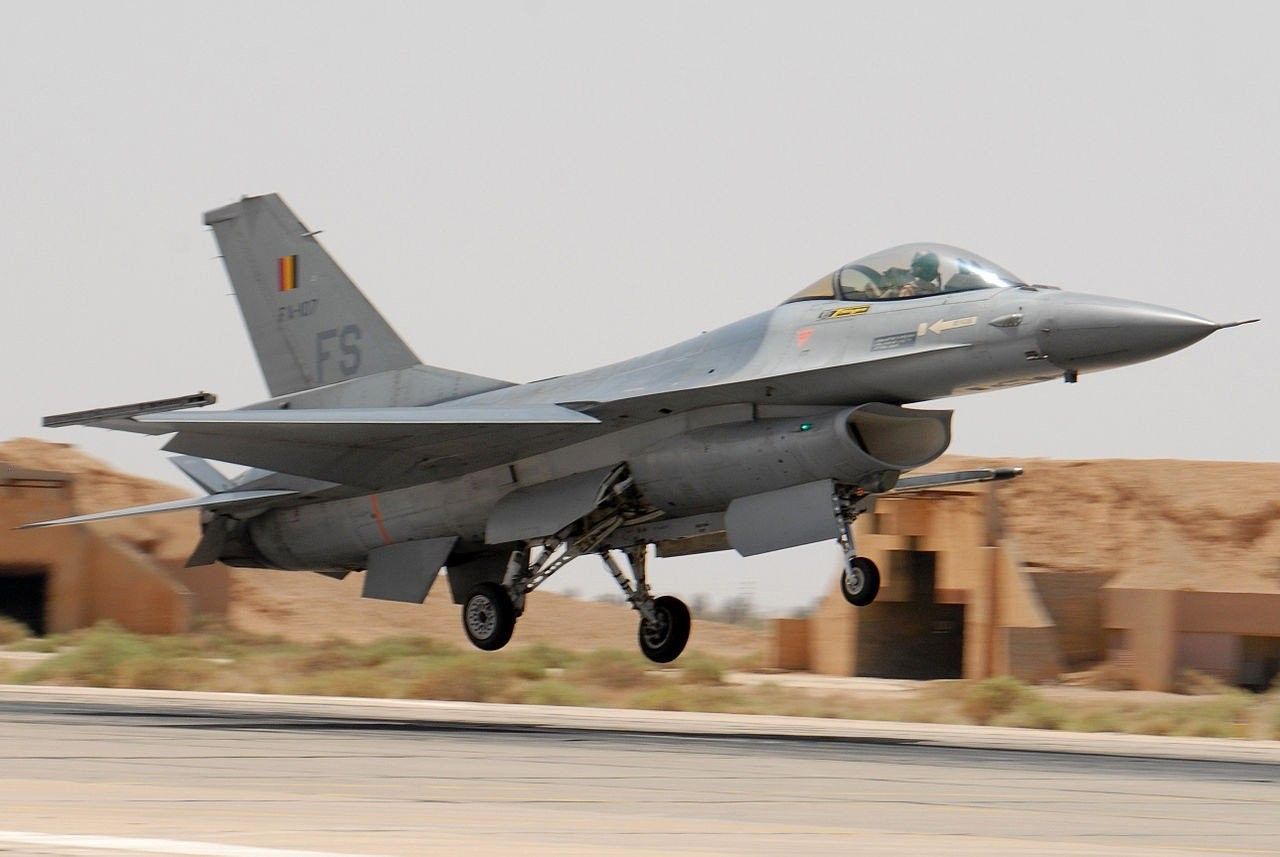
Diplomatic support would include, among other things, a congressional condemnation of Russian aggression and war crimes, including the abduction of Ukrainian children. It would also reaffirm US commitments to NATO. The bill calls for the creation of a Ukraine Reconstruction Trust Fund, allocates $250 million to Radio Free Europe/Radio Swoboda, and establishes the position of Special Coordinator for Ukraine Reconstruction at the State Department. It also provides for US-Europe nuclear cooperation with an annual budget of $30 million.
Having secured the number of signatures required to force a vote on the bill, its passage is now seen as highly likely. That does not, however, guarantee its approval by the Senate, where a different sanctions bill has been pending for more than a year. Despite support from more than 80 of the 100 senators, that bill has not been brought to a vote because of opposition from President Donald Trump. Democrats nevertheless remain optimistic. One activist working on the Ukraine Support Act considers the signing of the petition a breakthrough. “We do not know how all of this will play out, but it is certainly part of the pressure being exerted on the White House. And that pressure will only grow, including in the Senate.”


