- KOMENTARZ
- WIADOMOŚCI
After the trade deal, Donald Trump quickly unveiled new tariff proposals.

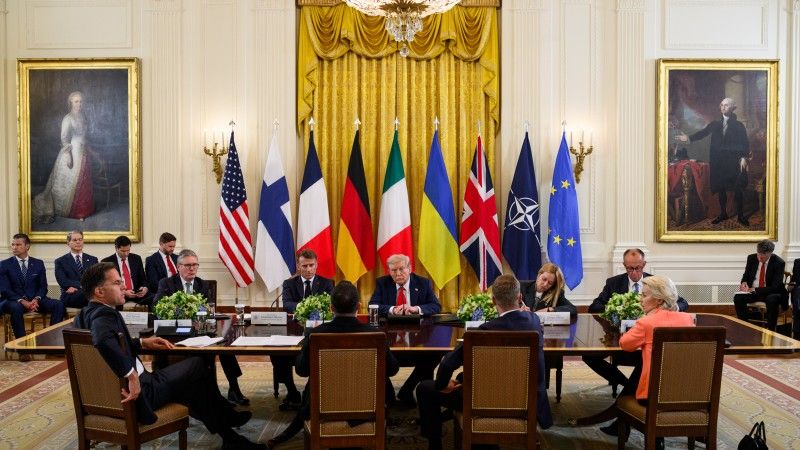
Photo. The White House, official X account
Shortly after the announcement of the EU-U.S. trade framework, Donald Trump proposed the imposing of the new tariffs on countries whose regulations disadvantage American technology companies. Even though Brussels was not explicitly mentioned the statement might be indirectly associated with European policy towards tech giants.
Trump against tech regulations
According to his post on Truth Social „Digital Taxes, Digital Services Legislation, and Digital Markets Regulations are all designed to harm, or discriminate against, American technology”. President emphasised that Chinese corporations benefit from such actions. Therefore, Donald Trump is considering tariffs and export restrictions on countries that unfairly treat US tech giants.
In this statement American head of state was referring to the two directives that are fundamental for EU digital policy. The first one – Digital Markets Acts (DMA) aims to ensure fair competition in the digital market and limit the dominance of so-called gatekeepers (the largest technology such Alphabet, Amazon, Apple, ByteDance, Meta, and Microsoft). This framework will help prevent monopolization and promote greater market openness.
The second one, Digital Services Acta (DSA) is designed to create safe, transparent, and responsible online space through greater user protection – by limiting illegal content (e.g., hate speech, terrorist content, sale of counterfeit goods) and increased transparency as platforms must disclose how their recommendation algorithms and advertising work. Consequently, it will be achievable to deter illegal and harmful activities and the spread of disinformation.
Brussels reacted
Even though this was only an announcement published on Truth Social, the representatives of the European Commission rapidly answered this proposal. As stated by Paula Pinho - chief spokesperson, Brussels has a ”sovereign right” to regulate the activities of tech giants within the bloc. This is also applicable for each member state, as demonstrated by measured undertaken by United Kingdom, France, Italy and Spain.
What is more, it was highlighted that EU digital regulations were not on the negotiations table as this is the matter of the Brussels regulatory autonomy. A spokesperson added that the last three DSA regulatory rulings were against not only U.S. companies, such as X and Meta, but also Chinese-owned including AliExpress, Temu and TikTok.
EU at the crossroads
Nevertheless, the announcement made by the president Trump shows how fragile might be the trade framework negotiated last month. For the time being these are only the words, but with the current Washington unpredictability, Europeans should be prepared for the worst scenarios. Brussels already made significant concessions that should not be proud of. The European Union has reached a crossroads in its integration model and remains uncertain about the direction it should take. While the EU as a whole possesses significant economic potential, it now faces the challenge of determining how best to realise it.
Author: Amelia Wojciechowska