- WIADOMOŚCI
Canada builds NATO’s Latvia hub

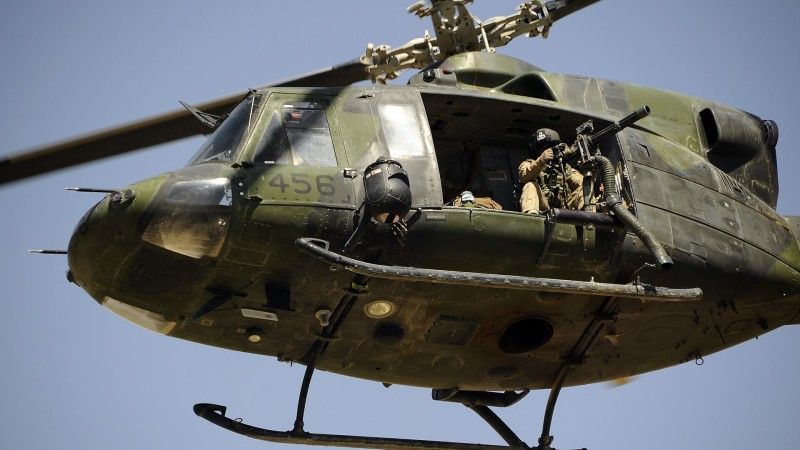
Canada is putting real money into NATO’s eastern flank. Another €64 million for military infrastructure in Latvia shows that Ottawa is not only sending soldiers, but building the conditions for a long-term allied presence in the Baltic region.
Canada will finance two major infrastructure projects in Latvia, at Lielvārde and Rīga, worth around €64 million. This includes €33 million for helicopter and airfield infrastructure at Lielvārde airbase, with hangars, maintenance facilities and offices for the Canadian Tactical Air Unit. Another €30 million will go towards new barracks for Canadian personnel, while additional accommodation is also being developed in Rīga.
This matters because Canada is the framework nation of NATO’s Multinational Brigade in Latvia. Ottawa has already invested or committed more than €315 million in Latvian military infrastructure, including Ādaži, Ceri and Lielvārde. This is not symbolic presence. This is the slow construction of a permanent allied ecosystem: bases, airfields, barracks, logistics and command structures.
The Lielvārde project is especially important. The new infrastructure will allow simultaneous support for up to six CH-146 Griffon helicopters, four CH-147 Chinook helicopters and even the CC-177 Globemaster transport aircraft. That means Latvia is not only preparing to host troops, but also to receive, sustain and move forces during a crisis. In the Baltic region, this kind of infrastructure is as important as the number of soldiers on paper.

At the same time, Latvia and Canada are expanding cooperation beyond classic defence. During Anita Anand’s visit to Rīga, both sides underlined cooperation in cybersecurity, critical infrastructure resilience, new technologies and defence industry. This is the right direction, because the Baltic region is exposed not only to conventional pressure from Russia, but also to cyberattacks, sabotage and hybrid operations.
Ukraine remains central to this partnership. Latvia and Canada both support long-term assistance to Kyiv and pressure on Russia. Canada has already provided more than CAD 25.5 billion in support to Ukraine and imposed sanctions on more than 3,400 individuals and organisations, as well as more than 600 vessels linked to Russia’s shadow fleet. For Latvia, this is important because Ukraine’s security and Baltic security are part of the same Russian threat environment.
There is also an economic dimension. Trade between Latvia and Canada grew by 18% in 2025, while EU–Canada trade continues to benefit from CETA. Both sides are discussing high technology, data centres, 5G, drones, energy and other innovative solutions. This shows that defence cooperation is becoming part of a broader political and economic relationship.

Canada’s presence in Latvia is therefore one of the clearest examples of how NATO deterrence is being built in practice. Not through one declaration, but through infrastructure, soldiers, aviation support, sanctions, Ukraine policy, cyber cooperation and industrial links. For Latvia, this is about security. For Canada, it is about proving that transatlantic responsibility does not end in rhetoric. Moreover, Cana found out that could really earn on deteriorating American presence; both politically and militarily.