












- WIADOMOŚCI
China is heading back in business - what will be NATO’s response?

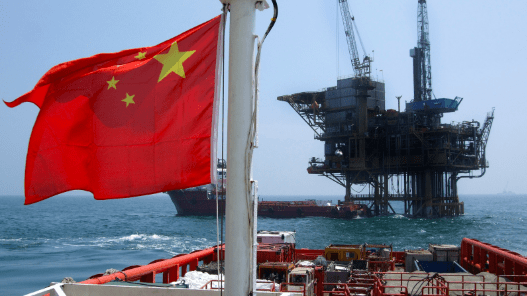
The U.S stance on China can be tested within NATO. If the president is serious about getting China out of business when it comes to global dominance, the U.S ought to make use of its allies for this common purpose.
18 months ago the NATO summit in Washington July 2024 concluded that China was a”decisive enabler” of Russia’s war in Ukraine. A statement which in 2026 few reasonable democratic nations would question.
In fact, one of the clearest impressions from that specific summit was the revised description of China, which during the years up until then went from being a potential security threat to being described as an actor that, together with Russia, is undermining and seeking to reshape the current rules-based international order through attacks in the cyber, hybrid and infrastructural domain.
„The deepening strategic partnership between Russia and the PRC and their mutually reinforcing attempts to undercut and reshape the rules-based international order, are a cause for profound concern” read the summit declaration in July 2024.

EU has been derisking China
During that same time period, China sent soldiers to Belarus to participate in a joint military exercise on the borders of Poland, thus the borders of both the EU and NATO.
From a Swedish perspective, a new national security strategy took form that same year, one where China was cast as a clear counterpoint to the US and like-minded countries. Among the goals that the government listed for 2030 was to prioritize and manage the security threats jointly with other democracies, and China was listed as one of the authoritarian states to prioritize safeguarding from.
Political clarity with regards to China has during recent years, in relation to the war in Ukraine as well as activities within the growing hybrid domain, steadily been developing within Sweden as well as in the EU.
However, if the EU’s opportunities for a powerful, collective response to China up until now primarily have been curbed by various industrial dependencies and technological norms, as well as individual states within Europe, such as Hungary who actively has been engaging in growing its relation to China, the emerging situation is now entirely different and severely difficult.
Dealing with China within NATO is a given
The current US administration, itself promising tougher stances on China, is now opening up a new world (dis)order where allies are not necessarily treated as friends and the American outlook on national security points to an ambition to disintegrate Europe. This is having consequences on how other nations view and handle each other, including China.
As was much awaited, what happens when a superpower as the U.S turns its constructive engagement away from the world, is that it of course risks being replaced by others. China is doing an ambitious job presenting itself as a less aggressive, more approachable and more stable partner. A recent example of this being that Canada just recently signed a new strategic partnership on a range of issues including cutting taxes on electrical vehicles as well as striving to develop broader ties in terms of cultural exchange and partnerships.
The new start between Canada and China, prompts reactions and suggestions of an opening up for other countries derisking measurements to be pulled back. Surely, what we will see in the coming weeks and months will be China demonstrating less of „jungle logic” in contrast to what the Trump administration has sparked.
China is thus definitely getting back into business - with consequences also for NATO. Will NATO allies be able to follow up on the still somewhat fresh consensus on China, making the security threat argument 18 months ago credible?

U.S stance on China put to the test
If the U.S is serious on combating Chinese influence and following through on its strategic leverage it needs to start making choices that make sense for the alliance as a whole and not for America first. In fact, it could even be the U.S most important contribution for the future. The potential is there. And it lies within the reach of the Alliance. The time has therefore come to assess how serious president Trump in fact is on pressing back China.
At the moment it looks like China instead could end up with the upper hand, and surely this is not what is in the best interest of the U.S, the Alliance and the free world at large.


