












- WIADOMOŚCI
Germany no longer trusts Russia?

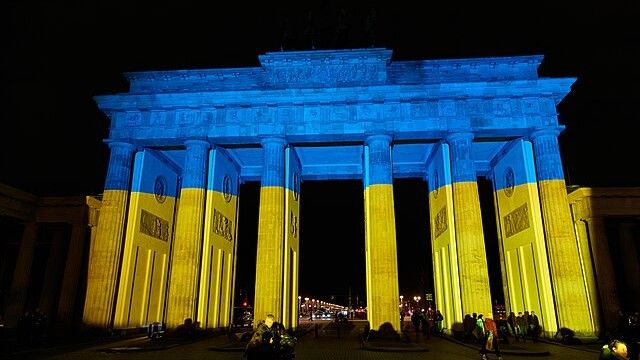
Germany used to be a very important partner of Russia within the European Union. Since Russia’s invasion of Ukraine in February 2022, that situation has completely changed.
On February 27, 2022, just a few days after the Russian invasion began, Olaf Scholz addressed an extraordinary session of the Bundestag. He spoke of an “epochal turning point,” announcing a “great national effort” to prepare Germany for the threat posed by Russia.
The German newspaper Sueddeutsche Zeitung (SZ) argues that since 2022, polarization in Germany has increased—similar to what has happened in many other Western countries. SZ notes this trend by observing the growing support for extremist parties, such as the right-wing Alternative for Germany (AfD), which in 2025 doubled its result and became the second-largest force in parliament.
SZ cites statistics from the German Eastern Business Committee, showing that trade with Russia has collapsed. In 2022, imports from Russia amounted to €36.4 billion, while exports to Russia totaled €14.5 billion. By 2024, these figures had fallen to €7.6 billion in exports and €1.8 billion in imports. Thus, in 2024 Russia received more than twenty times less money from imports than in 2022. At the same time, German aid to Ukraine since 2022 has amounted to around €90 billion.
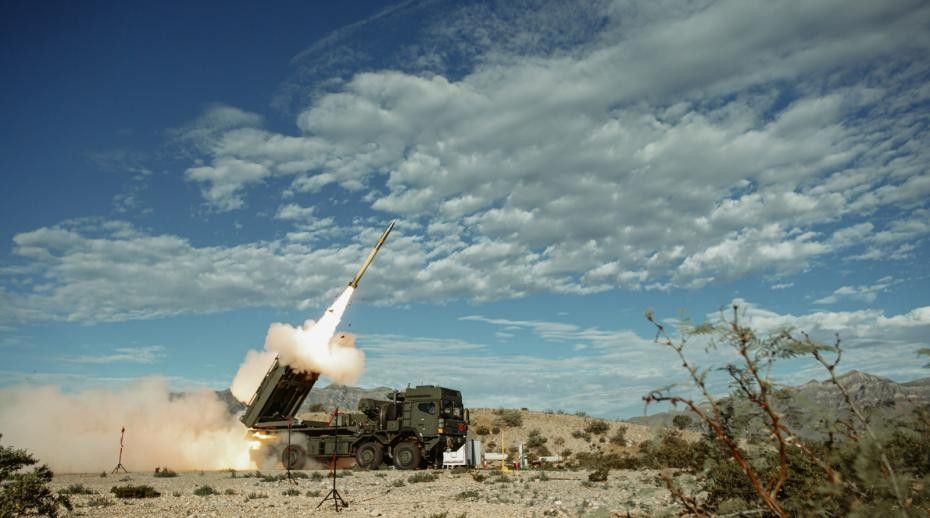
“In 2022, a special €100 billion fund was launched to modernize the armed forces. In 2024, Germany reached NATO’s goal of spending 2 percent of GDP on defense. In 2025, the debt brake was reformed for defense expenditures. Chancellor Friedrich Merz announced that the Bundeswehr is to become the strongest conventional army in Europe,” reports SZ. The Bundeswehr’s goal is to increase its personnel to 260,000 soldiers. The soldiers themselves are now more often met with public recognition and gratitude—something that was not previously taken for granted.
One of the most significant changes occurred in energy policy. In 2022, about 55 percent of Germany’s gas was supplied from Russia, primarily through Nord Stream 1. By 2025, Russian gas had almost disappeared from Germany. The main supplier is now Norway, followed by LNG imported from the United States. Gas prices have declined and are currently more stable than in 2022, according to SZ.
In the early days of the war, the situation regarding European countries’ relations with Russia was ambiguous, as many maintained close trade ties, particularly in the energy sector. Today, the number of European states maintaining close cooperation with Russia can be counted on one hand. Pressure on countries such as Germany proved effective, and as it turned out, cutting off Russian gas ultimately benefited the country. Similar pressure should be applied to nations such as Slovakia and Hungary, while simultaneously offering proven and economically viable alternatives to cooperation with Russia.
See also 


