- WIADOMOŚCI
- WAŻNE
Greece, Hungary, and Slovakia are blocking sanctions against Russia

Disagreement over the 20th sanctions package against Russia. Greece joins the ranks of existing opponents.
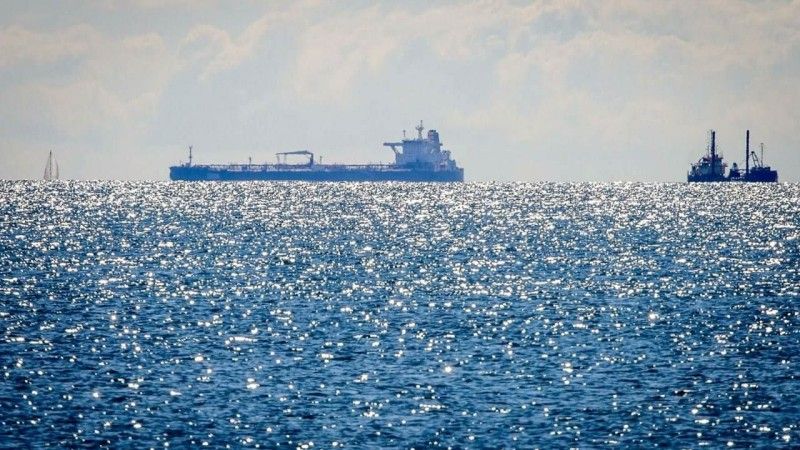
The new sanctions package was planned to be imposed on Russia on the fourth anniversary of its aggression against Ukraine (which would be February 24). As that date approaches, work on the package has accelerated. One of the key points of the package would introduce a total ban on the maritime transport of Russian oil. Until now, such transport has been permitted if the oil was sold below a set price cap.
For Greece, Hungary, and Slovakia, the issue lies not only in the method of transporting Russian resources but also in the proposal to impose sanctions on other countries that help Russia circumvent existing restrictions. Such countries include Georgia and Kyrgyzstan. The opposition of these European states is not new. It is assumed that they will withdraw their veto once several items concerning individual sanctions are removed. A draft of the new agreement is currently being prepared and will be discussed by the ambassadors of EU member states at a meeting on Friday.

An important question remains whether the European Union will introduce the sanctions package independently. It has been suggested that the sanctions agreement should be broader, for example, involving the G7 countries. In that case, the United States, the United Kingdom, Canada, and Japan would join the EU member states. Given the current US policy, unanimity between the EU and G7 on sanctions is far from certain. EU Commissioner for the Economy Valdis Dombrovskis stated that “we will not hesitate to take action at the EU level if a broader agreement cannot be reached.”
Among the EU countries currently opposing the proposed package, there is uncertainty about whether the EU alone would be able to enforce the sanctions. Greece argues that without the G7, the ban would be meaningless, as Chinese and Indian companies would take over the business from Greek shipowners, thereby undermining the effectiveness of the sanctions. The important role of the United Kingdom is also being emphasized — a major player in the insurance sector, which is currently not participating in the development of the package.
As part of the 20th sanctions package, restrictions on exports of goods to Russia have also been proposed, along with a ban on importing certain metals, chemicals, and critical minerals. Further measures are planned against the so-called Russian “shadow fleet,” which skillfully evades sanctions on Russian fossil fuels. For the sanctions package to take effect, the consent of all EU member states is required.