












- KOMENTARZ
- WIADOMOŚCI
NATO’s Eastern Flank: The point of no return

The Eastern Flank of NATO has become today’s main line of geopolitical tension. No longer a periphery, it is now the heart of strategic rivalry. From the Black Sea, through the Baltic, up to the Arctic, runs a line that once served as a safety valve during the Cold War. Crossing it meant courting disaster. Today, that line has been crossed – and there is no way back.
For decades there was an unspoken understanding: NATO would not extend beyond a certain zone, and Russia would preserve its buffer space. That line – from the port of Constanța on the Black Sea, through the Suwałki Gap, up to the Arctic – acted as a fuse for the system. Today, it no longer exists. NATO has expanded its presence, Russia has responded with aggression, and Eastern Europe has become the epicenter. This is no longer about deterrence alone; it is about the full strategic shift eastward. Every troop movement, every convoy crossing that line is now a signal of irreversibility. We are living a historic moment: the world has entered a phase where political and strategic mistakes may become irreversible. Once the line is crossed, there is no way back.
Poland between gas and geopolitics
Poland has become fully dependent on American LNG supplies. The Świnoujście terminal and long-term contracts with the US build a sense of security, but they also carry risks. The main competition for Gdańsk in the future will not be Russia, but… allies. Rovigo and Ravenna in Italy are developing as key LNG hubs for Europe. Turkey is building its own transit role. With the opening of the Arctic route, Poland could find itself paying higher prices while others benefit from cheaper, more flexible flows. It is a paradox: in seeking independence from Russian gas, Poland may face a new dependence – on price structures and logistical routes set by its own allies. Energy becomes not only a field of rivalry with adversaries, but also of competition within the West.
The Eastern Defence Mission – Prestige or Burden?
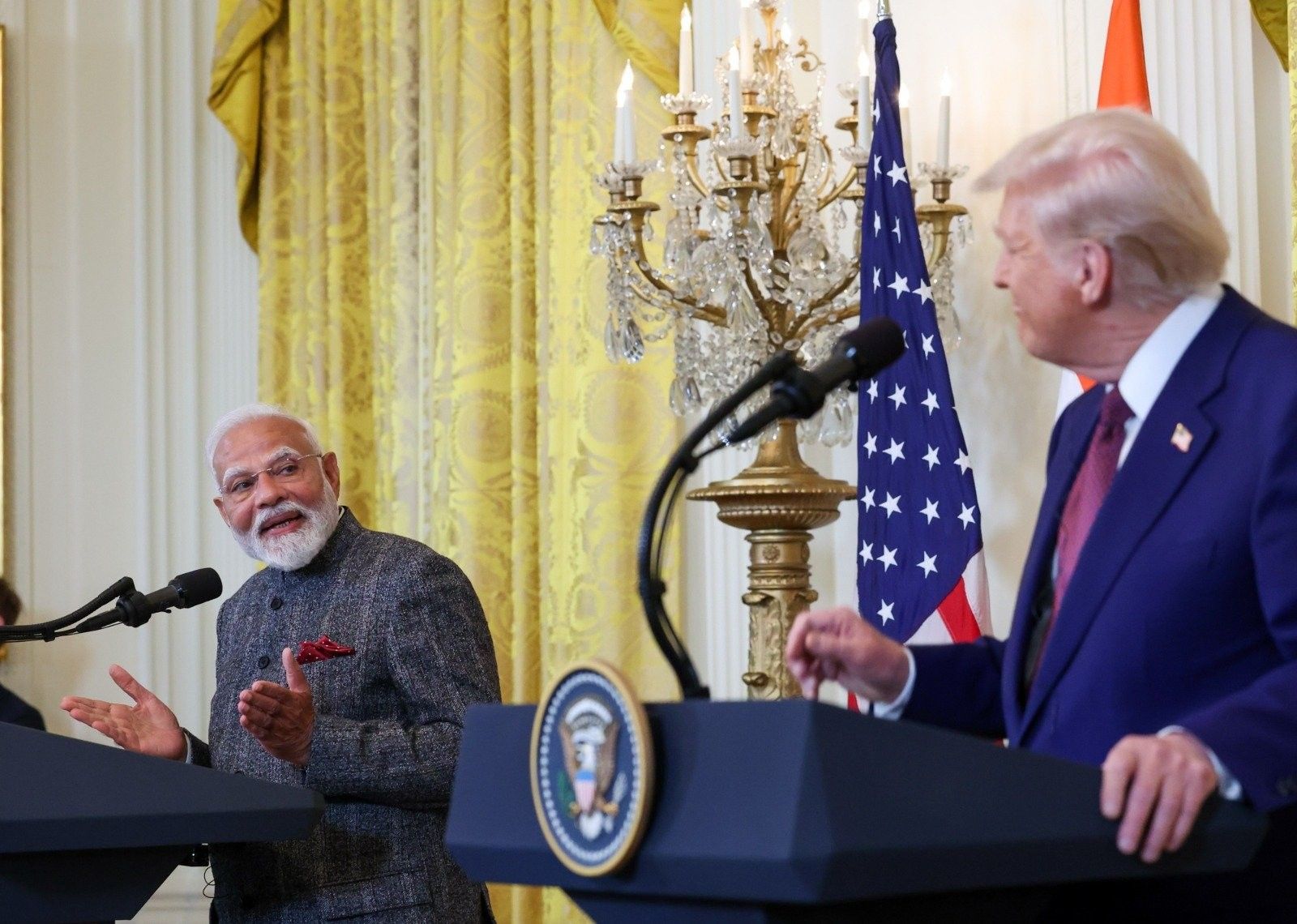
The United States has entrusted Poland with a special role: leader of the Eastern Flank’s defence. It is a task that carries prestige but also enormous risk. Poland has been given a mandate to lead, but that mandate is politically fragile. Current relations with Washington are framed by Trump’s administration. Yet American politics is volatile: those rewarded today may be handed the bill tomorrow. It is a thin line: Poland gains prominence, but any shift in Washington could turn advantage into burden. The mission of „Eastern Flank leader” may prove overwhelming if not managed with political skill and long-term foresight.
Conclusion
The Eastern Flank of NATO is no longer a margin – it is the epicenter of the geopolitical game. The boundary line that for years provided a false sense of stability has been crossed. Poland now stands at the center: dependent on American LNG, exposed to competition from its allies, and politically burdened with a mission that could prove too heavy. This is not a future scenario – it is reality. And that is why the margin for error is minimal. History will play out here, on NATO’s Eastern Flank. And the road back no longer exists.
Author: Ireneusz Sebastian Nowinski – Metodo Epsilon – Generazione Ponte Tutti i diritti riservati.


