












- WIADOMOŚCI
Prime Minister of Estonia: Europe must speed up rearmament

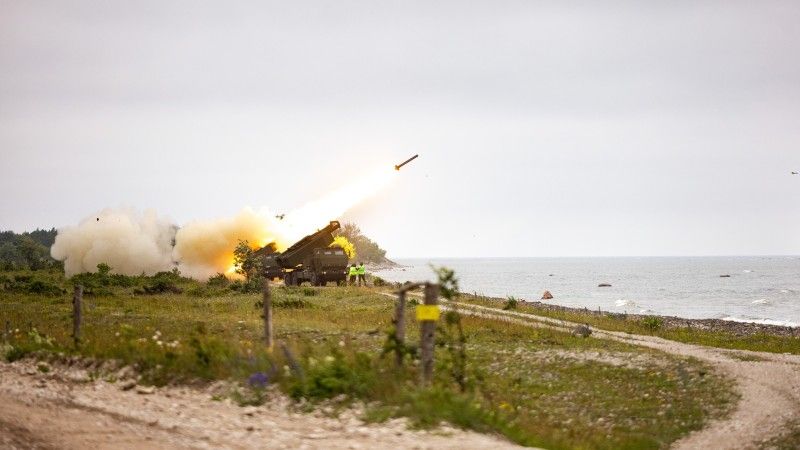
Photo. Sõdurileht/Facebook
Estonia’s Prime Minister Kristen Michal told „The Times” about his vision for Europe’s security and what countries on the Continent should do to more effectively resist Russian imperialism. The politician also addressed the issue of Poland and the violation of its airspace by Russia.
The politician, who in the summer of 2024 replaced Kaja Kallas as Estonia’s prime minister after she became head of EU diplomacy, spoke to Britain’s “The Times”. According to Kristen Michal, Europe is currently only at the beginning of the road to rebuilding its defence. In his view, European NATO countries must continue to pursue the restructuring and strengthening of their armed forces and must be prepared for further Russian sabotage attempts. “Russia is a threat to all rational states,” he said.
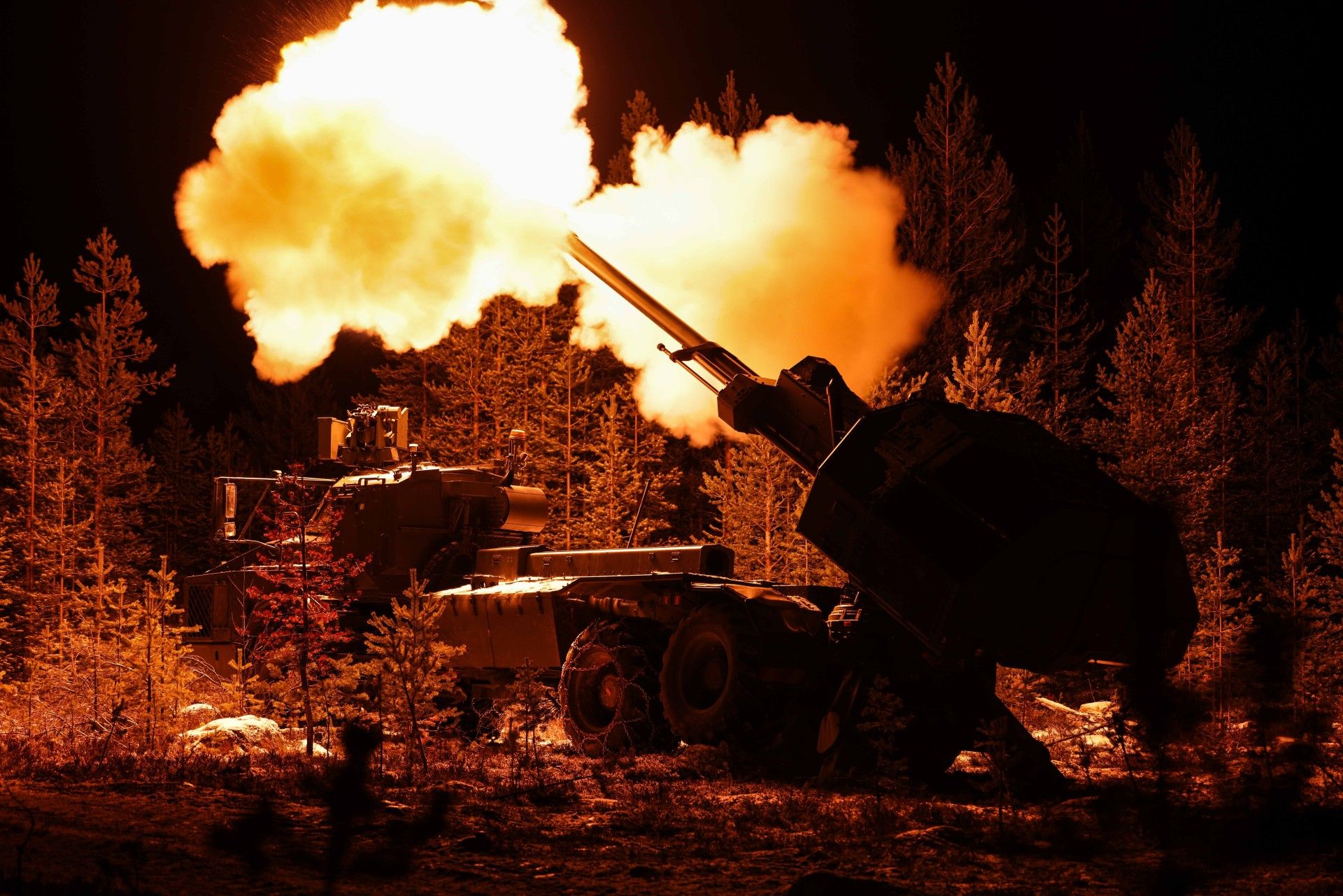
The Estonian prime minister also said that speeding up Europe’s rearmament could happen if member states decided to combine forces when buying weaponry. One advantage of such an approach would be a significant lowering of procurement costs. “We stand in the same queues. If we had joint orders, it would help us a lot. Maybe, for example, we buy ten weapon systems and Poland buys a hundred. Everything would then become cheaper and much more readily available,” the politician said.
The Polish angle came up again in the interview. It referred, of course, to last week’s unprecedented crossing of Polish airspace by Russian drones. Michal said this was NATO’s first “test in the airspace.” He assessed the alliance’s response positively, praising the cooperation of several allied militaries (in addition to Polish F-16s active on the night of September 9–10, Dutch F-35As, an Italian G-550 CAEW reconnaissance aircraft, and German Patriot batteries were involved). The Estonian prime minister also spoke favourably about the recently ordered operation to reinforce NATO’s eastern flank — Eastern Sentry.
Kristen Michal also shared an idea for a painful blow against Russia. The Estonian prime minister advocates seizing around €200 billion in frozen Russian assets. According to him, the money could serve as an additional source of support for Ukraine. In the context of Russian assets, it is worth recalling that Western countries have frozen nearly half of Moscow’s foreign-exchange reserves (about €200 billion of which are in the EU). The United States has also acted on Russian assets: last year Congress passed the REPO Act, which enables the confiscation of frozen Russian property.


