- ANALIZA
- WIADOMOŚCI
Tariffs instead of an embargo – a new phase of the EU’s energy policy toward Russia

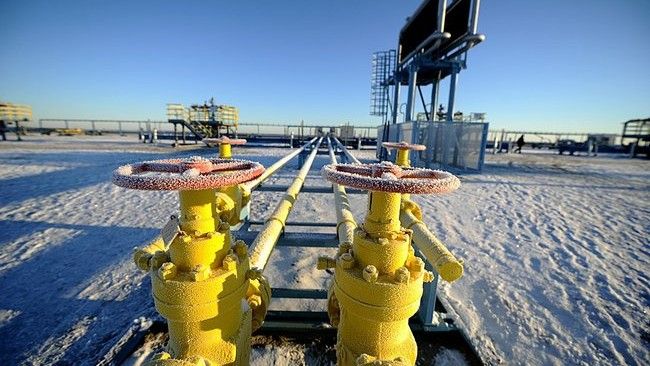
The European Commission is poised to impose tariffs on Russian oil — a decisive shift from unanimity-bound sanctions to qualified-majority trade measures — targeting Druzhba pipeline deliveries to Hungary and Slovakia and marking a major step in the EU’s strategic decoupling from Russian energy.
The European Union is currently facing a key shift in the architecture of its tools for restricting imports of Russian energy resources. Two and a half years after implementing the first sectoral embargoes, the European Commission has announced plans to introduce tariffs on oil originating from Russia. These are not sanctions requiring unanimous approval of member states, but rather an instrument of EU trade policy, which can be adopted by qualified majority vote. This procedural difference means that opposition from a single country, such as Hungary, will not be enough to block the entire process. The tariffs are set to apply primarily to pipeline deliveries via the „Druzhba” [Friendship] pipeline to Hungary and Slovakia, which remain the last recipients of Russian oil within the EU. At the same time, Brussels is accelerating its strategy to move away from Russian gas, arguing that market conditions, including the growing role of LNG and supply diversification, make it possible to speed up the process without risking supply disruptions.
From an economic perspective, shifting from embargoes and price caps to tariffs is highly significant. Embargoes are rigid and easy to circumvent through re-exports or mixing oil grades, while price caps lose effectiveness when prices fluctuate heavily. Tariffs, by contrast, function as an added financial burden that increases import costs, reduces the competitiveness of Russian crude, and limits Russia’s revenues, while also being easier to adopt politically thanks to a simpler voting procedure. In practice, the adjustment costs will fall mainly on Hungary and Slovakia, which will have to adapt their refineries and logistics systems more quickly to handle oil from alternative sources. For other EU states, the tariff primarily levels the playing field, particularly in relation to Poland and other regional countries that had already ceased imports from Russia.
Such decisions fit within the logic of the struggle over blocking minorities and the so-called „emergency brake.” To block the tariffs, opponents would need at least four member states representing 35% of the EU’s population; a politically unlikely scenario. The brake mechanism, used in trade policy debates during negotiations of agreements such as Mercosur, is also relevant in the energy context as a tool for preventing excessive social costs or sudden market disruptions. In practice, this means that alongside tougher measures against Russia, compensatory mechanisms or temporary exemptions may also be introduced.

The market reaction was almost immediate. The mere announcement of new restrictions pushed oil prices upward, driven by expectation effects, increased risk premiums, and fears of transport disruptions. Trade data show that in the past year the value of oil imports to the EU fell by more than 12%, even though volumes remained practically unchanged. This reflects lower unit prices and shifts in supply sources. At the same time, the value of gas imports increased, despite lower pipeline deliveries. The divergence is explained by higher contract prices and the dynamic growth of LNG imports, especially from the United States and Norway. These developments confirm the European Commission’s argument that the EU energy market is already significantly diversified, enabling further tightening of policy toward Russia.
For Poland and other Central and Eastern European states, the introduction of tariffs on the remaining volumes of Russian oil means equalized competition conditions. Countries that had already phased out Russian imports and turned to alternative suppliers gain an advantage over those that had continued to benefit from exemptions. Nevertheless, for the EU as a whole, effective enforcement of the new rules, limiting attempts to circumvent restrictions, and establishing support mechanisms for the most exposed economies will be crucial. In this context, EU energy policy is entering a new phase—moving from ad hoc crisis responses to more complex trade-fiscal instruments designed with long-term stability in mind. The introduction of tariffs not only closes the last gap in the sanctions regime, but also signals a new direction in which the Union integrates energy security with trade and fiscal policy, reduces inequalities among member states, and strengthens the process of geopolitical disentanglement from the Russian Federation.