












- WIADOMOŚCI
Deliver on time or die. New reality of the Polish and European defence industries

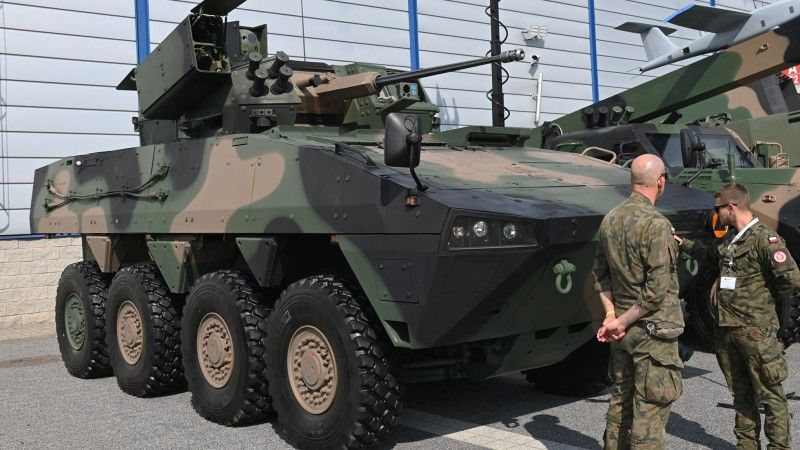
The 150 EUR billion worth SAFE (Security Action for Europe) project is a chance for a huge boost of European defence capabilities – and industry revenues. It comes with one caveat: you must deliver on time.
„Fight for her freedom or die” was the motto of Polish „Silent-Unseen” Paratroopers of the Home Army, that were dropped into occupied Poland from Britain during WW2 to support the resistance of the Home Army against the Nazi German occupation. Today, as Ukraine is fighting against Russian aggression, and European Union territory is increasingly threatened by further Russian aggression, the realities are different due to cooperation of NATO and EU, including former WW2 adversaries.
Paradoxically, there is one area, where the motto of „Silent-Unseen”, could be rephrased and adopted, and this is the defence industry. European, including Polish (as well as North American/US for that matter) industry is accustomed for long term contracts for limited amounts of equipment, which translates into long delivery schedules. This is as much a result of „desire for profit” as much as earlier reductions in the Armed Forces of NATO/EU countries, translating into less requirements for weapons (until recently) which naturally supported this form of business operation. And a large-scale consolidation of European (and American) industries, which was result of the reductions.
Moving forward to 2025, when SAFE regulation was adopted, and to 2026, where we are now, there is an increased war threat in Europe, while some processes, such as capacity increase investment, still operate under peacetime rules, which are slow in general. However, the SAFE regulation itself, providing 150 EUR billion in loan funding, of which Poland may be the largest benefitiary, sets a firm deadline: the equipment must be delivered until 2030. This is in line with the White Paper „Readiness 2030”, as well as with the way SAFE was adopted (on the basis of Article 122 Treaty on the Functioning of the European Union (TFEU) which speaks of „expectional occurences” as a basis of providing financial aid to Member States.
In other words, this is an emergency instrument responding to an emergency situation, so there is a need to hurry. Of course there are discussions with EC on lengthening deadlines, but as things stand now, 2030 is the latest date where SAFE-funded defence equipment can be delivered, and this was confirmed by multiple Polish and European officials.
This has significant implications. Considering the lead times for defence equipment (and for capacity increase investments), meeting this deadline can be a challenge. For instance, as the Maj. Gen. (pil.) Ireneusz Nowak, Deputy General Commander of the Polish Armed Forces stated in an interview with Defence24.pl, Poland included two of the four required A330 MRTT multi role transport-tanker aircraft in its request for SAFE financing, as two of those can be delivered until 2030. Two further can be purchased by budget financing after 2030, but for now they are planned to be a contractual option, as opposed to the planned firm order for the SAFE-funded platforms.
See also 
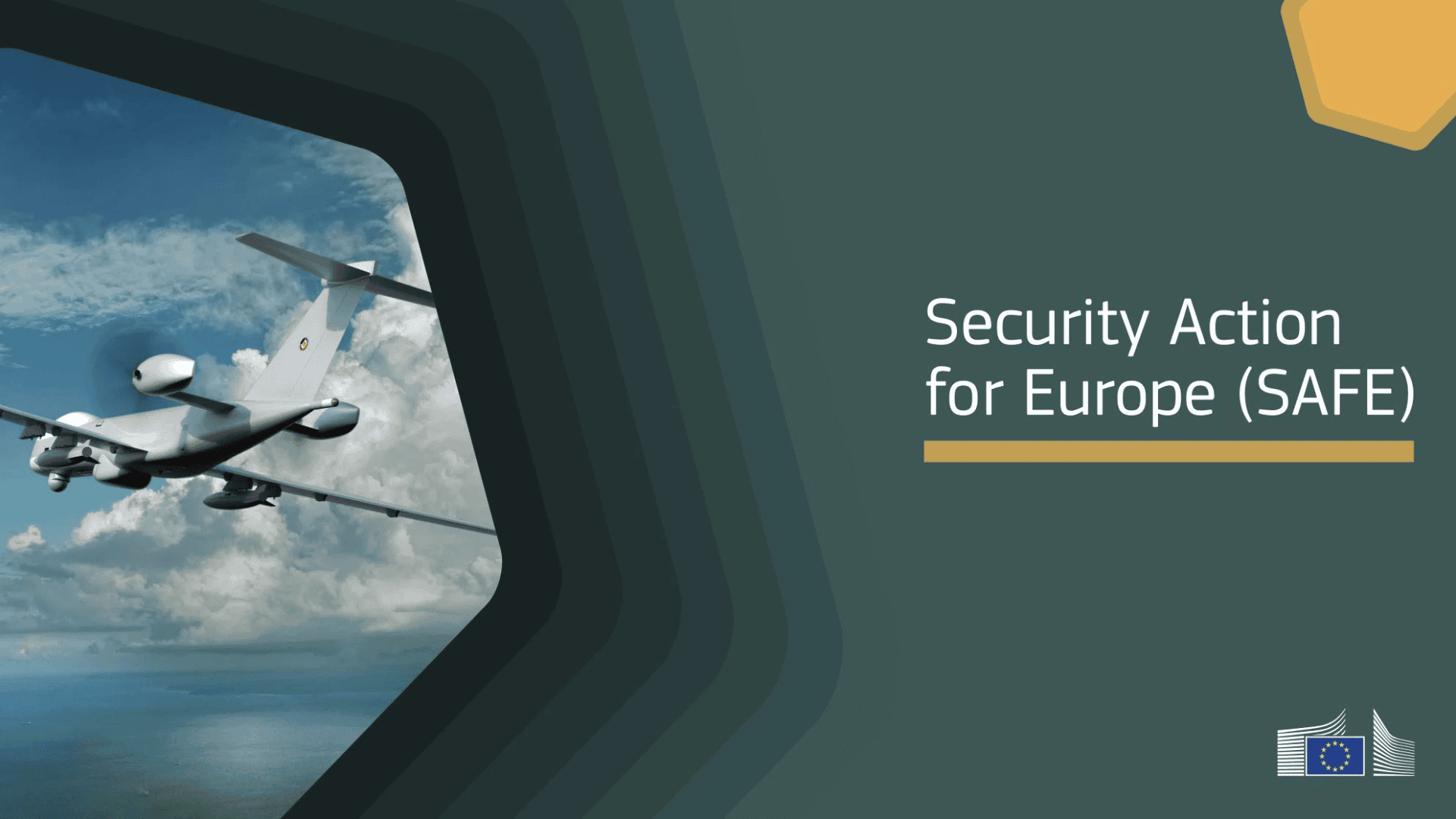
Also, defence contractors are scrambling to reinforce the supply chains, precisely to meet SAFE deadlines. If we look at the recently license agreement for AMV armored vehicle between Finnish Patria and Polish PGZ which produces Rosomak vehicles on the basis of AMV, the document – according to official releases – includes mechanism to reinforce the supply of spare parts (which had been an Achilles feet of the project in the past). It also strictly states Poland can sell those vehicles within SAFE. And a similar requirement – a need for strong supply chain and manufacturing base – would apply to Polish-led projects such as Borsuk IFV. It is also important for partners of the Polish industry. And they often European players, such as German MTU which supplies the engines for Borsuk, and in really numerous cases for other types of equipment (electronics, logistics, engineering etc.). It would be good for the defence contractors to maximise capacity investments now, even if it requires some risk, as at least defence prime contractors have (generally) a reasonably good financial standing, though regulatory hurdles remain.
Of course, 2030 is (hopefully) not the end of the world and there may be other financing instruments, both at national and international (EU) level for defence projects. Nevertheless, for the first time at least since the Cold War there is a clear sense of urgency in the defence industry in Europe – and for the first time in history this urgency is explicitly supported by official instrument of the European Union. This does not come without drawbacks and risks. One often unseen such factor that I would like to highlight is that Europe should have started this effort in 2022 at the latest, as the threat from Russia had been evident since 2014. And all earlier American administrations asked European countries to substantially increase its defence capabilities which did not take place with appropriate scope and urgency due to low levels of defence spending and the belief that large scale war (unlike some „little green men” hybrid operations, which Russia sees as a support, but not replacement for larger wars) could not happen in Europe which was largely present in the West of continent until Russians started firing missiles on Kyiv in February 2022.
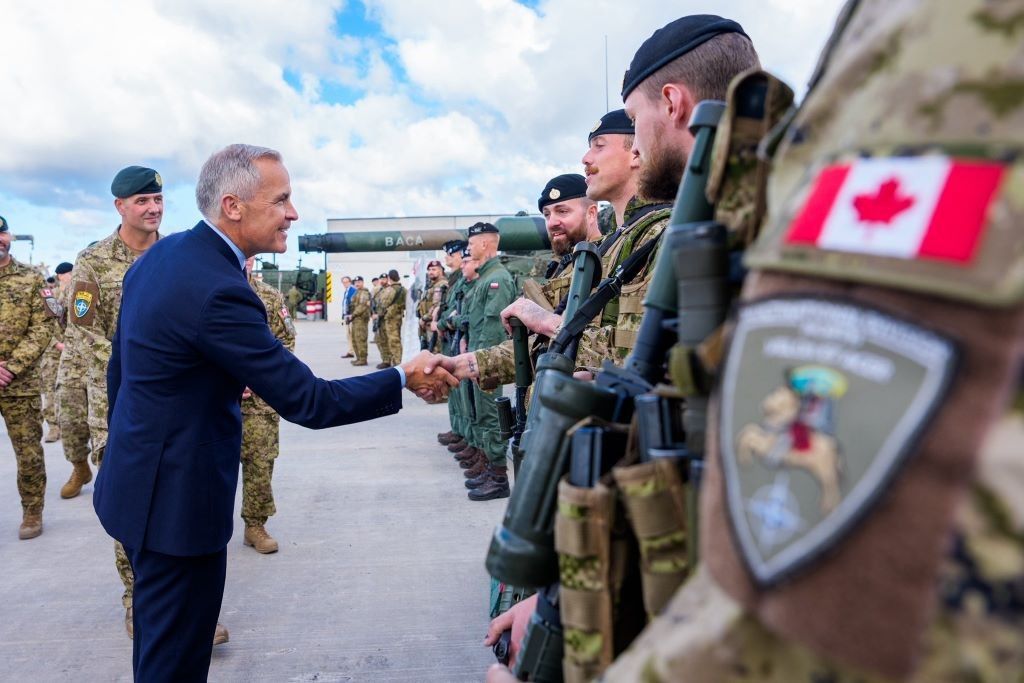
An interesting issue would also be the scope of participation of Ukrainian industry in SAFE. For instance Poland announced that it would spend over EUR 2 billion of the available funding for Ukrainian technologies while most of the funding (approx. 89%) has to go to the national industry. There is no doubt that Ukraine has built an innovative and effective industry, though whether and to which extent both sides manage to integrate their industrial bases is an open question.
Today, at the beginning of 2026, months after adoption of SAFE regulation, with transatlantic relations strained, and most importantly Russia gaining war experience, introducing new technologies of unmanned systems and being in war economy mode, there is no other alternative but to rearm, and it is not certain whether Europe manages to do it in an appropriate time and scope. Yet, SAFE is a significant incentive, but also with deadline. Deadline, which by the way is a form of compromise between defence requirements and industry capacity, as there are significant risks before 2030. In that case, the industry should really deliver on time, otherwise, bad things may happen not only to its financial standing.


