












- WIADOMOŚCI
- PILNE
France and Italy seek safe passage deal with Iran

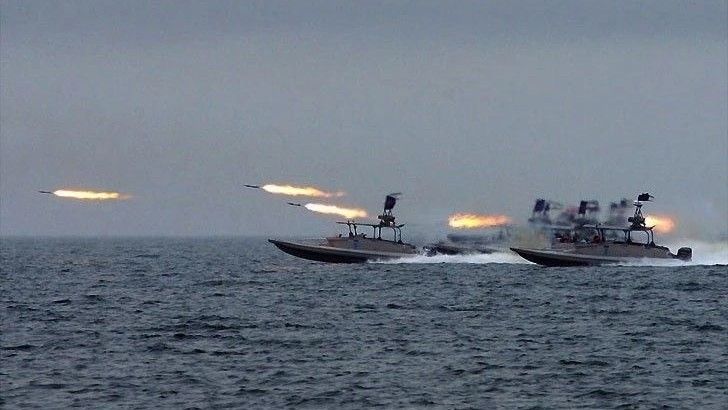
Photo. din vajedi - akkasemosalman.ir/ CC BY 4.0/ wikimedia.org
The ongoing conflict in the Middle East is increasingly affecting global energy markets and the wider economy. In response, France and Italy have initiated talks with Tehran aimed at negotiating an agreement that would guarantee the safe passage of ships through the Strait of Hormuz, one of the most critical energy transport chokepoints in the world.
European presence and the interests of France and Italy in the Middle East
France and Italy have found themselves in a particularly difficult position in the Middle East. Both states entered regional operations in a limited and primarily defensive manner, supporting the security of Gulf states and the stability of maritime routes. However, this was never their war, and neither Paris nor Rome had ambitions to become full parties to the conflict.
The situation quickly demonstrated how risky even a limited military presence can be in a region marked by such high levels of escalation. France suffered real losses – one French soldier was killed and several others were wounded. The incident served as a stark reminder for Paris that even defensive actions can draw a country into a conflict it never intended to fight.

At the same time, it must be clearly stated that France has significant political, military, and economic interests in the region. For years, Paris has been building its position through a sustained military presence and cooperation with Arab states. France maintains a military base in the United Arab Emirates, operates one of its key overseas bases in Djibouti, and conducts intensive military cooperation with Qatar. Arms exports and defense partnerships with Gulf states remain one of the pillars of French regional policy.
In recent weeks, France has also demonstrated its maritime power. The French Navy operating in the region showcased its ability to project power, protect critical infrastructure, and secure key maritime transportation routes. Similarly, Italy increased its military presence, signaling that European states are capable of conducting stabilization operations beyond the continent.
Limits of European engagement and a shift toward diplomacy
Despite this demonstration of military capabilities, both Paris and Rome have made it clear that they are not interested in becoming fully involved in a regional conflict with Iran. European states are not prepared to open another strategic front at a time when the continent is already politically and militarily engaged in supporting Ukraine. As Polish Foreign Minister Radosław Sikorski has noted, for many European countries—especially those on NATO’s eastern flank—the ongoing war in Ukraine remains a far more pressing challenge.
As a result, France and Italy are now taking a step back. After demonstrating their military capabilities, both states are moving toward de-escalation and diplomacy. They are seeking to initiate talks and negotiations, including with Iran, in an effort to limit further confrontation.
France will remain in the region and continue to support its partners in a defensive capacity. At the same time, however, Paris has clearly signaled that it does not intend to participate in military operations led by the United States, even despite its own losses.
This clearly illustrates the limits of Europe’s power projection. Europe is willing to demonstrate presence, protect its interests, and contribute to regional stability, but it is not prepared to fight a new war in the Middle East.
Authors: Dr Aleksander Olech and Karolina Kisiel


