












- ANALIZA
- WIADOMOŚCI
A war Poland cannot afford: Russian aggression could cost over €1 trillion

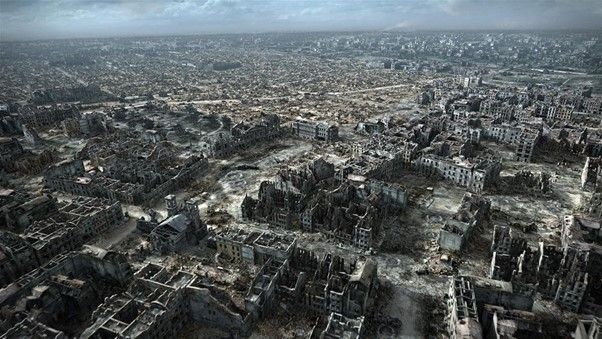
Failure to deter and stop Russian aggression against Poland could set the country back by decades, cost over a trillion euros, and inflict long-lasting social trauma, making the strongest possible case for Poland’s current rearmament, a new report by the Defence Institute and ZPP finds.
Beyond the economy: the broader costs of contemporary war
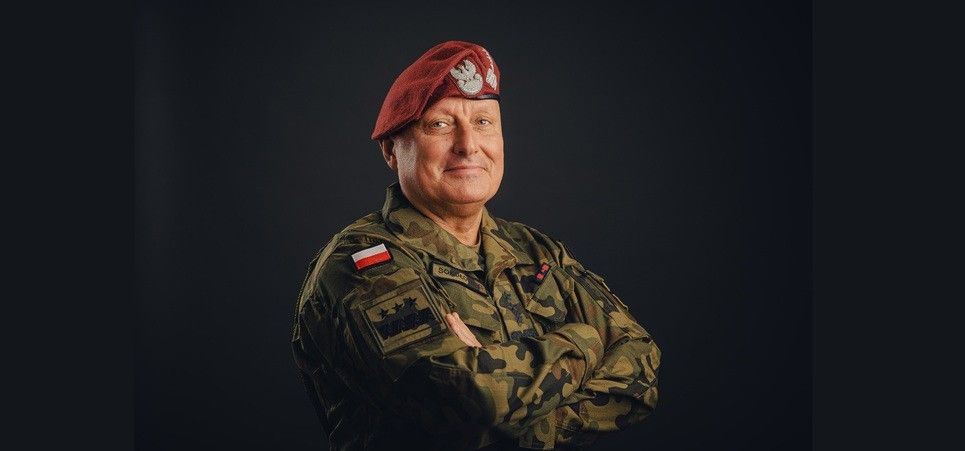
As Gen. Jarosław Gromadziński writes at the beginning of the report, “the largest and most severe cost of armed conflict is always the social one.” War destroys lives and the sense of security in multiple ways: through fear, displacement, shortages of basic goods and services, declining living standards, lost life prospects, and long-term trauma.
For the general, the scale of losses depends largely on the destruction of critical infrastructure, especially transport and energy systems, which underpin modern economies and are costly and slow to rebuild. Damaged roads, railways, and ports create logistical paralysis, disrupting the movement of people, goods, and troops, while energy shortages cripple industry, banking, telecommunications, and public administration. Attacks on heating infrastructure and overstretched health systems are especially devastating for civilians.
Together, these effects severely damage the economy and the business sector, which also suffer from collapsing stability, predictability, and trust. Firms lose supply chains, contracts, and access to capital, leading to financial distress, lower output, unemployment, and recession. Physical destruction extends beyond military and public infrastructure to private capital, including businesses, factories, and residential buildings.

Gromadziński stresses that economic analyses often overlook losses to cultural and historical heritage, which form the foundation of Polish identity. The destruction of museums, memorials, and monuments carries a symbolic cost far beyond material damage: “physical reconstruction is possible, but reconstructing meaning and memory is more difficult,” he writes.
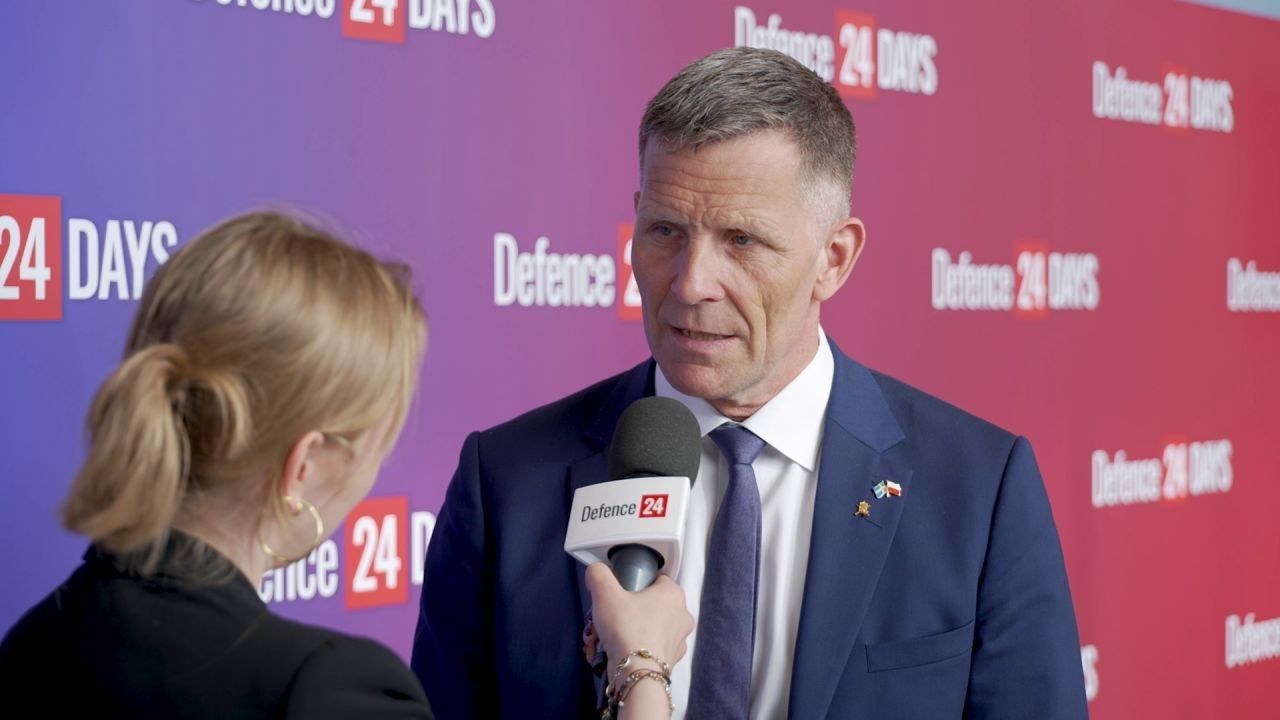
These and other war-related costs were calculated by Prof. Konrad Trzonkowski for three distinct scenarios of Russian aggression developed by Jakub Palowski, the deputy editor-in-chief of Defence24.

Photo. Prof. Konrad Trzonkowski and Jakub Palowski
Scenario 1: air strikes and the paralysis of Poland's energy and transport infrastructure
The first scenario assumes that Russian aggression against Poland would be limited to air attacks, including precision missile strikes, aerial bombing, and drone strikes. Such an operation would likely accompany a broader land offensive against the Baltic states, seeking to weaken Poland’s military and logistical support for them while undermining Warsaw’s own credibility as a defender of its own territory. As Palowski notes, this is “theoretically the least damaging scenario for Poland, but also the easiest for Russia to carry out, making it the most likely.”
Such an attack is estimated to cause an 11.2% contraction in real GDP in the first year, driven by capital flight and an investment freeze, as Poland’s entire territory would be treated as an active war-risk zone. Insurance premiums would surge, while transport costs could rise by up to 30%, reducing Polish exports by 16%, according to the analysis. In material terms, Trzonkowski describes the systematic annihilation of energy and transport infrastructure, concentrated in eastern Poland and the Gdańsk agglomeration, including the Naftoport oil terminal, the Gdańsk refinery, the Małaszewicze logistics hub, and key bridges.
The recovery strategy proposed for this scenario, dubbed the “Shield for the Aorta,” calls for greater energy redundancy through more distributed renewable and nuclear systems, the relocation of core state data and digital infrastructure to allied cloud networks abroad, and the development of new north-south logistics corridors in western Poland. The total cost is estimated at around €250 billion, while a return to pre-war GDP levels would take approximately 7–9 years, assuming the credibility of NATO security guarantees remains intact.

Scenario 2: limited ground offensive and regional structural disintegration
The second scenario goes a step further, assuming a Russian land offensive not only against the Baltic states but also a supporting ground strike against Poland, with the temporary occupation of its north-eastern territories to block the Suwałki Corridor — the only land link to the Baltics. Such a partial occupation would trigger “regional structural disintegration,” with real GDP estimated to fall by 29.4% year-on-year.
Trzonkowski writes that “the main vector of destruction in this instance becomes the physical annihilation of fixed capital,” especially in regions affected by intense manoeuvre warfare and siege operations, as well as areas subjected to heavy artillery and missile strikes, where up to 38% of the productive and infrastructure asset base is destroyed. One of Europe’s key furniture-manufacturing centres in Warmia-Masuria and Poland’s dairy heartland in Podlasie would be paralysed, cut off from both domestic and global markets.
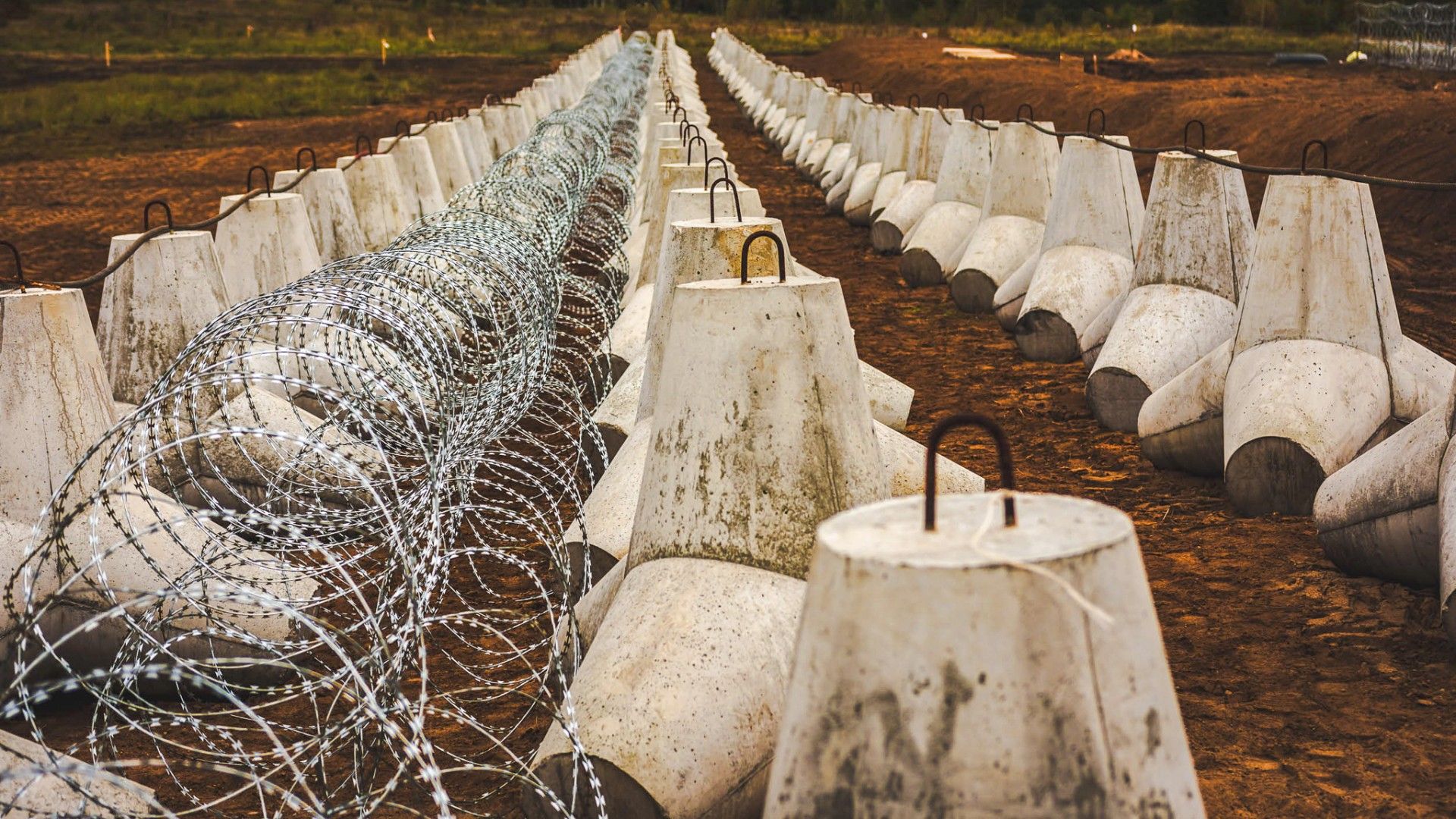
The considered recovery strategy, dubbed the “Corridor of Resilience,” envisages relocating key industries and developing redundant transport infrastructure bypassing the most exposed regions, requiring investments worth 4–6% of GDP annually over the next decade.
Scenario 3: full-scale invasion and multi-generational devastation
The third and final scenario envisions a full-scale conventional invasion of Poland, with the country becoming Russia’s main target in an attempt to challenge the entire European security architecture. Palowski describes this scenario as “less probable but far more costly for Poland,” treating it as a hypothetical stress test. In this case, the war takes a disastrous course: Polish forces are pushed back behind the Vistula and San rivers, while Russian troops occupy nearly half of the country before being repelled by a successful NATO counteroffensive after several months.
The projected costs are staggering. In the simulation, Poland’s real GDP collapses by more than half, effectively setting the country back by two decades. 40% of fixed capital is erased, tax revenues drop by 60%, unemployment exceeds 43%, and public debt peaks at 250% of GDP, leading to sovereign bankruptcy. Hyperinflation reaches 850%, while the Polish złoty loses half its value against reserve currencies, triggering spontaneous dollarisation and euroisation.
Western Poland would simultaneously face an influx of around two million internal refugees, while many others, especially skilled professionals, would flee abroad, accelerating brain drain. The experience of war, bombardment, and likely Russian crimes against humanity would leave deep and lasting trauma on Polish society, pushing the country into an even deeper demographic crisis than it faces today.
In this scenario, “Poland faces a multi-generational challenge of reconstruction,” Trzonkowski observes. Recovery would not mean simply rebuilding the old economy, but transforming it through “green, distributed energy” and “full digitalisation” into a “digitally resilient state.” Such a “build back better” strategy, he argues, would allow Poland to re-emerge as a credible part of global value chains within 15–20 years. The total recovery cost is estimated at €0.8–1.3 trillion, roughly twice the estimated €500 billion cost of Ukraine’s reconstruction.
See also 
Broader lessons from the report: developed economies' vulnerability, hidden war-risk costs, and the economic logic of deterrence
What stands out in these estimates is that Poland’s projected losses are significantly higher than Ukraine’s. This is relatively easy to explain once pre-war differences in development and GDP are taken into account. Having transformed over the past three decades into one of the world’s top 20 economies, Poland simply has much more to lose: far more advanced infrastructure, deeper industrial capacity, and a larger, more complex economy than Ukraine had in 2022. The rule is simple: the more developed the country, the higher the potential cost of destruction.
Another striking finding of the report is that a significant share of the economic costs would stem not from physical destruction itself, but from Poland being treated as an active war-risk country, discouraging investment and international trade. To achieve this, Russia would not necessarily have to go as far as the first scenario. Even more frequent and regular drone incidents could produce less severe, but still significant, consequences by undermining Poland’s credibility and predictability in the eyes of international investors and firms.
This threat is particularly acute in eastern and northern Poland, close to the Russian and Belarusian borders. The report repeatedly warns of a potential division of the country into zones of relative stability in the west and centre, and permanently exposed regions in the east, which could suffer from population decline and investment outflows. This is especially concerning given Poland’s persistent west-east development gap and the multi-billion-euro efforts made over recent decades to narrow it.
The report views post-war recovery not merely as rebuilding what was destroyed, but as an opportunity to modernise Poland’s economy, administration, and infrastructure. The proposed recovery strategies place strong emphasis on deeper digitalisation and a more distributed energy system to strengthen long-term resilience. This raises an important question: should at least some of these changes not be implemented in advance, before any potential attack, to make Poland more resilient already today?
From a military standpoint, the analysis shows that in every scenario NATO suffers immediate territorial losses, followed by costly counteroffensives, largely because of slowly arriving allied external reinforcements. The insufficient presence of allied troops in the most exposed countries of NATO’s eastern flank leads to collapses and withdrawals, forcing lengthy, bloody, and expensive reconquest operations. Rather than deterring aggression, such a posture may encourage it, with the Kremlin calculating that allies could hesitate to send reinforcements, fearing further escalation.
The report therefore implicitly suggests that deterrence is everything. If Poland wants to avoid civilisational degradation and becoming a war zone, it must do everything possible to deter Russian aggression, not only a full-scale invasion, but also lower-intensity scenarios that could still have severe consequences. That of course includes high defence spendings, which is already a case, as well as advocating for even greater NATO Enhanced Forward Presence in the region, which also takes place.
To better engage allies in Poland’s deterrence, similar future reports could estimate the costs of Russian aggression against NATO’s eastern flank for European allies not directly exposed to military operations. Given the EU’s deep economic interdependence, the economic shock of aggression could quickly spread across the continent, triggering wider regression. This would be particularly visible in the Polish-German case, as German manufacturers would lose access to many key Polish suppliers. Demonstrating the broader European costs of a seemingly localised conflict could therefore incentivise less exposed allies to take a greater role in regional deterrence.
“War always entails losses,” Gromadziński concludes, arguing that “the better we know its real consequences, the better we can prepare to prevent them — or, if that proves impossible, to minimise them.” By revealing the real price of such a conflict, the report shows that Poland’s current rearmament is not only necessary, but financially rational.
The report “Economic Costs of War for Poland” was published by the Związek Przedsiębiorców i Pracodawców (ZPP) and the Polish advisory think tank Defence Institute, under the media patronage of Defence24. It was authored by Prof. Konrad Trzonkowski and Jakub Palowski, with a foreword by Gen. Jarosław Gromadziński, and edited by Miłosz Marczuk. The full report (available in Polish only) can be accessed via the following link


