












- WIADOMOŚCI
- KOMENTARZ
Europe’s setbacks in unmanned ground vehicles development

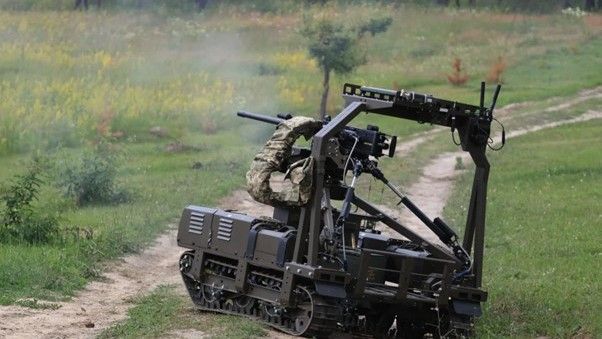
Unmanned ground vehicles dominate the Ukrainian battlefield and are likely to be equally, if not even more, important in future warfare, pushing European countries to develop their own systems, though this effort faces several setbacks.
The rapid development and deployment of unmanned systems have become one of the defining features of the Russian-Ukrainian war. Ground warfare is increasingly dominated by unmanned ground vehicles (UGVs), particularly within the battlefield “kill zone,” where deploying machines is far safer than risking soldiers’ lives.
Both sides are developing dozens of such systems, making it one of the fiercest innovation races of the war. As a result, developing competitive European solutions in this field is becoming a major priority for militaries and a key challenge for the defence industry.
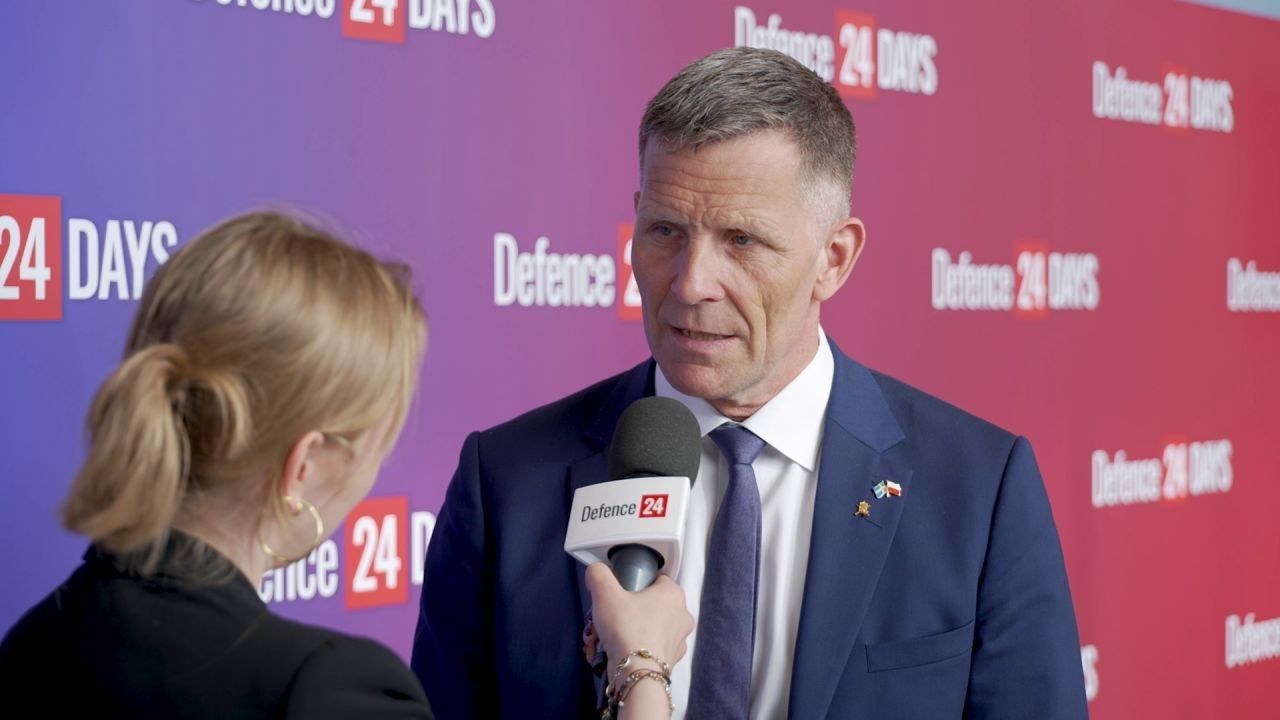
At Defence24 Days 2026, the largest security conference in Central and Eastern Europe, held in Warsaw on 6–7 May, the panel “Unmanned Ground Vehicles – Reconnaissance, Support, Evacuation and Combat” brought together major industry representatives from Poland, Ukraine, and South Korea. It became clear that the discussion has shifted from whether to robotize the battlefield to how to do so effectively, with today’s answers largely shaped by lessons from the Ukrainian battlefield.
Rapid evolution: modularity, counter-drone, and propulsion
The panelists highlighted several key developments in UGV design. First, they stressed the importance of modularity, with easily adaptable, replaceable, and battlefield-ready components that soldiers can quickly assemble and operate. Second, they emphasized the growing need for counter-drone capabilities, such as equipping platforms with drone interceptors, underscoring the increasing interdependence of both domains.
The discussion then shifted to the various types of propulsion systems and platforms. UGVs can be based on modified manned vehicles, including civilian cars, highlighting the growing importance of adapting technologies from the automotive sector. Beyond conventional combustion engines, new solutions may increasingly rely on electric and hydrogen-powered systems.
Setbacks: testing, scalability, and education
Industry representatives underscored that extensive field testing is essential for validation and rapid iteration, while giving companies opportunities to present their solutions to the military remains a key prerequisite. In Poland, however, the scale and pace of such testing are still insufficient. As a result, some military units remain unfamiliar with new systems and are therefore reluctant to adopt them.
Several major concerns regarding industry preparedness were also raised, which should ring alarm bells. As one Polish panelist noted, there is no scenario in which, at “H-hour,” production can be rapidly scaled up, as companies lack sufficiently developed supply chains. In his view, many firms currently present their solutions as fully ready in order to satisfy military expectations, while they are in fact not yet fully mature or operationally validated. Proposed solutions included more flexible, faster, and smaller-scale contracts, alongside easier access to testing facilities and closer cooperation with the armed forces.
Another issue raised by the panelists was education, an area where some progress has already been made. Poland is launching new master’s programmes dedicated to unmanned ground systems, including several specialized tracks. However, education must extend far beyond the military sphere and focus more broadly on fostering innovation and technological literacy among Polish youth, which could become a major strategic asset in the event of future conflict.

Building a fertile ecosystem for unmanned systems innovation
This led to the final point, which was the need to build a fertile ecosystem for unmanned systems innovation in Poland. The unique wartime conditions and scarcity-driven pressures in Ukraine have produced an exceptionally innovative environment — one that cannot, and hopefully will not, be fully replicated in Poland.
The key takeaway was that Poland cannot simply copy and paste Ukrainian models and solutions due to fundamentally different realities. Nevertheless, it can and must strive to create a more flexible, simplified, and innovation-friendly environment that enables faster adaptation, procurement, and technological development. In this regard, the main challenge lies not with industry, but with the government and the armed forces.


