


- WIADOMOŚCI
- KOMENTARZ
NATO tanks could take weeks to reach the Baltic states. Who will provide the fuel?


Lithuania, Latvia and Estonia are intensively preparing to receive NATO forces in the event of Russian aggression. They are practising the transport of tanks, the movement of thousands of soldiers and the delivery of fuel, ammunition and food. However, time remains a major problem. Deploying larger military formations from Western Europe could take weeks, and under unfavourable conditions even months. This is why the Baltic states are not simply developing their armies, but also preparing infrastructure, warehouses and transport routes to function during a conflict.
On 26–27 July 2026, Germany’s 93rd Armoured Battalion participated in an exercise involving the movement of troops from Germany through Poland to Lithuania. Approximately 80 military vehicles, including tanks and armoured personnel carriers, were deployed under conditions in which rail, maritime and air transport were assumed to be limited. The exercise tested whether heavy military units could move exclusively by road.
In June, approximately 2,900 soldiers and 800 military vehicles from eight NATO countries also participated in Freedom Shield 26-I in Lithuania. Such exercises will become increasingly important because, in the event of Russian aggression, what matters is not simply how many units NATO has available, but how quickly they can reach the Baltic states.
Europe has weapons. Transport is the problem
Moving military forces across Europe remains far more difficult than it might appear. According to EU analyses, transferring substantial forces from the west to the east of the continent can, under certain conditions, take weeks or even months. The European Court of Auditors found that one EU member state required as much as 45 days« advance notice for military transport across its territory.
This does not mean that the journey itself takes 45 days, but it demonstrates the scale of administrative restrictions. There are also problems involving bridges, roads, railway wagons and the transport of oversized military equipment. Standard weight limits on many roads are 40 tonnes, while modern tanks often weigh between 55 and 70 tonnes.
The European Union has already identified approximately 500 priority infrastructure investments needed to improve military mobility. The situation is particularly important for the Baltic states, where road and rail connections with the rest of NATO remain limited.
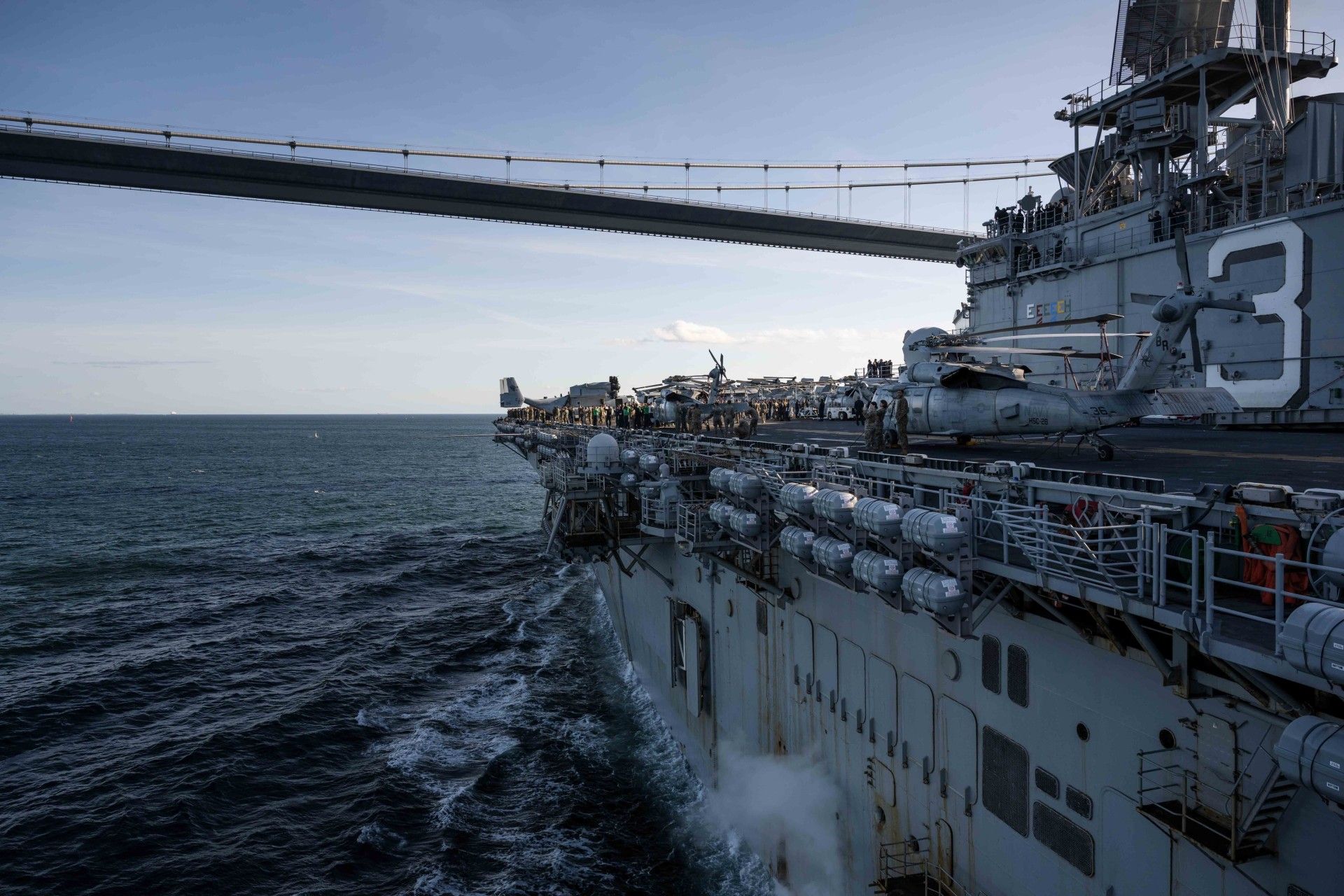
On 30 January 2026, the defence ministers of Lithuania, Latvia and Estonia signed a declaration establishing a common military mobility area. Its purpose is to simplify border-crossing procedures and the transport of military equipment. Meanwhile, the Rail Baltica project is being developed to connect the region with Poland through a railway using the European standard gauge of 1,435 mm, with the first phase scheduled for 2030.
Having a brigade ready in Germany, France or the United Kingdom is simply not enough. NATO must also be able to deliver that brigade to the Baltic states before the military situation changes fundamentally.
The second challenge is logistics. Lithuania is implementing more than 20 military mobility projects worth an estimated €4 billion and investing over €18 million in military fuel stations and storage facilities. In Latvia, the Namejs 2026 exercises tested supply deliveries, the equipping of reservists and responses to attacks against logistics convoys.
Estonia also maintains part of its fuel reserves in Finland and Sweden. The Baltic states are preparing for a situation in which railway transport is disrupted, ports are threatened, and alternative routes must be used to deliver fuel and ammunition.
NATO has another problem. Fuel
It is worth recalling the findings of a report published in September 2026 by the NATO Energy Security Centre of Excellence. European NATO forces consume approximately 3.7 million tonnes of military fuel annually, while demand increases to around 5.2 million tonnes when North American forces stationed in or moving through Europe are included.
Aviation fuel is particularly problematic, accounting for 60–72% of military fuel demand in peacetime and as much as 75–80% during war. Europe has aviation fuel reserves equivalent to approximately 49 days of current civilian consumption, compared with around 120 days for overall oil and petroleum product stocks. However, these figures do not guarantee the same supply duration during wartime, when consumption could increase dramatically.

The report examined 252 scenarios. In a full-scale NATO conflict requiring a major deployment of American forces to Europe, approximately 45% of aviation fuel normally used by the civilian sector might have to be redirected to military requirements.
By 2035, this figure could increase to 60%. In other words, during a major conflict, airlines, civilian transport and the armed forces would be competing for the same resources. Without sufficient reserves, refineries, pipelines and secure supply routes, Europe could struggle not only to transport troops, but also to maintain their combat capabilities.
Which NATO forces are stationed in the Baltic states?
Estonia hosts a British-led battlegroup consisting of approximately 800 British personnel, supported by a French company. From April 2027, the British contingent is expected to increase to 1,200 troops, while an additional brigade will remain ready for deployment from the United Kingdom.
Latvia hosts a Canadian-led multinational NATO brigade, which is expected to comprise more than 3,500 soldiers. Canada maintains approximately 2,000 troops in the country, while more than 800 Danish soldiers also arrived in August. Other countries, including Poland, participate in the formation.
In Lithuania, Germany’s 45th Armoured Brigade is being developed and is expected to comprise approximately 5,000 military and civilian personnel and around 2,000 vehicles by the end of 2027. American rotational units are also present in the country.
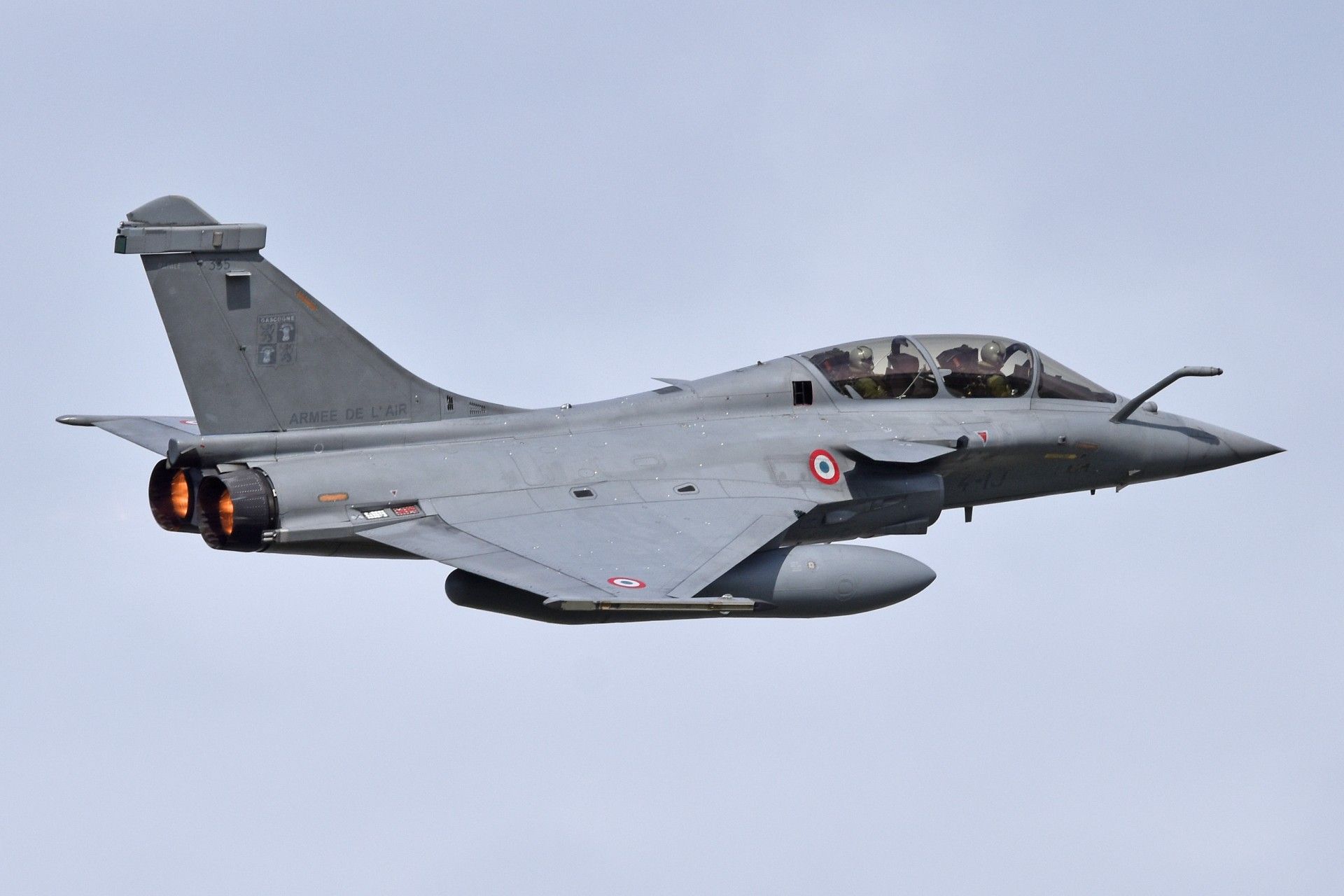
Over the coming years, the Baltic states will have to intensify exercises focused not only on receiving additional NATO forces, but also on supplying them during simultaneous attacks against transport and energy infrastructure.
Ukraine’s experience demonstrates that the military cannot function without civilian logistical support. Russia does not have to destroy NATO tanks to prevent them from being used. It is enough to disrupt their transport or cut off supplies of fuel and ammunition. That is precisely why the Baltic countries want to prepare for a crisis before these arrangements have to be tested in a real war.
For now, we have reports, analyses and articles. But tanks need fuel, and soldiers must be moved from west to east. It is time to focus on moving from theory to practice.


