












- WIADOMOŚCI
Polish Chief of Defence Comments Military Funding Challenges

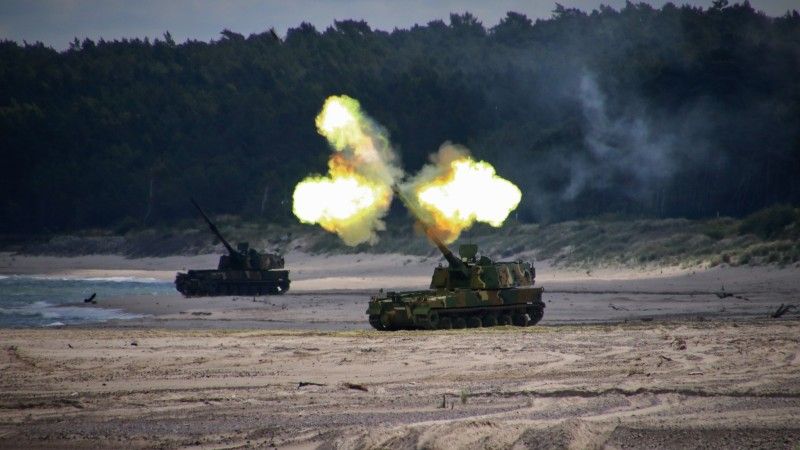
Photo. 1st “Mazurska” Artillery Brigade/Facebook
Our plan for this year is to allocate 4.7 percent of GDP to armaments. There are many challenges in managing to spend the entirety of those funds. One of the problems is that the equipment is not available for immediate purchase, said Gen. Wiesław Kukuła.
Chief of the General Staff of the Polish Armed Forces, Gen. Wiesław Kukuła, gave an interview to Polish Radio 24. In conversation with Agnieszka Drążkiewicz, he spoke, among other things, about defense spending and the difficulties in executing procurement programs.
Trouble in Spending 4.7% of GDP?
“The level of expenditure, 4.7 percent of GDP, is our plan for this year. There are many challenges related to actually spending all of these funds. One of the problems is that the equipment is not available for immediate purchase. (…) This process will deepen further over the next few years,” said the Chief of the General Staff of the Polish Armed Forces. It is worth adding that the 4.7 percent-of-GDP figure covers both the budgetary allocation (just over 3 percent of GDP) and the funds from the Armed Forces Support Fund, treated together. In recent years, it was almost routine to fully utilize budgetary funds (although the Supreme Audit Office had reservations about the manner of expenditure), but the Support Fund was typically underspent relative to its planned amounts.
Gen. Kukuła also commented on the development of Poland’s defence industry:
“In order to build the armed forces effectively, the defence industry should develop in parallel with the armed forces. Today, these processes are completely desynchronized. (…) We see the effects in the form of a mismatch between production processes and the pace of armed forces’ transformation,” he stated, emphasizing that virtually every European country faces similar problems today, and that only the U.S. and Israel are in a better position.

He went on to say that the guidelines set at the NATO summit in The Hague (which assume spending 5 percent of GDP on security, including 3.5 percent on defense) may paradoxically lead to further increases in the cost of armaments.


