












- WIADOMOŚCI
The war in the Middle East and oil prices

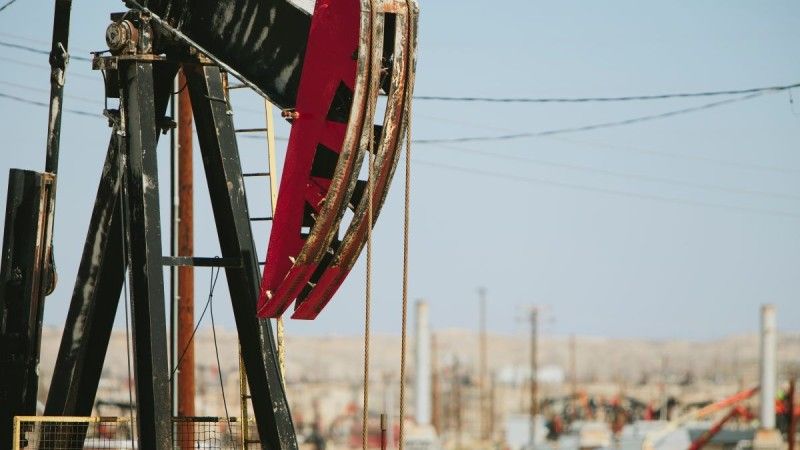
As a result of the US-Israeli attack on Iran, anxiety is rising in the oil market. There are growing concerns about a potential blockade of the Strait of Hormuz, through which approximately 20 percent of the world’s oil supply is transported.
Traffic through the strait is currently heavily restricted due to ongoing attacks. Oil prices are now on the rise. Analysts from XTB note that “it is precisely the fears over the stability of supply from the Persian Gulf that are driving today’s surge in Brent and WTI crude prices by around 7.2 percent, pushing Brent to nearly USD 79 per barrel. The market is increasingly considering a scenario in which, under an actual blockade of Hormuz and continued attacks on tankers, oil prices could test the USD 100 barrier in a relatively short time.”
Events in the Middle East have prompted a response from OPEC+. The oil-exporting countries have decided to increase production in April by 206,000 barrels per day. Earlier projections had assumed production of around 136,000 barrels. It remains uncertain whether OPEC+’s reaction will be sufficient to prevent a new “oil crisis.”
It should also be noted that the attacks have led to the shutdown of numerous oil and gas facilities across the Middle East. Operations at the Ras Tanura refinery in Saudi Arabia have been suspended. This is the largest refinery in the country.

At the same time, the gold and silver markets are also seeing gains. Gold prices are up more than 2 percent. In the case of silver, prices are expected to reach between USD 100 and 120 per ounce. There is also a risk of a sharp correction in these instruments if the situation in the Middle East suddenly stabilizes.
Ultimately, stock market prices depend on how long the exchange of fire continues and how long traffic through the Strait of Hormuz remains restricted. The strait is one of the most critical “chokepoints” in the global oil market. It is the only maritime route for oil exports from Iran, Saudi Arabia, the United Arab Emirates, Bahrain, Kuwait, and Iraq.


