












- WIADOMOŚCI
Russia jams British jet

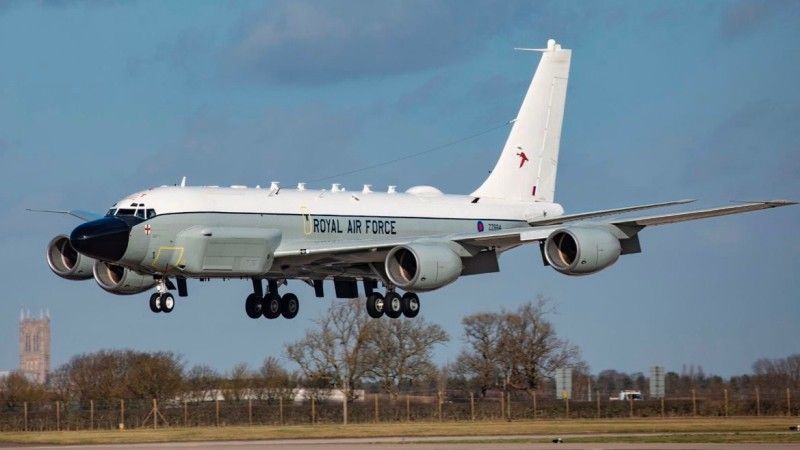
A RAF jet carrying British Defence Secretary John Healey was reportedly hit by an electronic warfare attack after flying near the Russian border. According to
This is not an isolated incident and should not be treated only as a technical problem during one government flight. The RAF jet reportedly lost its satellite signal during the three-hour return flight, forcing the pilots to rely on backup inertial navigation systems. The aircraft remained safe, but the political meaning is more serious: Russia is increasingly willing to interfere with allied aircraft operating near its border, including flights carrying senior NATO officials.
There was already a similar case involving Ursula von der Leyen. In 2025, the aircraft carrying the European Commission President experienced GPS interference during a flight to Bulgaria, with Bulgarian authorities suspecting Russian jamming. That case showed that this type of activity is not limited to the Baltic Sea or strictly military routes. It can affect political leaders, civilian airports and air corridors far beyond the immediate Russian border.
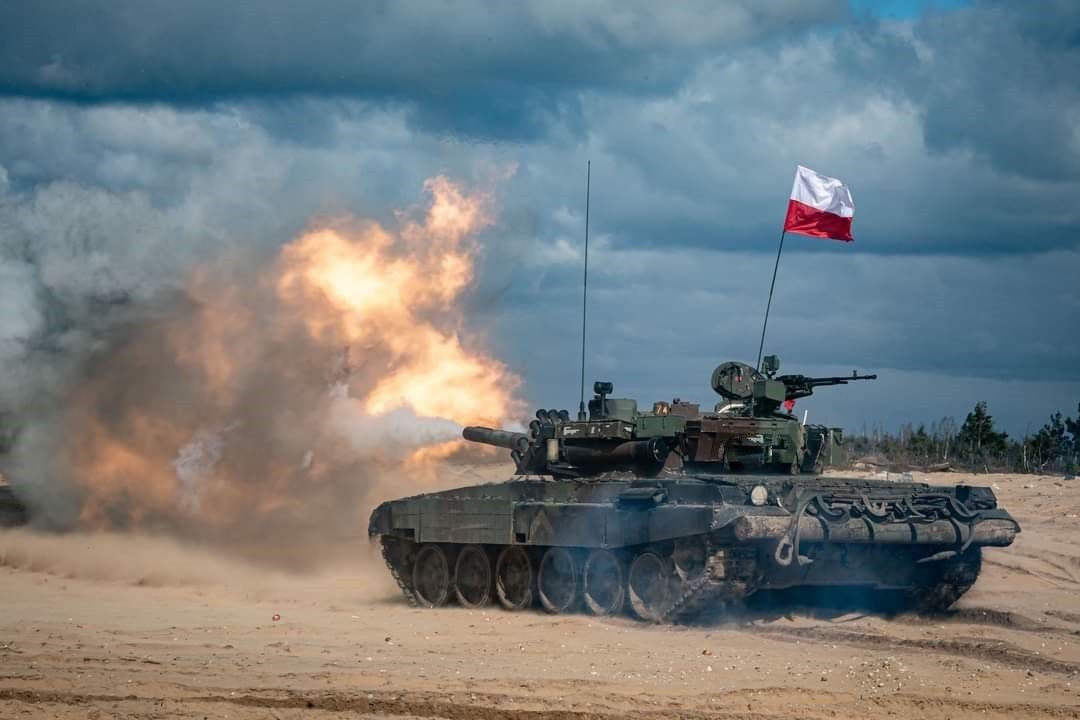
Finland, the Baltic states and Poland have been feeling this problem for a long time. Flights operating near Russia, Belarus and the Kaliningrad region regularly experience GPS disruption, and pilots in parts of Northern and Eastern Europe have had to adapt to a reality in which satellite navigation cannot always be treated as reliable. Euronews reported that Estonia said 85% of flights had been affected by GPS interference, while Poland recorded 2,732 cases of GPS jamming and spoofing in January 2025.
This matters because Russian electronic warfare is becoming part of everyday pressure on NATO’s eastern and northern flank. It is not only about one minister, one aircraft or one route. It is about creating uncertainty in the air, testing allied procedures, disturbing civilian and military movement, and showing that Russia can generate disruption without crossing the threshold of open war. Moscow does not need to shoot down an aircraft to create a political and operational problem.
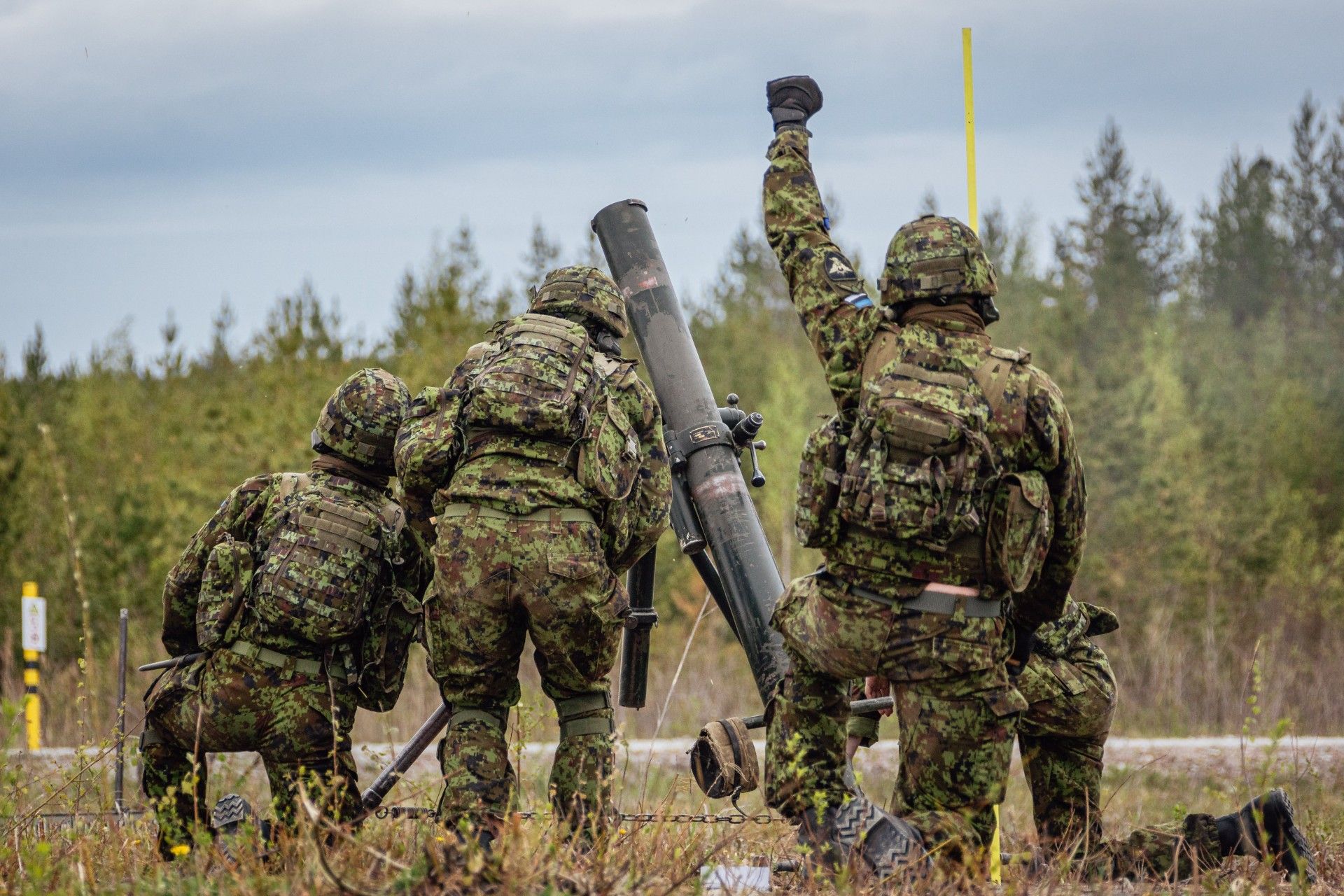
Healey had been visiting British soldiers deployed in southeast Estonia, near Russian forces across the border. British troops operating there already live with drones, jamming, surveillance and constant adaptation. This is why Estonia, Finland, Poland and the Baltic region are not only discussing the Russian threat theoretically. They are experiencing its practical consequences every time aircraft, drones, ships and military systems have to operate in a jammed environment. This is why NATO should treat electronic warfare, drone detection, navigation resilience and communications security as first-order defence capabilities on the eastern flank.


