












- WIADOMOŚCI
Geopolitical stakes: The road to a final Iran deal

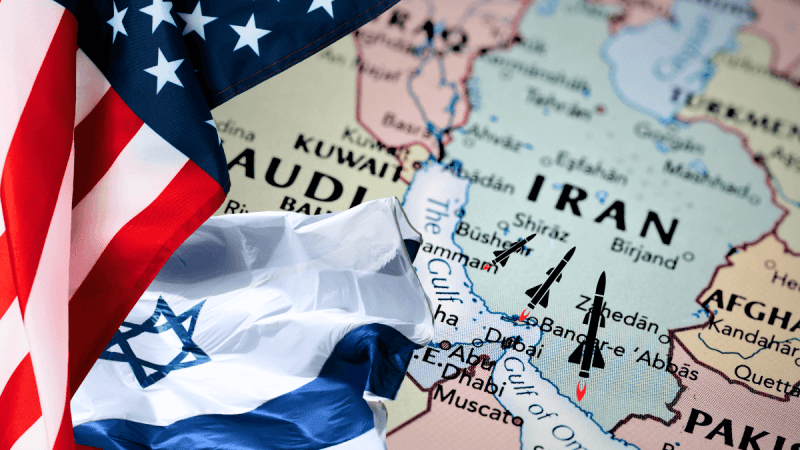
The United States and Iran have developed a „framework” that will extend their ceasefire by 60 days, giving time for both sides to reach a „final deal” that would end the war. The Strait of Hormuz is also supposed to be demined and reopened.
The Washington Post, citing a senior official from Trump’s administration, claims that the agreement is yet to be signed. It is thus unclear how binding the framework really is. Today, Secretary of State Marco Rubio told reporters about his cautious optimism, saying that negotiators have „what I think is a pretty solid thing on the table in terms of their ability to open up the straits, get the straits open, enter into a very real, significant, time-limited negotiation on the nuclear matter, and hopefully we can pull it off.”
The latest proposal awaits Iran’s approval. If it were to sign it, Iran would be obligated to immediately reopen the Strait of Hormuz and take action to ensure traffic returns to the region within 30 days. Every warring party would be supposed to end any military operations in the region, including those conducted by Israel in Lebanon. Iran would have to reaffirm that it will never develop nuclear weapons and would abandon its stockpile of enriched material. In the next two months, both sides would discuss how the material would be disposed of.
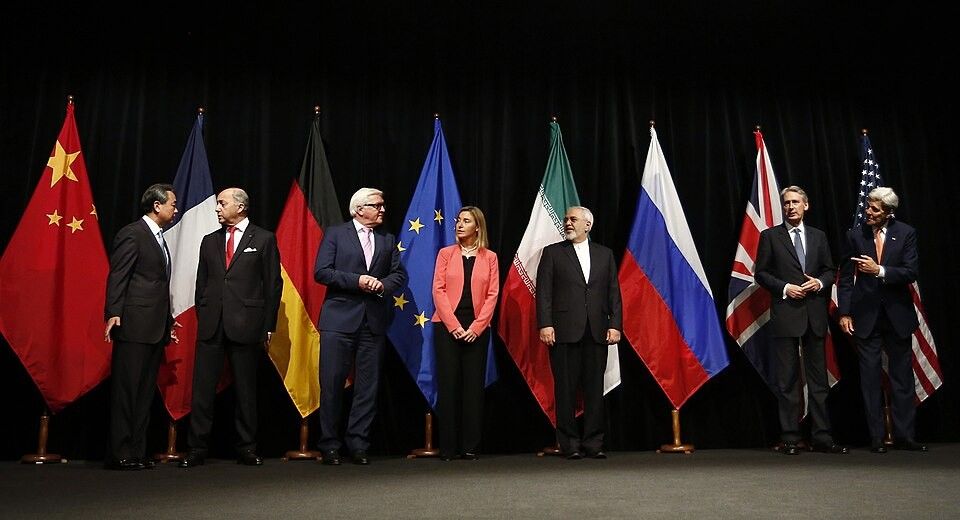
According to an Iranian official, cited by The Washington Post, the opening of the Strait will be phased. The first phase supposedly includes the release of $12 billion in frozen Iranian assets, minesweeping in the Strait, and the lifting of the U.S. blockade. The same official also claimed that the framework does not include a nuclear agreement, just a pledge to negotiate the nuclear issue later.
A senior official from Trump’s administration stressed that Iran’s frozen assets and other sanctions will be dealt with based on Iran’s compliance with other points of the framework. It is supposed to ensure both sides „cease fighting in the region,” while guaranteeing Israel’s right to „act against imminent threats.”
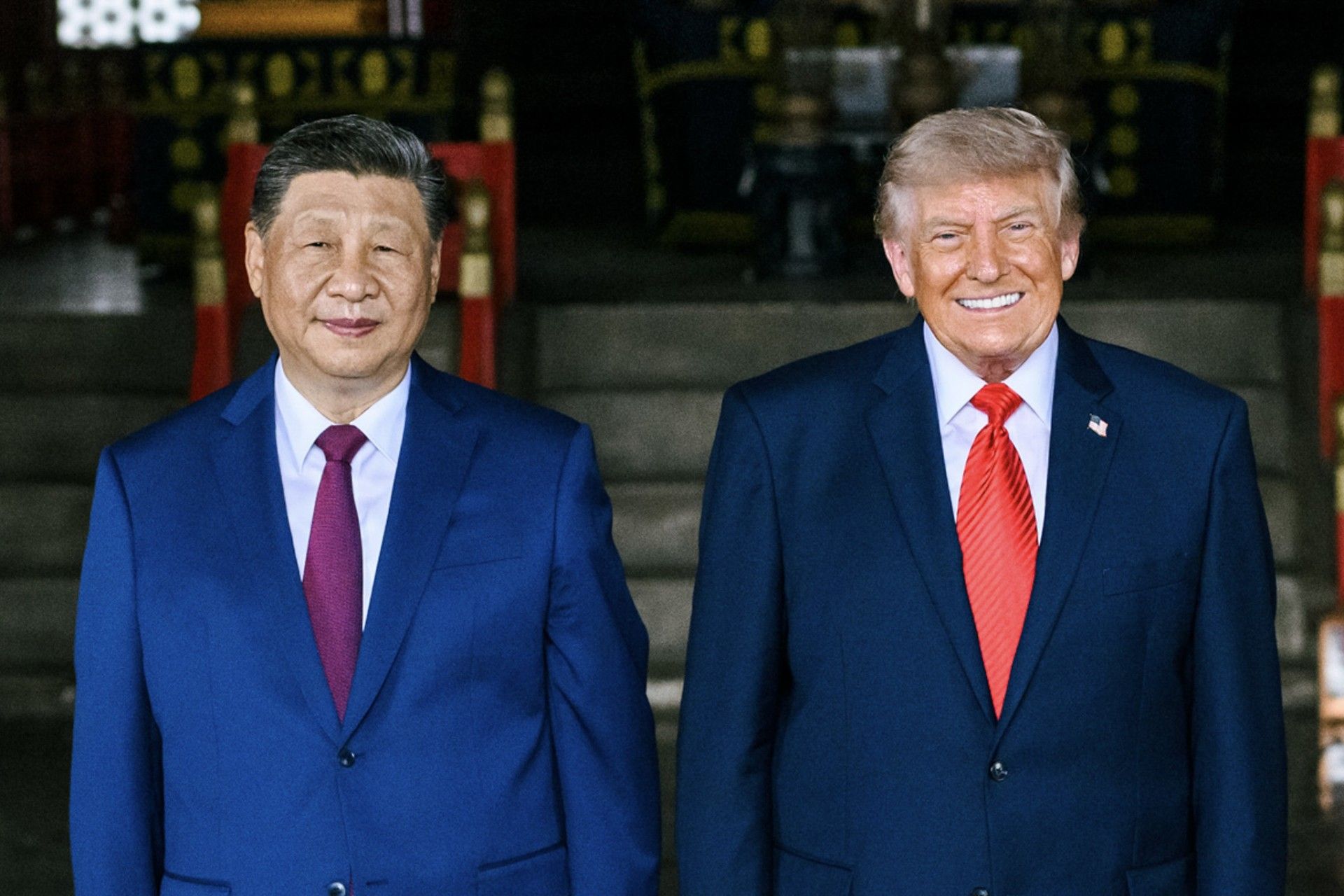
The announcement of the framework has been met with a response from the markets. On Monday, the price of Brent crude oil went down 5 percent to about $98 per barrel. Asian stocks have also gone up. The signing of the framework would move both sides toward a lasting peace. However, it should be noted that both sides of the conflict report contradictory facts regarding the framework’s points, especially on the nuclear issue.


