












- WIADOMOŚCI
- ANALIZA
Ukraine’s lessons are not NATO doctrine

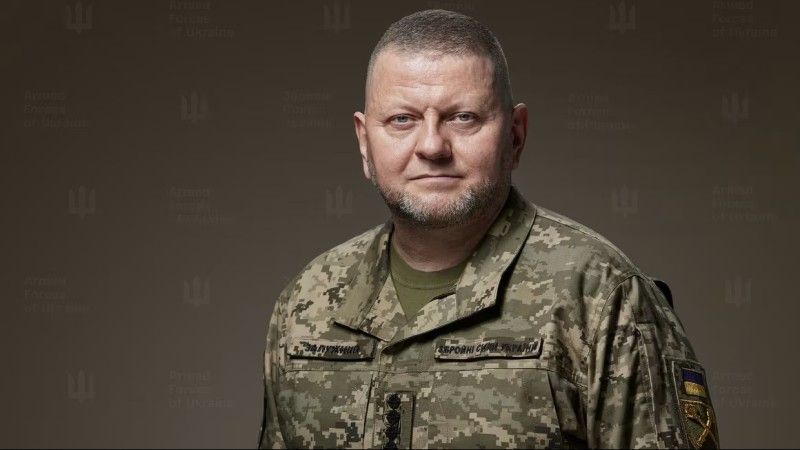
Photo. Armed Forces of Ukraine
Valerii Zaluzhnyi’s text for NV is one of the most important Ukrainian reflections on European security, because it does not speak about war from the perspective of exercises, procurement plans or political slogans. It speaks from the experience of a state that has gone through the hidden phase of Russian aggression, localised conflict, full-scale invasion and now existential war. This experience matters enormously, but it cannot be mechanically applied to every NATO country.
Zaluzhnyi’s first important point is that many European states still pass through three stages of understanding security. First, they believe the problem does not concern them and will somehow disappear. Then, when the threat becomes visible, they push responsibility onto the armed forces and announce new contracts, production plans and communication campaigns. Only at the third stage, when military capacity starts to run out and war accelerates, does the state understand that security cannot be delegated to the army alone. It must be carried by the whole state, its institutions, economy and society.
This is a serious argument for Europe. Security is not only about buying more equipment. It is about whether the state can organise itself before war begins, not after the first missiles fall. Zaluzhnyi is right that modern war has military, economic, political, informational, cognitive and diplomatic dimensions at the same time. It starts in a hidden phase, then moves into competition for local interests, influence and resources, and only later becomes open war. Ukraine experienced this sequence from 2014 to full-scale invasion. That is why its lesson is so valuable.
At the same time, this is still Ukraine’s experience, not a universal NATO manual. Ukraine is fighting without Article 5, without being inside NATO’s command structure and without the automatic political consequences that an attack on a NATO state would produce. Poland, Estonia, Finland or Romania can learn a lot from Ukraine, because they face Russia directly. But Spain, Belgium or Portugal will not apply the Ukrainian model in the same way, because their geography, threat perception and military planning are different.
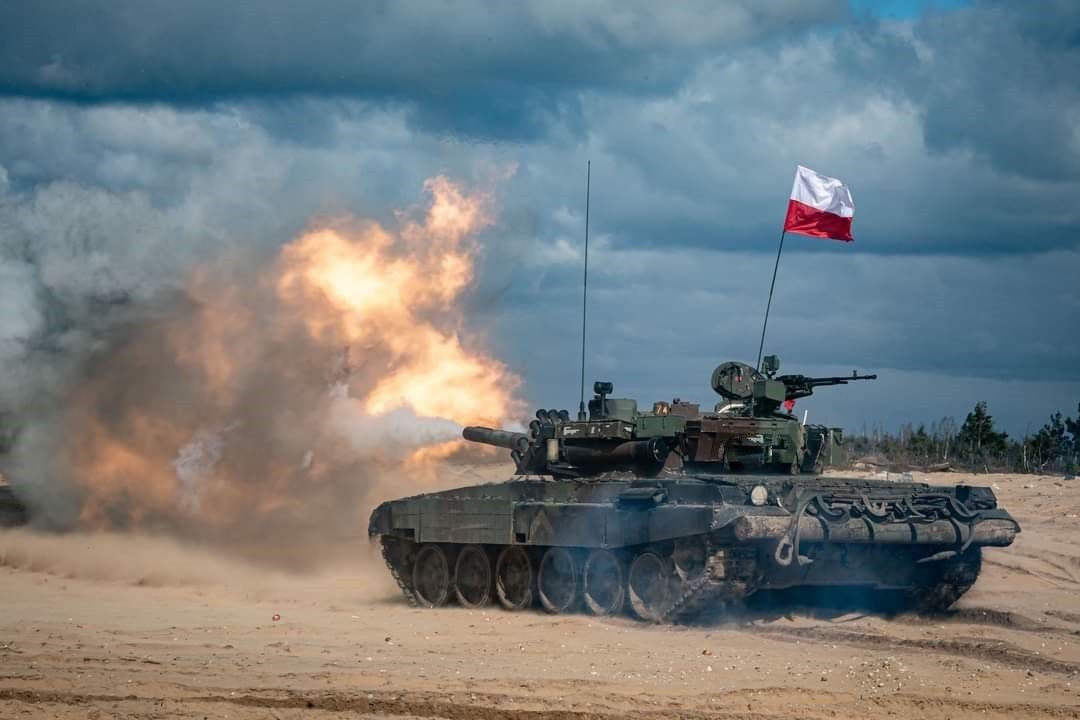
One of Zaluzhnyi’s strongest arguments concerns grey zones. He writes that if one accepts a buffer zone, war will come, first in a hidden form and then openly. This is one of the central Ukrainian conclusions: grey zones invite pressure, influence operations and eventually military aggression. For Ukraine, being left outside a stable security order would mean passing the problem to children and grandchildren. For NATO, this is a warning that ambiguity in European security is not neutral. It creates space for Russia.
Another key element is his criticism of the post-1945 international order and international institutions. Zaluzhnyi argues that the order created after the Second World War and after the collapse of the Soviet Union is breaking down, and that international law and institutions have failed to guarantee peace. He also argues that attempts to turn Ukraine into an object of negotiations between „strong leaders”, where territory, guarantees and resources could become bargaining chips, have failed. This is very important, because it shows the Ukrainian fear that great powers may again try to discuss Ukraine without Ukraine.
He also writes directly that NATO has problems of its own: technical unpreparedness for modern war and political difficulty in democratic systems when unpopular decisions must be taken. This is a harsh assessment, but not an empty one. The war in Ukraine has shown that NATO’s doctrine was built around expensive, precise systems, while the battlefield is now dominated by mass, cheap, increasingly accurate weapons of exhaustion. This does not mean NATO is useless. It means NATO has to change faster.

The most important military point in the text is the transformation of war by drones and mass systems. Zaluzhnyi argues that the new weapon is not simply „a drone” that can be bought quickly for the army. Drones are increasingly the final element of wider technological systems, including artificial intelligence, autonomy, swarming, navigation resilience and target recognition. This is a brutal lesson from Ukraine: modern warfare is becoming cheaper at the tactical level, but much more demanding technologically and institutionally.
This also changes the meaning of the front line. Zaluzhnyi points out that there is less and less difference between front and rear, because it is now easier and cheaper to reach people and infrastructure deep inside the state than to move the front line by twenty metres. This matters for Europe because energy infrastructure, logistics, transport hubs, cities, factories and political centres become direct targets. Defence is therefore no longer only about the army. It is about the resilience of the whole state.
The text also gives a very strong warning on society. Zaluzhnyi argues that societal resilience may be the most important factor of national security. Russia attacks not only soldiers, but civilians, schools, hospitals, information space, emotions and critical thinking. He describes propaganda, disinformation, social media manipulation, anonymous channels, artificial intelligence and cognitive operations as tools used to destroy trust and create internal fractures. This is one of the lessons NATO countries should take most seriously, because Russia will use these tools before any open escalation.
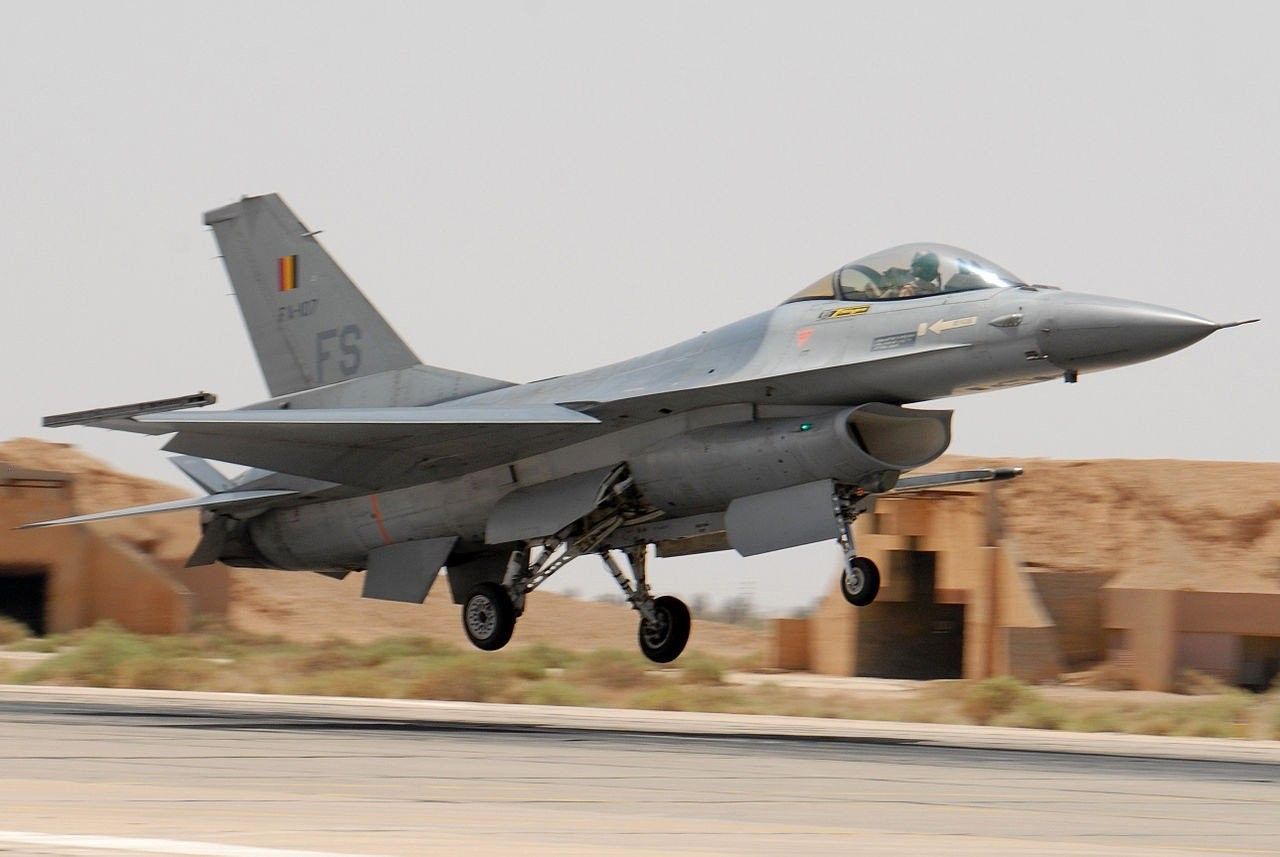
Energy is another central part of his argument. Ukraine’s experience shows that centralised energy infrastructure becomes one of the main targets in war. Russia has used missiles and drones to hit power plants, refineries and networks, causing blackouts and damage to civilian life. Zaluzhnyi’s conclusion is clear: energy security becomes part of national security, and protection of energy infrastructure becomes as important as protection of borders. This is highly relevant for Europe, especially after sabotage, cyberattacks and the weaponisation of energy by Russia.
He also emphasises the importance of international support and diplomacy. For Ukraine, external support is not only about weapons. It keeps the economy functioning, limits Russia through sanctions and builds the political front needed to continue the war. At the same time, Russia constantly attacks that support by trying to undermine trust in Ukraine. This is a lesson for NATO as well: alliances are not automatic. They must be maintained politically every day.
Where I would be careful is in treating the Ukrainian conclusion as directly transferable to every Allied state. Ukraine’s war is existential. For Kyiv, compromise may mean the destruction of statehood. For a NATO member, crisis management, escalation control and alliance politics would look different. The Ukrainian experience is therefore not a complete doctrine for NATO, but it is probably the most important warning Europe has received since 1945.

The right way to read Zaluzhnyi is not to say that every NATO country should become Ukraine. The right conclusion is that NATO countries should learn from Ukraine precisely so that they do not have to pay the same price. This means preparing society, protecting infrastructure, developing drone and anti-drone capabilities, building reserves, hardening energy systems, strengthening information resilience and avoiding grey zones in European security.
Ukraine wants to be in NATO, and the text should also be read through that lens. Kyiv is showing that it has experience, doctrine and battlefield knowledge that may be valuable for the future of European security. But it is still the perspective of a country outside the Alliance, fighting Russia directly and paying for its lessons with blood. That makes the text powerful, but also specific.
All in all, Zaluzhnyi’s article should be taken very seriously, because Ukraine understands Russia better than almost any other European state today. But NATO cannot copy Ukraine mechanically. It must extract the lessons, adapt them to Allied realities and act before war forces those lessons on the Alliance. Ukraine is showing Europe what modern war looks like. NATO’s task is to make sure this experience becomes preparation, not prophecy.


