












- KOMENTARZ
- WIADOMOŚCI
- WAŻNE
Lavrov sidelined in Moscow?

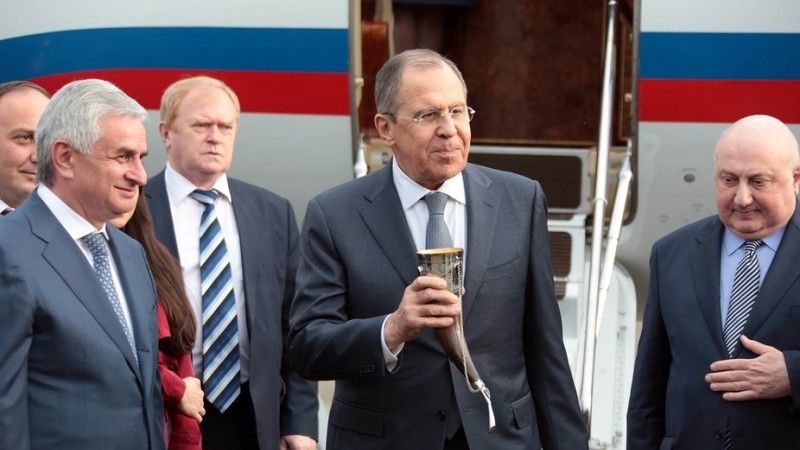
Sergey Lavrov’s absence from the latest Security Council meeting and his removal as head of Russia’s delegations to the G20 and ASEAN summits reveal a visible shift in the Kremlin’s power dynamics. Once a key architect of Moscow’s foreign policy, Lavrov now appears sidelined as President Vladimir Putin consolidates control over diplomatic decision-making.
For the first time in decades, Lavrov did not attend a Security Council session chaired by Putin — an absence officially described as „coordinated”. Yet the simultaneous transfer of his duties to Maxim Oreshkin and Alexey Overchuk, both technocrats from the presidential administration, suggests more than routine rotation. The Kremlin appears to be tightening its grip on international representation, reducing the foreign ministry’s independence in shaping narratives abroad.
Lavrov’s fall follows the cancellation of a planned meeting between Putin and US President Donald Trump in Budapest. Reports indicate that a tense exchange between Lavrov and US Secretary of State Marco Rubio, alongside a Russian memorandum on Ukraine perceived in Washington as „maximalist”, triggered frustration within the Kremlin. Some insiders now accuse Lavrov of mishandling the episode — or even undermining Putin’s diplomatic agenda.
In Moscow’s power vertical, mistakes are rarely forgiven. Lavrov, once seen as an unshakeable figure, now faces the same isolation that preceded the decline of former Defence Minister Sergei Shoigu. The reassignment of G20 and ASEAN roles to lower-ranking officials reflects both Moscow’s diplomatic fatigue and Putin’s effort to prevent any single minister from becoming indispensable.
Lavrov’s apparent marginalisation may mark the fading of Russia’s last professional diplomatic voice. His removal from key forums signals a new phase in which loyalty outweighs expertise, and foreign policy becomes an extension of domestic power politics. For Russia’s diplomacy, this is not simply a personnel change — it is a transformation of purpose.


