- WIADOMOŚCI
Maneuvers near the South China Sea. Beijing responds

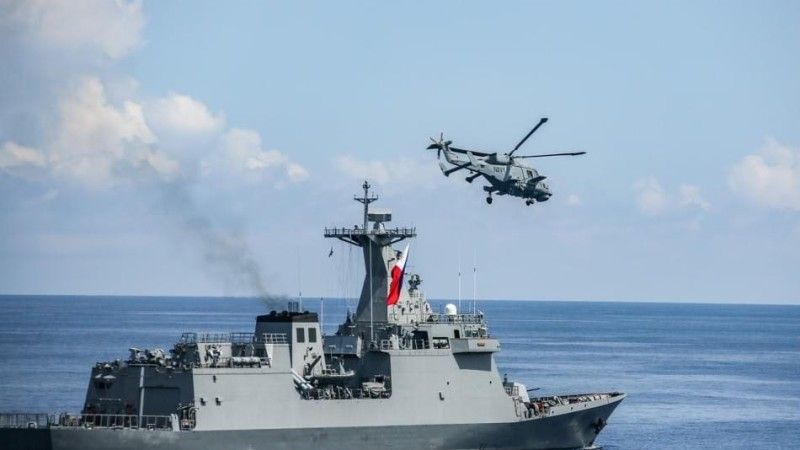
The United States and the Philippines have launched one of the largest joint military exercises in history, involving units from multiple countries. The drills are taking place amid strong disapproval from China and heightened tensions in the region.
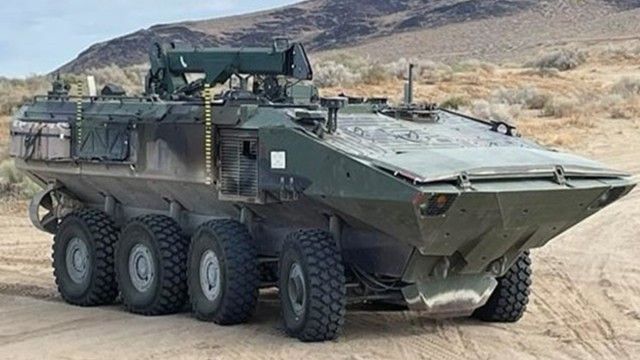
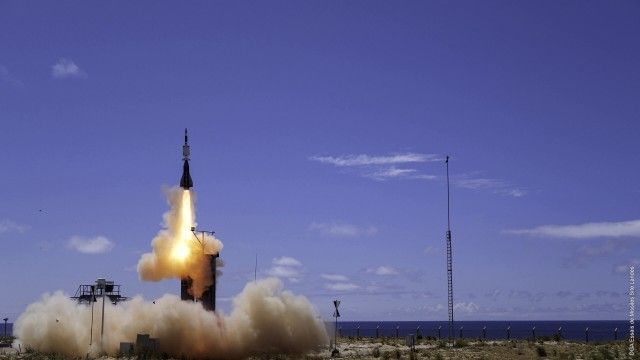
The exercises, codenamed Balikatan, will last for 19 days and involve approximately 17,000 troops. Operations will be conducted in provinces on the northern island of Luzon, near Taiwan and disputed areas of the South China Sea. In addition to the United States and the Philippines, active participation will come from French, Canadian, Australian, New Zealand, and Japanese forces. Japan is taking part in the maneuvers in an active combat role for the first time, having previously limited its involvement to humanitarian assistance. This year, Japanese forces are expected to launch missiles to sink a simulated enemy vessel on the outskirts of the South China Sea.
See also 

“Regardless of challenges in other parts of the world, the United States’ focus remains on the Indo-Pacific region, and our ironclad commitment to the Philippines remains unwavering,” declared Gen. Christian Wortman during the opening ceremony. Gen. Romeo Brawner, commander of the Armed Forces of the Philippines, emphasised that the goal of the exercises is to build deterrence capabilities and to “defend international law.”
News of the drills’ commencement did not go unnoticed in Beijing. Chinese Foreign Ministry spokesperson Guo Jiakun stated that military cooperation should not undermine trust and stability in the region or be directed against third countries. He also warned against “blindly engaging in security matters,” which, he said, “will have the opposite effect.”

The Balikatan exercises are clearly aimed at China, which claims sovereignty over most of the South China Sea. The region regularly witnesses incidents between Chinese and Philippine vessels. The issue of China’s territorial claims over Taiwan also remains unresolved. The maneuvers therefore serve as a show of force by nations opposing any potential Chinese aggression toward Taiwan.