- WIADOMOŚCI
Sweden’s bold bet on Ukraine’s NATO future

There’s a particular kind of credibility that comes from putting money where your mouth is. Sweden has it.
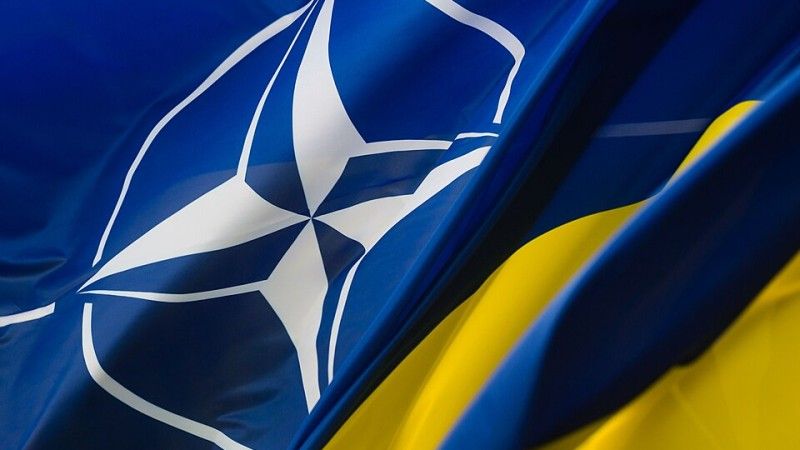
Last Friday, at the GLOBSEC Forum held in Prague, the Swedish Minister of Defence Pål Jonson advocated the idea of Ukraine joining NATO eventually in quite an uncompromising manner. „All European countries should have the right to join NATO if they meet the requirements,” he said. „No one should have a veto over that. This is our position.”
The numbers behind the rhetoric
That word – „position” - matters. It’s not about aspiration, it’s also not about hope. Jonson’s statement didn’t come out of nowhere. Sweden’s total military support to Ukraine, as of February 2026, amounts to approximately SEK 103 billion – roughly $9.5 billion. In 2024, Stockholm committed €6.5 billion in military support structured across 2024-2026, designed to give Ukraine predictability quarter by quarter – a rarity among donors.
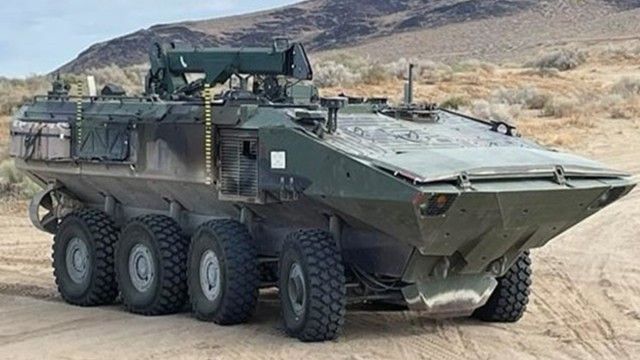
The hardware list is serious, because it includes Archer artillery systems, CV90 combat vehicles, aviation and air defence assets, armoured vehicles, mine clearance assistance, and drones. The latest package, announced in February 2026, focuses on air defence and includes an expansion of a cooperation project on long-range drones. For a country of ten million people, that’s not symbolic solidarity – that’s a strategic bet.
The argument Jonson is making
The political pitch is equally pointed, Jonson didn’t frame Ukraine’s NATO bid as a burden to be managed – he framed it as an asset Europe would be foolish to waste.
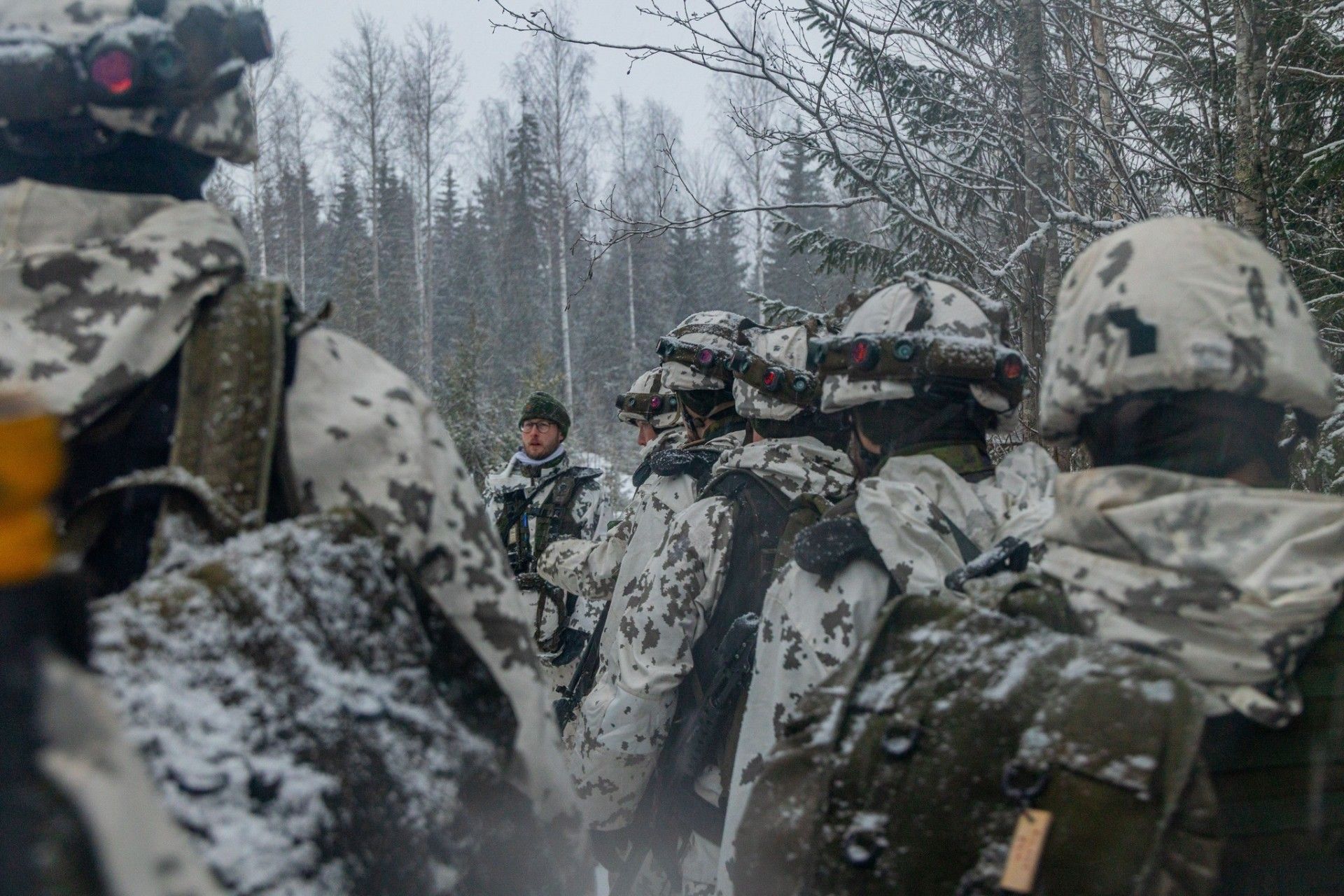
„Where else in Europe can we find 110 brigades?” he asked in Prague. „Where else in Europe can we find such an innovative system as the one Ukraine has created? Where else can we find such industrial potential?”
He also pointed to something underappreciated in Western capitals: Ukraine’s defence market has become one of Europe’s most agile. Since the Russian full-scale invasion, Kyiv liberalised, privatised, and introduced competition in the defence industry, enabling Ukraine to expand weapon manufacturing at a speed unmatched by any NATO member in peacetime. The reality is simple: the Western alliance will be obtaining a combat-tested fighting machine and not a burden.

Where the consensus stands and where doesn't
Jonson is not alone in this view. Nevertheless, Mark Rutte, NATO Secretary General, tries to play down the hopes, as the membership is resisted by Germany, Slovakia, Hungary, and the US. Only in March 2024, Sweden entered NATO, thus ending two centuries of its official neutral status. So, Stockholm knows very well what this decision means, that is why it can make claims. The gap between Sweden’s position and the alliance’s current consensus is real but in NATO, positions have a way of becoming consensus – eventually.