












- ANALIZA
- WIADOMOŚCI
Aurora 26 rewrites Sweden's role in NATO

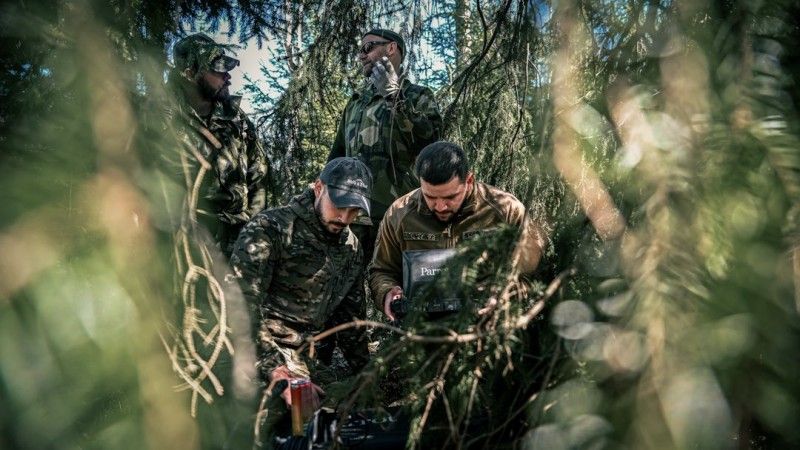
Photo. Försvarsmakten / X
Sweden’s armed forces mission has changed dramatically since the country joined NATO in 2024. The goal is no longer solely to defend its own territory in the event of an invasion, but to defend the Alliance as a whole — as demonstrated by the ongoing Aurora 26 exercise.
Running from 27 April to 13 May, Aurora 26 is the largest annual military exercise conducted by Sweden. This year’s edition involves approximately 18,000 troops — from the army, navy, air force, and Home Guard — and 13 different countries.
Aurora 26 focuses on several key areas: host nation support, building capacity in response to the growing threat from Russia, cooperation with Ukraine, and Gotland operations.
See also 

Aurora 26: from national to collective defence
One of the most significant differences between Aurora 26 and its previous editions is the emphasis on developing host nation support capabilities and a more holistic approach to defending the Alliance as a whole, rather than focusing exclusively on exercises related to Sweden’s own defence — as highlighted by Rear Admiral Jonas Wikström, director of Aurora 26.
This shift signals that Sweden takes seriously its new role within the Alliance, along with the development of interoperability and operational harmonisation.
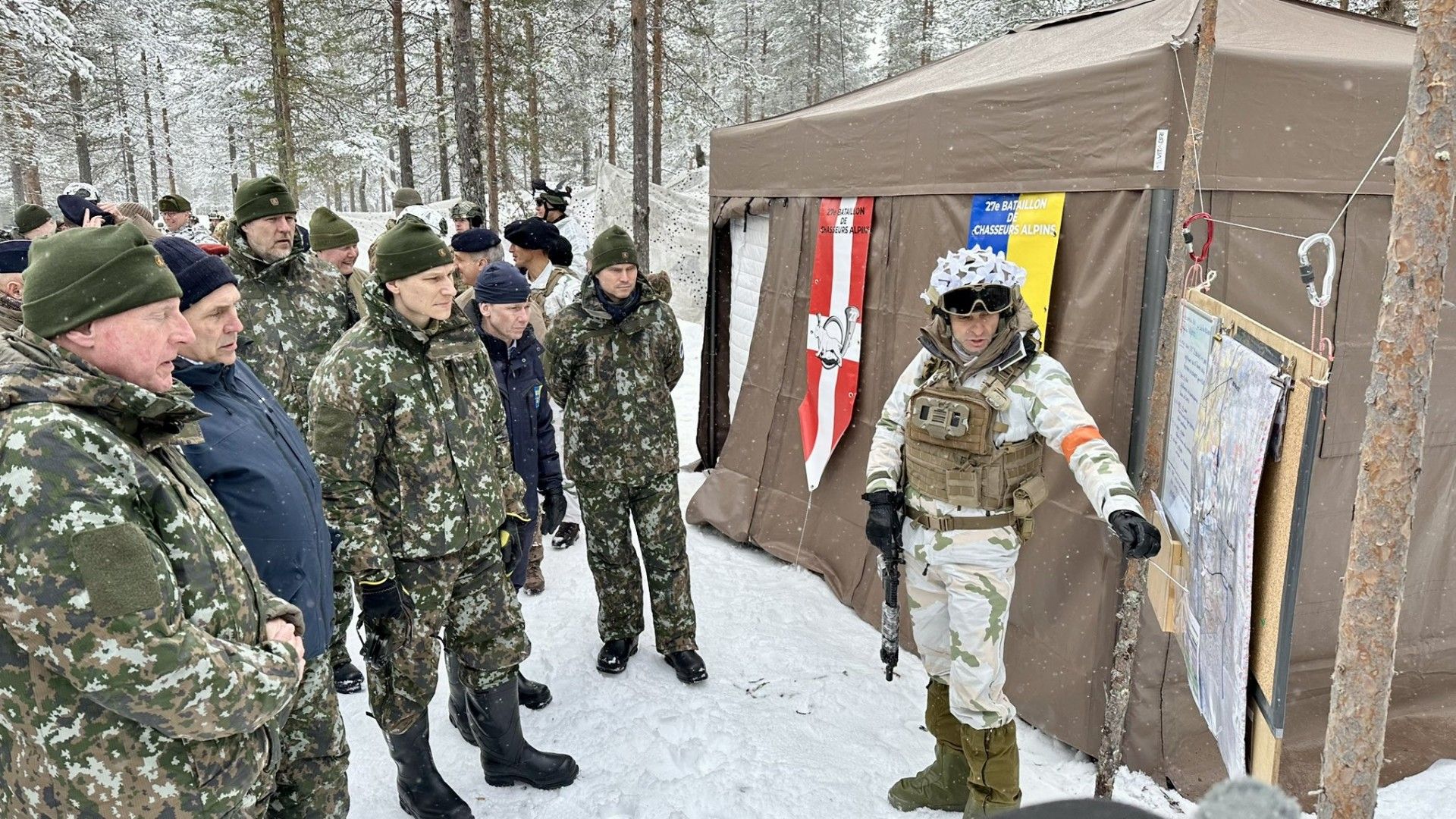
Host nation support, Gotland, and Ukraine
Key elements of the exercise include logistics — covering accommodation, catering, and fuel supply — as well as military mobility, understood as the movement of military equipment to and from Swedish territory.
One of the most important aspects of Aurora 26 is the exercise on Gotland — a Swedish island in the Baltic Sea — in which 1,300 troops from the United States, the United Kingdom, Denmark, and Ukraine will participate. Due to its central location in the Baltic, the island is regarded as one of the key control points of the entire maritime region. The concluding phase of the exercises is scheduled for 11 May and will involve combined combat operations in this area.
See also

In addition to NATO members, Ukrainian drone operators will also take part in Aurora 26. At the Unmanned Aerial Systems Centre in Karlsborg in central Sweden, they will bring invaluable frontline experience. During the exercises, they will act, among others, as an opposing force against allied troops — the so-called „red teaming.”
Critics frequently point to NATO’s limited effectiveness, stemming from the need to integrate the armed forces of dozens of nations with different weapons systems, command structures, and strategic cultures. Aurora 26 is a response to that criticism — providing a platform for meaningful improvements in interoperability. Rear Admiral Jonas Wikström emphasises that the diversity of allies is an asset, not a weakness — but it has to be harrnessed through an effective coordination.

Sweden: Russia as the primary threat
Rear Admiral Jonas Wikström stated: „In our immediate region, Russia represents the fundamental threat. It is Russia’s war of aggression against Ukraine that has brought us to the most serious security situation since the Second World War, and the threat from Russia requires us to increase our defence capabilities.”
The 2026 edition of Aurora stands as further evidence that Sweden — a country that for decades upheld a policy of neutrality — has emerged as one of NATO’s most committed members, unequivocally identifying Russia as the Alliance’s most immediate threat and systematically forging the capabilities needed to confront it — collectively, and shoulder to shoulder with its allies.

Death of neutrality
Aurora 26 is not only Sweden’s largest military exercise, but also a symbolic and practical embodiment of the transformation Sweden has undergone since 2024. A country that once approached alliance commitments with considerable caution today actively co-creates collective defence, and cooperates with countries outside the direct alliance structures, such as Ukraine.
What signal, then, does Aurora 26 send? Neutrality is the past, and Sweden’s security lies where the Alliance’s security lies. For this reason, further strengthening cooperation between Sweden and its fellow NATO members is not merely advisable — it is essential.


