PURL: Trump unlocks the arsenals for Ukraine – but who will foot the bill?

The Dutch Ministry of Defence has announced the first aid package for Ukraine under the new PURL initiative, which is being co-ordinated by NATO. The unveiling also shed light on the initiative itself.
PURL—short forPrioritised Ukraine Requirements List—is a fresh assistance mechanism for Kyiv devised by US President Donald Trump and NATO Secretary-General Mark Rutte back in July. Under its terms, Ukraine may draw on equipment held in US Army stockpiles, provided that European allies cover the costs.
Crucially, PURL does not replace existing US aid funds approved by Congress in 2024; it supplements them. The chance to tap into American reserves (and probably fast-track orders with US industry) matters because Kyiv can obtain kitoff the shelf rather than waiting years for standard export deliveries.
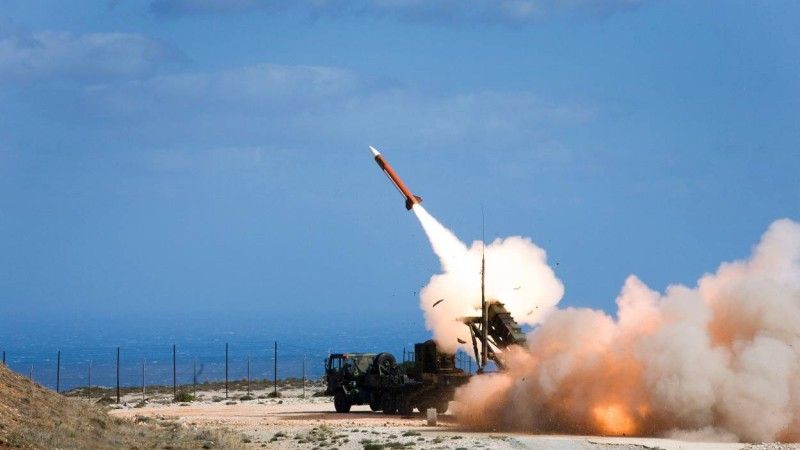
The Netherlands has chosen to finance the entire first PURL package: for €500 million (just over US $570 million, or about 2.1 billion złoty) Ukraine will receive Patriot-system ammunition and additional matériel. Two more packages are slated for later this month, with further batches every two to three weeks. The aid parcels will focus chiefly on air-defence equipment, ammunition and related components.
Ukrainian Defence Minister Denys Shmyhal noted that individual consignments are agreed on the basis of Ukrainian requests and then approved by the top US and NATO commander in Europe. NATO structures will oversee the whole initiative. European countries will contribute voluntarily, though the schedule—US $1 billion in the first month and roughly US $750 million each month after—is ambitious.
Launching this new aid channel is a vital step in supporting Kyiv against Russian aggression. It will not, of course, resolve issues such as Ukraine’s manpower reserves or the impact of technological advances, but it does mean Moscow can no longer assume it can simply „wait out” previously approved US assistance (for example, Patriot missiles) and strike hard once Ukraine runs short of equipment.
It is also worth noting a shift in the Trump administration’s stance. Although the kit is being financed by allies—chiefly the wealthy states of Western Europe that have long built social-security systems under America’s deterrent umbrella—deliveries to Ukraine are being treated as a priority. That marks a clear departure from parts of the Pentagon leadership not long ago, who sought to delay even pre-approved shipments.
Finally, NATO’s involvement is crucial. Aid is being delivered in co-ordination with Alliance headquarters and on a multilateral, rather than purely bilateral, basis, even if not every ally participates. It is yet another sign that NATO’s structures are making a robust contribution to the security of our region.