












- ANALIZA
- WIADOMOŚCI
Putin's diesel: Can it change prices around the world?

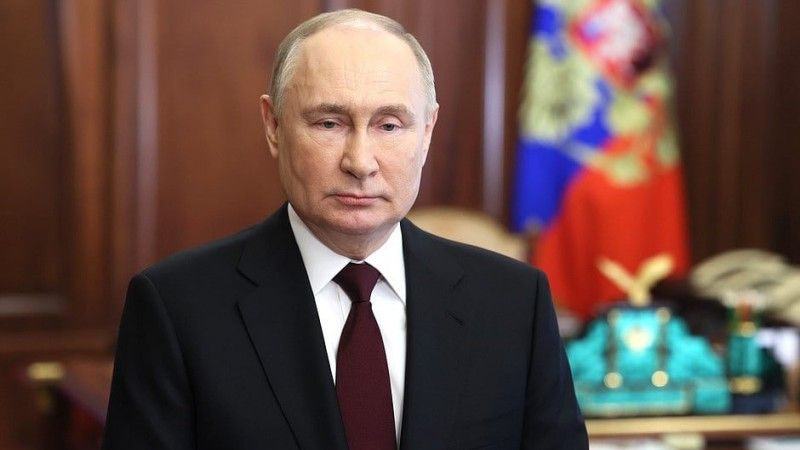
Donald Trump has reached an agreement with Russia regarding diesel fuel supplies. He is attempting by all means to lower global diesel prices, placing the blame for price hikes on Ukraine. Can the agreement actually influence prices? This issue is explained by an expert from the Reflex company.
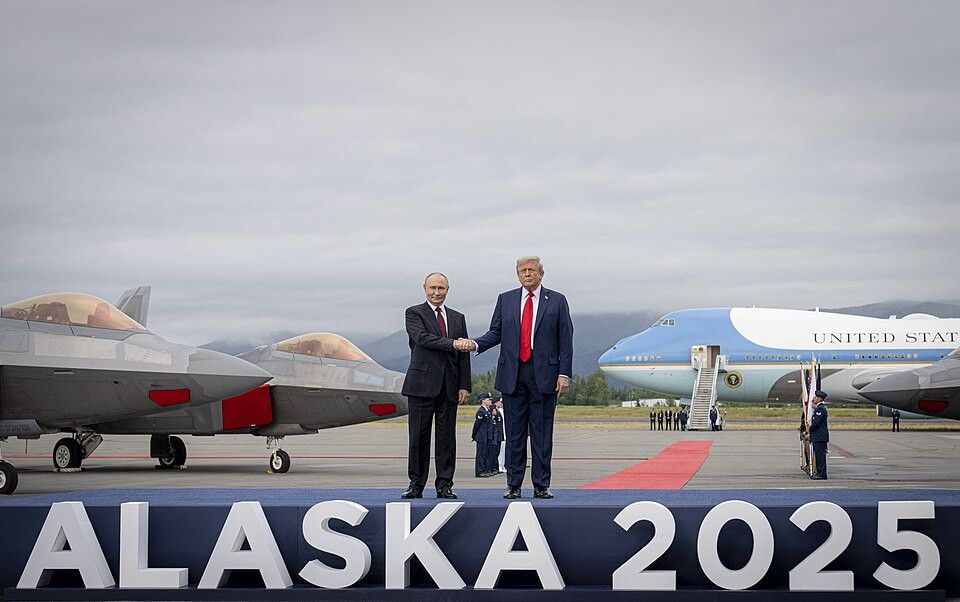
On 9 October, Donald Trump announced that he had reached an agreement with Russia over diesel fuel supplies. From 10 October, Moscow partially lifted the export ban on this fuel, which it had introduced in July and extended several times in response to limited production capacity and supply problems following Ukrainian attacks on oil refineries. How can the supply of Russian fuel affect global diesel prices? Does the Kremlin have the production capacity to fulfil the promised deliveries? Rafał Zywert, Director of the Forecasting and Analysis Department at Reflex, answered these questions in an interview with Energetyka24.
See also 
A drop in the diesel ocean
The US President agreed with Russia on an „immediate” delivery of 300,000 tonnes of diesel, 500,000 tonnes in November, and „thereafter immediately” another million tonnes. In total, Russia has committed to delivering 4.8 million tonnes of diesel fuel. According to the Energy Information Administration (EIA), in 2025, diesel consumption in the US transport sector alone was approximately 2.94 million barrels per day (about 400,000 tonnes).
As Rafał Zywert stated, before the intensification of Ukrainian attacks on Russian refineries, Russia exported approximately 3.5 million tonnes of diesel per month to global markets and remained the world’s second-largest diesel exporter after the United States. The first announced deliveries are therefore very small amounts compared to what was being exported as recently as spring – approximately 8% and 14% of the average monthly export.
Currently, refinery capacities in the country are limited by about 40% due to Ukraine’s attacks. Russian Deputy Prime Minister Alexander Novak claims that Moscow is capable of restoring them by the end of the year; however, this depends on the intensity of further Ukrainian attacks. According to the Reflex expert, if Ukraine continues to systematically attack Russian refineries, a return to the target export level – 3.5 million tonnes of diesel per month – seems doubtful. At one point, refinery production was even reduced by 60%, and currently by 40%. „Perhaps these first, small deliveries will be completed, but a return to full deliveries may be impossible, and it certainly will not happen in October or November, especially if Ukraine continues to attack oil infrastructure with such success,” the director of the forecasting and analysis department emphasised.
However, the delivery of 300,000 tonnes is a drop in the ocean, the analyst noted. Monthly diesel supplies are at a level of about 23–25 million tonnes, and such a single delivery will contribute little to the global balance. In fact, there is no possibility that they will affect fuel prices on global markets. Despite the announcements of deliveries, prices do not seem to be reacting. Diesel prices on the ARA market remain high, just below the records set in September this year.

A carrot for Putin?
According to Chris Wright, the US Secretary of Energy, the diesel export agreement is intended to be a form of pressure on Russia. As Wright stated in interviews with ABC and CNN, for Russia to export diesel, it would have to start complying with the conditions of the energy truce proposed by the US and stop attacking Ukrainian energy facilities, as a result of which Ukraine could halt attacks on the Russian oil sector, allowing Moscow to rebuild its production capacity. „For Russia to be able to export diesel, it must scale back its war effort and make progress towards peace,” the Secretary explained. In his view, the agreement is meant to be a „carrot” for Putin to „tone down” the war.
After Ukraine intensified attacks on Russian refineries, the Kremlin introduced an export ban on diesel, among other fuels. Just before the agreement with the US was reached, the Russian government extended the ban for producers until the end of October. For non-producing entities, the ban on exporting diesel and petrol was introduced until 31 January 2027. The restrictions were implemented to manage the situation on the domestic market, where fuel shortages and high prices prevailed.
According to Rafał Zywert, the ability to carry out diesel exports without issues is a doubtful argument for Russia to lean towards negotiations and end the war. Crude oil remains the main export product, although trading it is also becoming problematic – deliveries are mainly carried out to the Asian market via the Black Sea. Recently, they were reduced by about 30% due to drone attacks and rising insurance costs.

Magnanimous Donald Trump
In September, diesel prices in the US reached record levels. According to American Automobile Association data, on 22 September 2026, a gallon of diesel cost $6.5276, while a year earlier its price averaged $3.68. The US President is keen to lower diesel prices ahead of the midterm elections to Congress scheduled for 3 November.

Donald Trump alleges that the price increases result from Ukrainian attacks on Russian oil refineries – and in his view, the US war with Iran, which began with Israel’s attack in February 2026 and led to the blockade of the Strait of Hormuz, has no major impact on them. In his opinion, Ukrainian President Volodymyr Zelenskyy is unnecessarily prolonging a war that he could have ended long ago.

Trump also decided to waive the imposition of sanctions and tariffs against Russia resulting from the so-called Lindsay Graham Act, citing „national interest”. The act allowed the president to impose tariffs of up to 100% on goods from countries in the top five largest importers of Russian oil and gas, as well as on countries enabling the circumvention of sanctions on Russian hydrocarbons. The decision was criticised by both Democrats and Republicans.


