












- KOMENTARZ
- WIADOMOŚCI
- WAŻNE
Record-breaking arms boom revealed in new SIPRI report

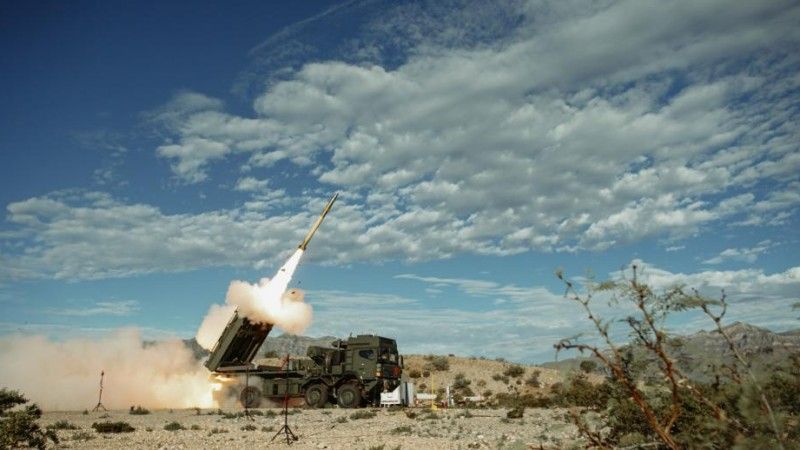
Global arms manufacturers are entering a period of rapid expansion, with SIPRI reporting record revenues, accelerating military modernisation, and surging demand driven by geopolitical tensions and ongoing conflicts.
The latest Stockholm International Peace Research Institute (SIPRI) report on the world’s 100 largest arms manufacturers shows a marked acceleration in global arms growth. In 2024, the combined revenues of the Top 100 companies reached a record high of nearly $679 billion, up 5.9% year-on-year. SIPRI indicates this is the most substantial increase in several years, driven by rising geopolitical tensions, Russia’s war against Ukraine, and the rapid modernisation of armed forces in many countries. Growing orders, particularly in Europe and North America, are forcing companies to expand production capacity and invest in technological development.
Europe, excluding Russia, recorded one of the highest revenue growth rates across the entire ranking. According to SIPRI, the revenues of European companies in the Top 100 increased by a staggering 13%, reaching over $150 billion. This is due not only to high domestic demand but also to growing export orders driven by global demand for modern defence systems. At the same time, the report emphasises that the industry is facing supply chain constraints, particularly for critical raw materials, as well as rising labour and energy costs. This hinders the rapid scaling of production, despite a record order portfolio.
Despite strict international sanctions and disrupted access to key components, Russian manufacturers saw their arms revenues grow sharply. Rostec and United Shipbuilding Corporation together generated around $31.2 billion—an increase of nearly one quarter. The spike was fuelled by strong domestic demand, which compensated for a decline in foreign sales. Experts warn, however, that persistent shortages of qualified workers could slow future production and hinder technological progress. Even so, Russia’s defence sector has demonstrated an unexpected level of resilience during the war in Ukraine, challenging many earlier forecasts.
In this dynamic environment, Poland’s growing role as a country intensively modernising its armed forces and developing its own defence industry is also clearly visible. The position of the Polish Armaments Group (PGZ), which advanced to 51st place on the ranking, is particularly noteworthy. According to SIPRI data, the group’s revenues reached approximately $3 billion in 2024, an increase of more than one-third compared to the previous year. This dynamic growth is a consequence of both growing domestic orders for missile systems, ammunition, and artillery equipment, among other products, and the increasing presence of Polish products in foreign markets.
The latest SIPRI report presents a general picture of the global defence industry, which is entering another phase of intensive growth. Growing defence spending, greater demand for modern equipment, and a changing security environment are making the defence industry a key economic sector worldwide. This indicates a long-term trend toward strengthening national defence capabilities and the growing role of arms production in international politics, regardless of regional or structural differences between individual markets.
The full report: Link


