












- WIADOMOŚCI
US weapons prioritized for selected partners: Pentagon created a list

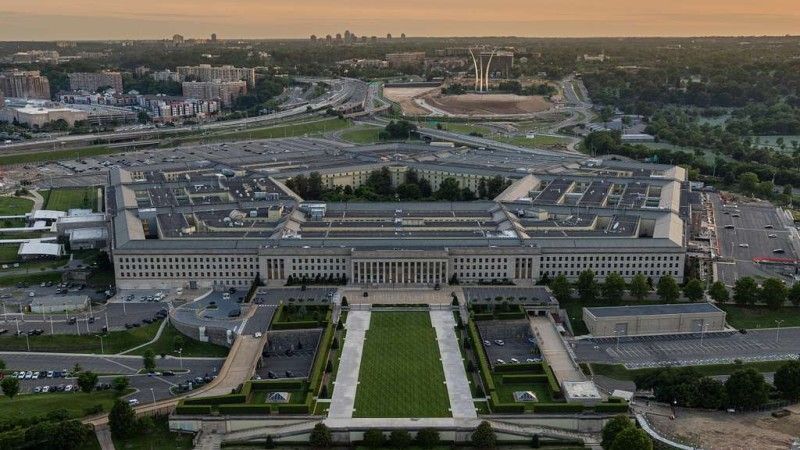
Photo. US DoD
The White House announced the establishment of the „America First” Arms Transfer Strategy. The document sets directions for the export of U.S. military equipment and organizes sales policy toward US allies.
On Friday, February 6, a new U.S. strategy for selling weapons abroad was officially announced (orig. America First Arms Transfer Strategy). „As the first strategy of its kind, it will ensure that future arms sales will prioritize American interests, using foreign purchases and capital to build American production and production capacity,” reads the introduction to the document.
Sales priority
In short, the U.S. administration wants the United States to skillfully use its „comparative advantage in arms transfers,” and for that advantage to be not only a tool of foreign policy but also a tool for expanding domestic production capacity. Further part of the document reads that the United States will use foreign purchases and capital to support domestic reindustrialization, increase production capacity and strengthen the resilience of the U.S. defense industrial base, which — according to the Wall Street Journal — foresees, among other things, a significant increase in U.S. ammunition production.
The order will also call on the Pentagon to cooperate with other departments to create a catalogue of „priority sales,” which will involve encouraging allies to purchase specific U.S. weapons. The Secretary of Defense has been instructed to prepare this catalogue within the next four months.
Keeping allies in mind
The executive order signed by President Trump also concerns cooperation with foreign partners, including Foreign Military Sales (FMS). The document states that some priority in this respect will be given to partners who „have invested in their own military defense.”
The document states that the United States will prioritize the sale and transfer of arms to partners who have invested in their own defense and capabilities, play a key role or have geographic significance in U.S. plans and operations, or contribute to our economic security, which in the context of allies invokes the theme of „increasing burden sharing,” a direct reference to the U.S. National Defense Strategy and so-called „burden sharing.”


