












- WIADOMOŚCI
Not just oil. What else flows through the Strait of Hormuz

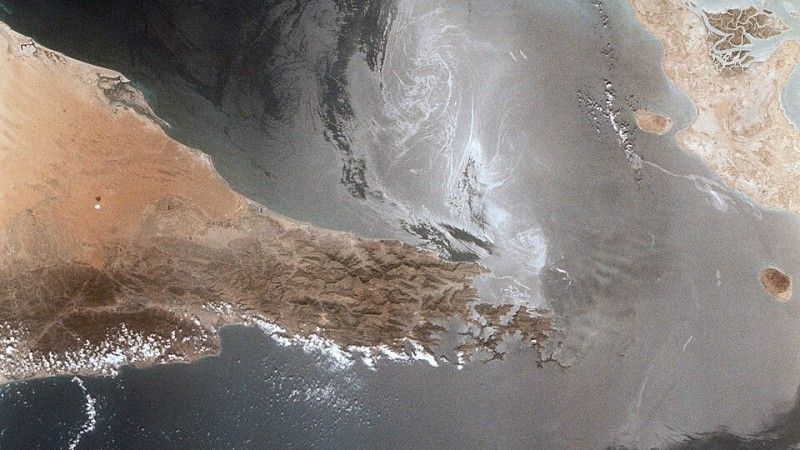
In connection with the blockade of the Strait of Hormuz, a gradual increase in oil prices on the market has been observed. However, oil is not the only commodity transported through this route, and as it turns out, for the Gulf states it is not even the most important one.
The blockade of the strait threatens food supplies to the Gulf states. Food reaches the region primarily via this route. Estimates indicate that Saudi Arabia imports about 40 percent of its grains and oilseeds through its eastern ports on the Persian Gulf. The situation is even more severe in the United Arab Emirates, which import around 90 percent of these goods through the seaport in Dubai. Bahrain and Qatar also import food and perishable goods via this route.
The Gulf states also serve as transshipment hubs for other countries. For example, the United Arab Emirates receives goods and re-exports them to Yemen, Sudan, and Somalia.
Food supply issues will not spare Iran itself either. Although the country cultivates part of its food for domestic use, a significant portion of its grains and oilseeds is imported by sea—primarily corn, soybeans, and wheat.
See also 

According to analyst Christian Henderson from Leiden University, “the Gulf states are highly dependent on imported food.” He added that with the blockade of the Strait of Hormuz, a direct threat to food security in the region has emerged.
On March 3, Iran banned the export of food and agricultural products in response to the blockade of the strait. According to Iranian officials, the country’s strategic reserves contain 4 tons of wheat, which should last for four months. Trade experts from the United Nations Food and Agriculture Organization (FAO) report that Iran imports wheat from Russia and rice from Pakistan.


