












- WIADOMOŚCI
Ambushed in the Oval Office: How Trump sidelined Merz

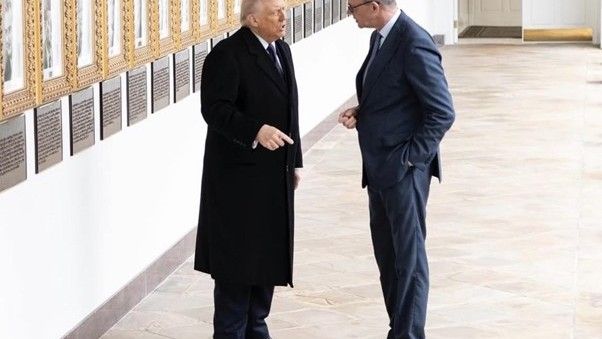
Photo. source: Instragram @Bundeskanzler
Germany’s Chancellor arrived focused on Ukraine and trade. But Trump hijacked the visit for his Iran war, offering a brutal reminder of Europe’s fading geopolitical influence.
German Chancellor Friedrich Merz traveled to Washington hoping to discuss Ukraine, tariffs, and the future of the transatlantic partnership. Instead, he found himself sitting in the Oval Office while Donald Trump used the occasion to defend recent US-Israeli strikes on Iran. With Washington offering conflicting explanations for the escalating conflict, Berlin was left with virtually no room to shape events.

This power imbalance was evident from the outset. Merz was the first European leader to meet with Trump since the weekend strikes on Iran that killed Ayatollah Ali Khamenei. Prior to the trip, Berlin had signaled an understanding of US and Israeli objectives without offering a full endorsement. In Washington, the atmosphere remained cordial: Trump called Merz a friend, and Merz affirmed that both sides were aligned on the Iran issue. Yet, an agenda initially meant to focus on Ukraine, NATO, and trade tariffs was entirely overshadowed by a crisis that once again left Europe looking sidelined.
Europe’s marginalization became even more apparent when Trump used Merz’s visit as a platform to attack Spain. The US president criticized Madrid for refusing to allow the use of its military bases for the Iran campaign, going so far as to float the idea of an embargo against a fellow EU and NATO member. Following the meeting, Merz noted that he had privately reminded Trump that Spain cannot be targeted individually, as the European Union negotiates trade with Washington as a unified bloc.

When it came to Ukraine, Merz delivered his primary message only after the cameras were turned off. He stated that he urged Trump to increase pressure on Vladimir Putin, warning that Europe would not accept any peace settlement negotiated over its head. The chancellor did, however, secure one key reassurance: Trump reiterated that the United States would maintain its military presence in Germany. Ultimately, the visit was cordial rather than explosive, which is precisely what made it so revealing. Merz was not attacked, he was simply marginalized.


