












- WIADOMOŚCI
- WYWIADY
From Seoul with trust: Poland's closest ally in Asia

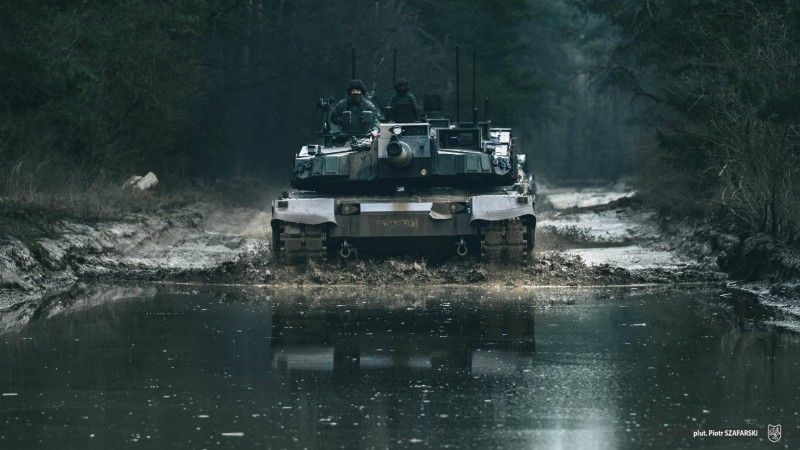
Photo. plut. Piotr Szafarski / Sekcja Prasowa 16 Pomorskiej Dywizji Zmechanizowanej
In just four years, Korea-Poland defence cooperation has moved from „Made in Korea” to „Made in Poland”. Dr. Aleksander Olech speaks with Tae Junyoul, Ambassador of the Republic of Korea to Poland, about the new Comprehensive Strategic Partnership, technology transfer, NATO’s eastern flank, and Korea’s view of the Indo-Pacific.
Dr. Aleksander Olech: Prime Minister Donald Tusk recently visited the Republic of Korea. How do you assess the outcomes of the visit, particularly in the context of strengthening Polish-Korean strategic cooperation?
Ambassador Tae Junyoul: On 12-13 April, Prime Minister Tusk visited Korea and this was the first official visit by the Polish Prime Minister in 27 years. During the visit, President Lee Jae Myung and Prime Minister Donald Tusk announced that the two countries would elevate their relationship to a Comprehensive Strategic Partnership. As the term implies, such a partnership conveys the commitment to further strengthen cooperation across a wide range of areas, including politics, economy, culture, and people-to-people exchanges, while expanding the scope of cooperation into comprehensive and future-oriented sectors such as high-tech industries, science and technology, space, energy, and infrastructure.
See also 

Let me highlight a few key achievements in detail. First, the two leaders reaffirmed their support for the steady implementation of defence contracts under the 2022 framework agreement. This will lay the groundwork for deeper mutually beneficial defence cooperation between our two countries.
Second, the two leaders emphasised the importance of increasing bilateral trade and investment, and of strengthening cooperation in supply chain resilience, critical minerals, and advanced technologies.
Third, amid rising uncertainty in the global economy and security landscape, the two countries agreed to enhance close coordination. Through this, Korea and Poland will strive to promote peace and prosperity in our respective regions while working together to jointly contribute to global peace.
Last but not least, the two leaders agreed to further expand cultural exchanges, including people-to-people interactions, so as to deepen the trust and friendship between our two countries.
The timeline of our diplomatic journey — from the establishment of diplomatic relations in 1989, maturing into a Future-Oriented Partnership (2004) within 15 years, and a Strategic Partnership (2013) to a Comprehensive Strategic Partnership (2026) — speaks volumes about the dynamism shared between Korea and Poland. This new chapter promises to be a significant springboard for a quantum leap in our mutual cooperation.

Defence cooperation between Poland and South Korea has intensified significantly in recent years. How does Seoul view the long-term development of this partnership?
Korea-Poland partnership in the defence industry reflects how far our two countries have come together. Put simply, it is based on trust and reciprocity.
I would like to start by outlining several characteristics that differentiate the defence industry from conventional industry sectors. These characteristics are defined by their direct link to national security, high entry barriers involving advanced technologies, long investment horizons spanning from development to commercialisation, and significant technological spillover effects driven by MRO services over a lifecycle of 30 to 40 years.
Now, let us take a closer look at the progression of the defence industry cooperation between our two nations. It began with the 2022 framework agreement, at a time when Russia’s incursion into Ukraine placed Poland in a difficult and urgent situation. Poland requested speedy delivery of defence equipment, and Korean defence companies rearranged their initial production schedules just to meet that need. Four years later, Korea and Poland are entering a new phase of defence cooperation, moving together from „Made in Korea” to „Made in Poland”.

Where is »trust« and »reciprocity«? Given that defence industry cooperation is inextricably bound to national security, it is unattainable without a foundation of trust. Furthermore, defence industry cooperation contributes to both countries« security, which in turn serves to generate a positive feedback loop that reinforces mutual trust.
Through technology transfer, Poland is able to acquire advanced technologies that Korea has developed through long-term investments over the past 50 years. Conversely, Korea has the opportunity to develop new, cutting-edge technologies while creating customised solutions tailored for Poland. By partnering on joint production and development, our two countries are now building a foundation to move beyond Poland and capture the European market together.
To sum up, despite the long cycles of the defence industry, Korea and Poland have achieved remarkable results in just 4 years. The more promising part is that our partnership is still thriving with the further implementation of the 2022 framework agreement and numerous areas of cooperation such as MRO. I look forward to continued defence cooperation between our two countries grounded in trust and reciprocity. The enduring defence partnership of Korea and Poland will stand as a benchmark for other nations.
A key topic in Poland is the localisation and „Polonisation” of Korean defence equipment. What concrete steps are being taken in this regard, and how does Korea approach technology transfer and industrial cooperation?
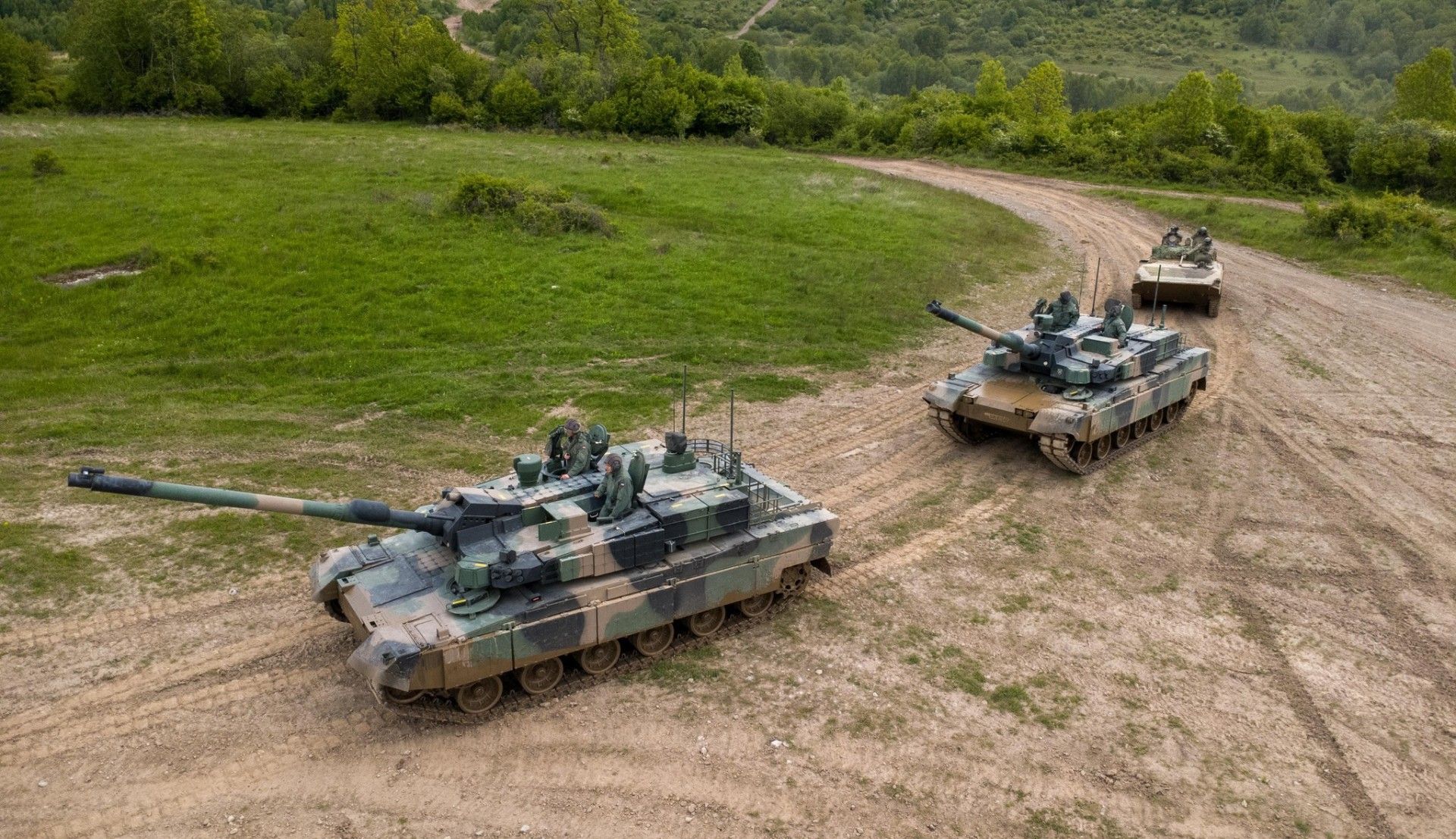
Let me walk you through a few examples. The Second Executive Contract for the K2 Main Battle Tanks, signed on 1 August 2025, represents a milestone as it mandates the very first production of the K2PL, the Polish-tailored variant of the K2. Following this contract, on 29 October 2025, Hyundai Rotem and the Polish defence entity Bumar-Łabędy finalised a technology transfer agreement. This accord facilitates the transfer of critical expertise regarding assembly, production, and MRO of the K2, K2PL, and related armoured vehicles. Building upon this momentum, a formal subcontract agreement was signed between Hyundai Rotem and Bumar-Łabędy on 27 April 2026. This marked the official formalisation of Bumar-Łabędy’s participation in the K2PL production framework, solidifying the participation of Polish industry in the fulfilment of the Second Executive Contract.
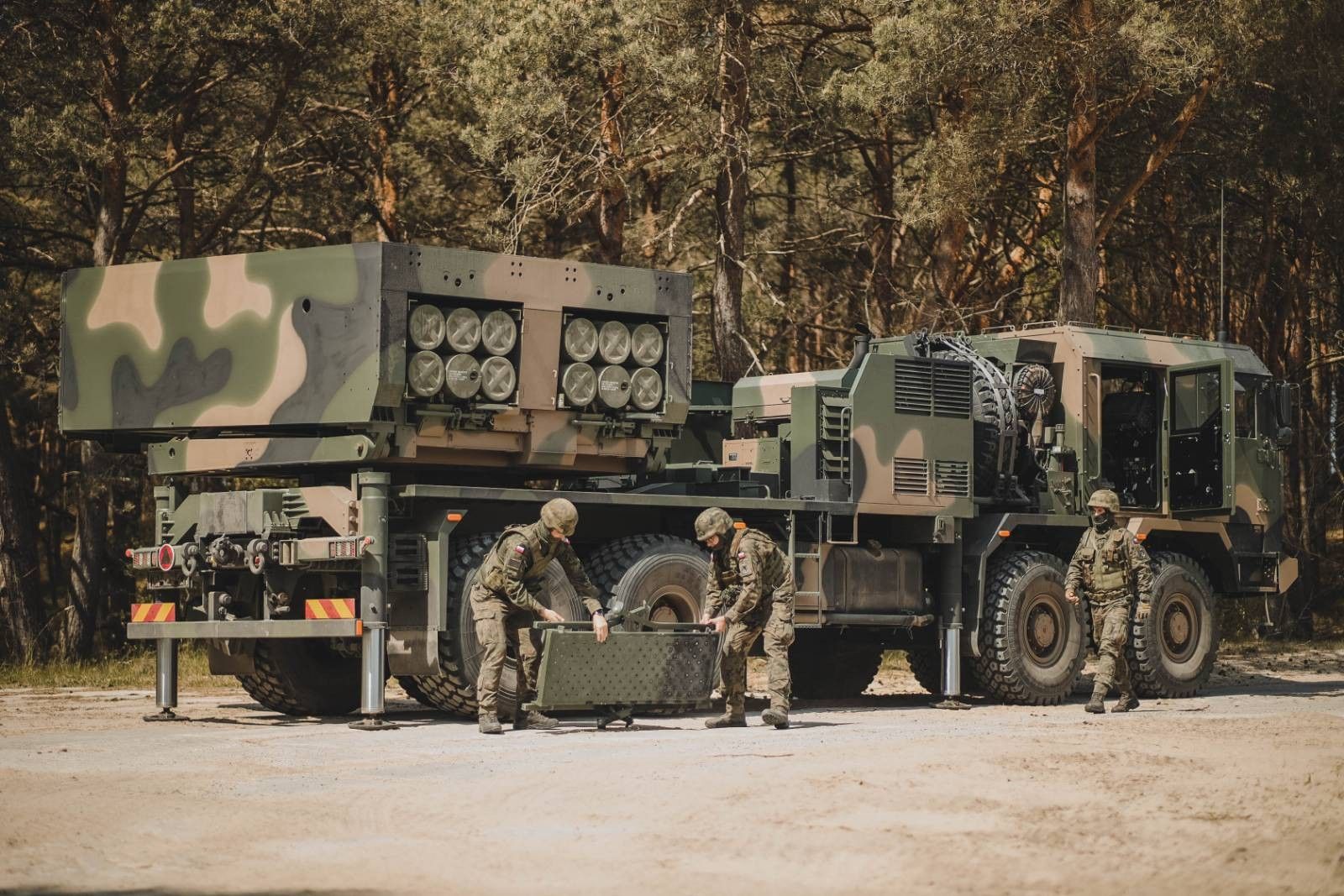
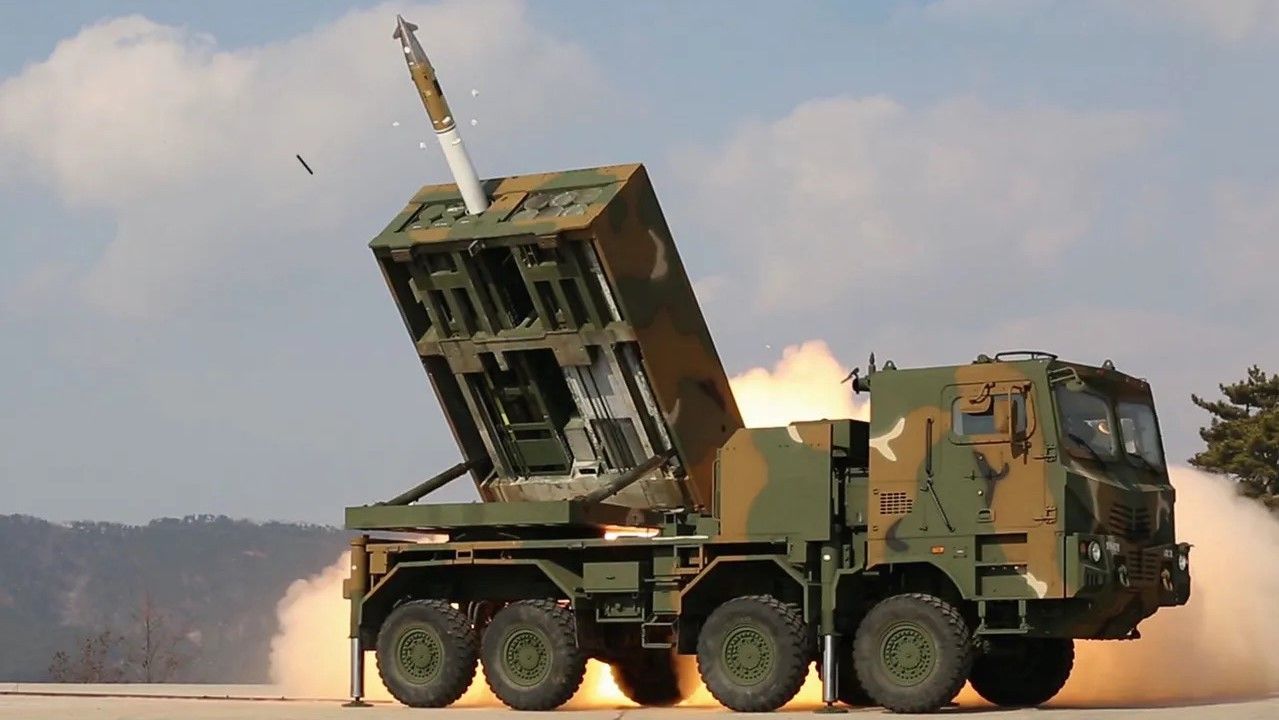
In parallel, Hanwha Aerospace entered into the Third Executive Contract with the Polish Armament Agency on 29 December 2025, for the supply of 80km-range guided missiles for Chunmoo Multiple Launch Rocket System. This contract was concluded through a consortium with Hanwha-WB Advanced Systems (HWB), a joint venture established in October 2025 between Hanwha Aerospace and the Polish defence firm WB Electronics. A dedicated HWB production facility is expected to be built in Poland, laying the foundation for localised manufacturing of Chunmoo guided missiles and further enhancing Poland’s sovereign defence capabilities.
These all serve as evidence that Korea-Poland defence partnership is not just words but is being put into action. Technology transfer and industrial cooperation demonstrate tangible results: the generation of employment in Poland and the enhancement of Poland’s defence capabilities. More than just these substantive outcomes, we are proud that our two countries« cooperation is making a meaningful contribution to strengthening the deterrence capabilities of both countries.
How does the Republic of Korea perceive Poland’s role within NATO and as a key security actor on the Alliance’s eastern flank?
At the June 2025 NATO Summit, member states reached an agreement to increase defence spending to 5% of their respective GDP. Poland is expected to be the most proactive and diligent in fulfilling this commitment. Also, as a frontline state on NATO’s eastern flank, Poland plays a pivotal role, as underscored by Prime Minister Tusk that „Poland is a forward base of NATO and the EU, and its borders are a shield for all of Europe”. We highly commend Poland’s efforts, which go beyond mere declarations to concrete actions, in safeguarding not only the security of Poland but also Europe, and the NATO alliance.
On a personal note, as Korea and Poland share similar geopolitical circumstances of proximity to great powers and historical experiences of invasion, Poland’s efforts to play a leading role in the field of security are particularly resonant.
Given the establishment of a Comprehensive Strategic Partnership between our two nations and the shared understanding between our two leaders that the security of the Korean Peninsula and Europe is closely intertwined, Korea and Poland will find numerous opportunities for cooperation within the NATO framework and the field of security, as Korea-NATO defence consultation mechanism has been launched in September 2025.
There have been reports regarding South Korea’s imports of Russian coal. How does the Korean government address this issue in the context of international sanctions and the broader geopolitical situation?
As a resource-scarce country, Korea relies heavily on imported energy, including coal. The ongoing conflicts in the Middle East highlight the importance of maintaining a stable global supply chain and diversifying energy sources, and thus, Korea’s priority is being placed on securing supply chains and enhancing industrial competitiveness. At the same time, Korea is pursuing a decarbonised green transition based on its target to reduce national greenhouse gas emissions by 53%-61% compared to 2018 levels, and aiming for a comprehensive shift to renewables from fossil fuel dependence, including the gradual phase-out of currently operating coal-fired power plants by 2040. In light of these complex circumstances, Korea is carefully managing its coal imports.
How does South Korea assess the current security situation in the Indo-Pacific, particularly with regard to tensions involving China and Taiwan? In the event of a crisis in the Taiwan Strait, how does Seoul see its role and responsibilities, both regionally and in cooperation with allies?

The Lee Jae Myung administration, proclaiming a policy of pragmatic diplomacy, adopts a rational approach to protecting and enhancing national interests based on a clear-eyed perception of the uncertainties in the international landscape.
Such pragmatic diplomacy can be clearly observed in relations with neighbouring major powers, namely the United States and China. For the past 72 years, the ROK-US alliance has contributed to the peace, stability, and prosperity of the Korean Peninsula and the region. Building upon these achievements, the alliance is now deepening and evolving into a Future-oriented Comprehensive Strategic Alliance. Meanwhile, China is a neighbour, one of Korea’s top trading partners, and a country with significant influence over North Korea and the Korean Peninsula; as such, it is a partner with whom Korea must maintain a principled yet constructive engagement. On this basis, Korea is strengthening ROK-US-Japan cooperation grounded in a solid ROK-US alliance, while simultaneously developing the ROK-China Strategic Cooperative Partnership to practically benefit the lives of the people in both nations. In this context, the Korean government completed its summit diplomacy involving mutual visits with the United States, Japan, and China within just seven months of its inauguration.
See also

Furthermore, Korea is actively deepening cooperation with various like-minded states to broaden our strategic space and enhance diplomatic and security safety nets. In this regard, peace and stability in the Taiwan Strait are essential to regional security and prosperity, and there should be no unilateral attempts to change the status quo by any side. Korea maintains a consistent position in support of peace and stability in the Taiwan Strait and the peaceful development of cross-strait relations through dialogue and cooperation. Therefore, we need to prepare for the worst, but we should not fixate on hypothetical assumptions. Rather than speaking on the assumption that a hypothetical situation will occur, it is more vital for the relevant countries to pool their wisdom and capabilities to prevent such a situation from arising in the first place.
Finally, how do you see the future of EU-Korea cooperation in the field of security and defence?
Korea is among the EU’s ten strategic partners, and in November 2024 adopted a Security and Defence Partnership with the EU.
In the 21st century, as the world becomes ever more closely interconnected, events in one region inevitably reverberate on a global scale. It is indeed the case that the security of the Korean Peninsula and that of Europe are closely linked. Accordingly, there is immense potential for cooperation between Korea and Europe in the fields of security and defence. In particular, we look forward to establishing defence supply chains and developing long-term security partnerships with Europe.


