












- ANALIZA
- WIADOMOŚCI
Russia prepares to rebuild its Air Force. An important decision

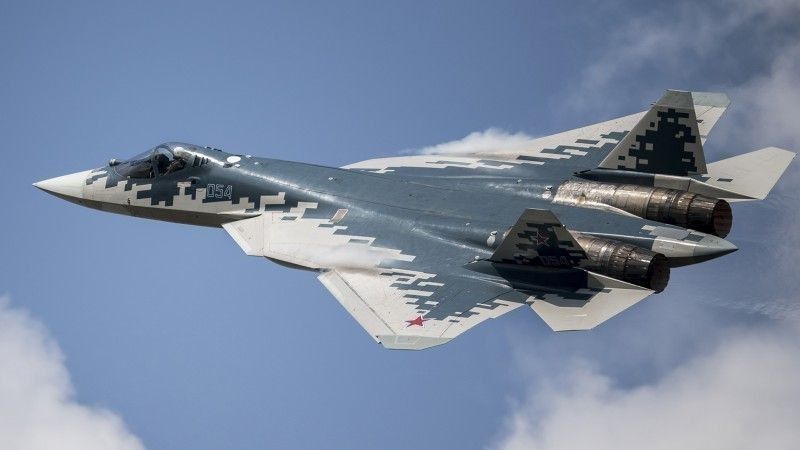
Photo. Mirosław Mróz/Defence24.pl
In terms of sheer numbers, Russia’s military aviation is only a shadow of its Soviet predecessor. The same applies to officer-level aviation training. But the Russians want to change this.
Since the establishment of the Russian Federation, the number of military aircraft and helicopters has been declining almost continuously. As a result, demand for pilots and navigators also decreased. This led to reductions in the number of schools training aviation personnel. In addition, the organizational reforms introduced by Defence Minister Serdyukov resulted in their consolidation.
As a consequence, the Russian Air Force currently has only:
- the Professor N. Ye. Zhukovsky and Yu. A. Gagarin Air Force Academy in Voronezh;
- the A. K. Serov Krasnodar Higher Military Aviation School of Pilots in Krasnodar.
Both institutions have extensive organizational structures and a number of subordinate aviation training bases and regiments. The Voronezh Academy has 14 faculties, branches in Chelyabinsk and Syzran, and four training aviation bases of the 2nd category. The Krasnodar school, meanwhile, has five faculties, including fighter aviation in Armavir, bomber and attack aviation in Borisoglebsk, and long-range and transport aviation in Balashov, as well as nine training aviation regiments. The training aircraft fleets of both institutions consist of Yak-130, L-39C, and DA-42T aircraft. In addition, combat-trainer aircraft from the Su-27, MiG-29, and Su-25 families are used for training. Flight training also takes place on An-26 and L-410 transport aircraft.
In addition to the above-mentioned institutions, practically every branch of the Air Force, as well as the Navy, has its own combat training and aircrew conversion centers. These centers also introduce new types of Russian aircraft into service and develop tactics for their use on the battlefield.
Since the aggression against Ukraine in 2022, Russian aviation has begun to suffer heavy losses, both in flying equipment and personnel. Ukrainian air defense has become so heavily saturated with Western equipment that Russian aircraft and helicopters currently do not venture over territories held by the Ukrainians. A similar phenomenon is occurring on the other side of the front line.
Russian equipment losses are being replenished by current production from Russia’s defense industry. The number of flying machines remains roughly stable, but their average age continues to increase. It appears that the Russian aviation industry is unable to launch rapid, large-scale production of new-generation aircraft. The best example of this is the sluggish production of the new Su-57 multirole aircraft. The industry is delivering, in limited numbers, new versions of already proven platforms such as the Su-35, Su-34, Su-30, Tu-160M, Il-76MD-90A, and Mi-8 helicopters.
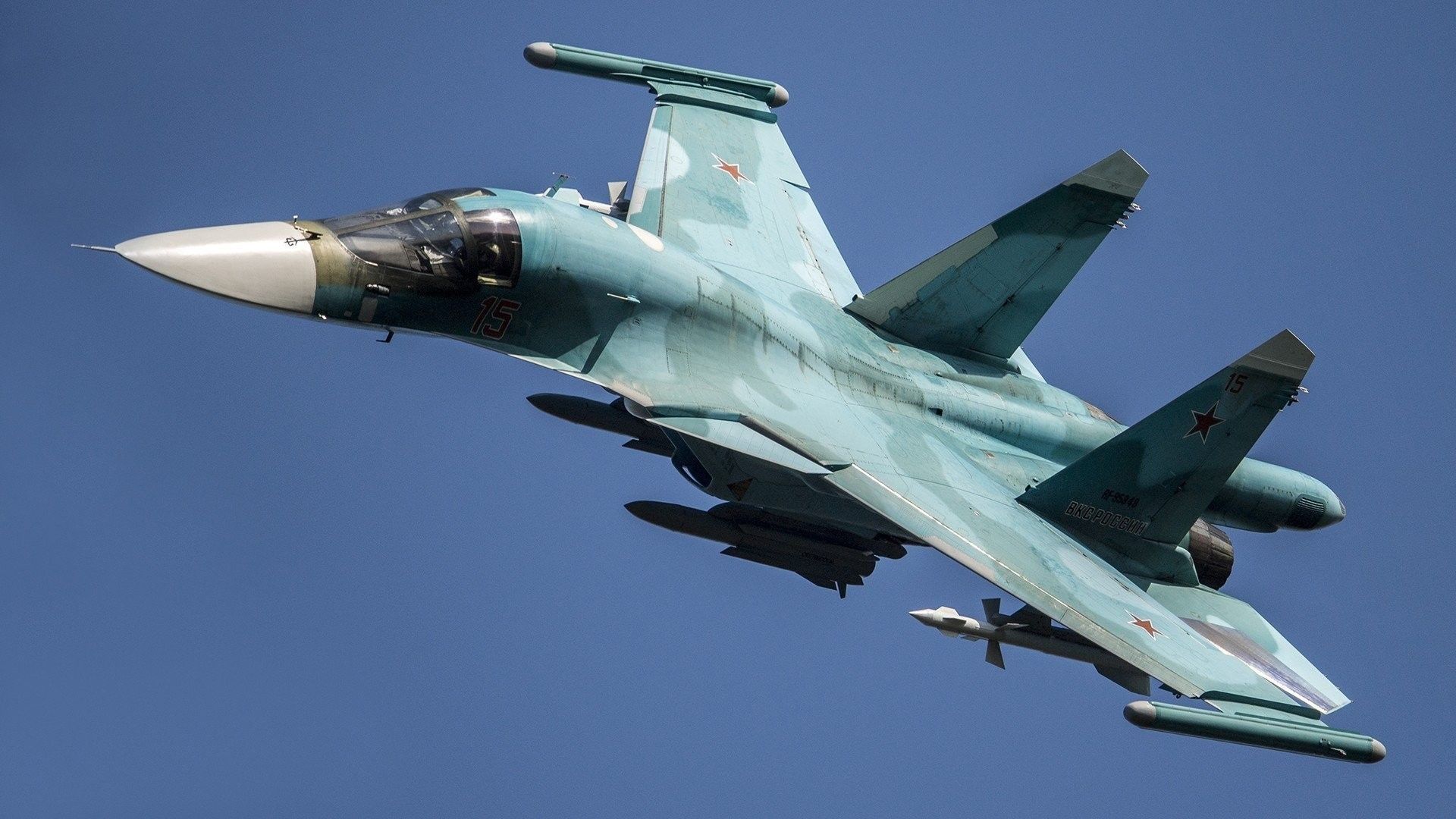
Photo. Mirosław Mróz/Defence24.pl
A separate process is the gradual reversal of Defence Minister Serdyukov’s reforms. This was begun by Minister Shoigu and is now being continued by Minister Belousov. Larger army structures are once again being divided into smaller ones and granted autonomy. This process has also affected military education. As recently as 2004, the Russian Ministry of Defence had 78 academies, universities, higher officer schools, and other military educational institutions. After their consolidation at the end of 2008, only 16 academies and universities with branches remained. Over the following decade, 12 military educational institutions were restored. On 31 December 2022, the Donetsk Higher Combined Arms Command School was incorporated into the Russian army. Between 2023 and 2025, another military academy and four additional higher officer schools were established in Russia.
The year 2026 in the Russian Air Force will be marked by the establishment of three higher officer schools training pilots and navigators. These will be:
- the Syzran Higher Military Aviation School of Pilots in Syzran;
- the Chelyabinsk Higher Military Aviation School of Navigators in Chelyabinsk;
- the Ulyanovsk Higher Military Aviation School of Pilots in Ulyanovsk.
The schools in Syzran and Chelyabinsk will be established on the basis of the currently existing branches of the Voronezh Academy, while the school in Ulyanovsk will be created by separating part of the Krasnodar school.
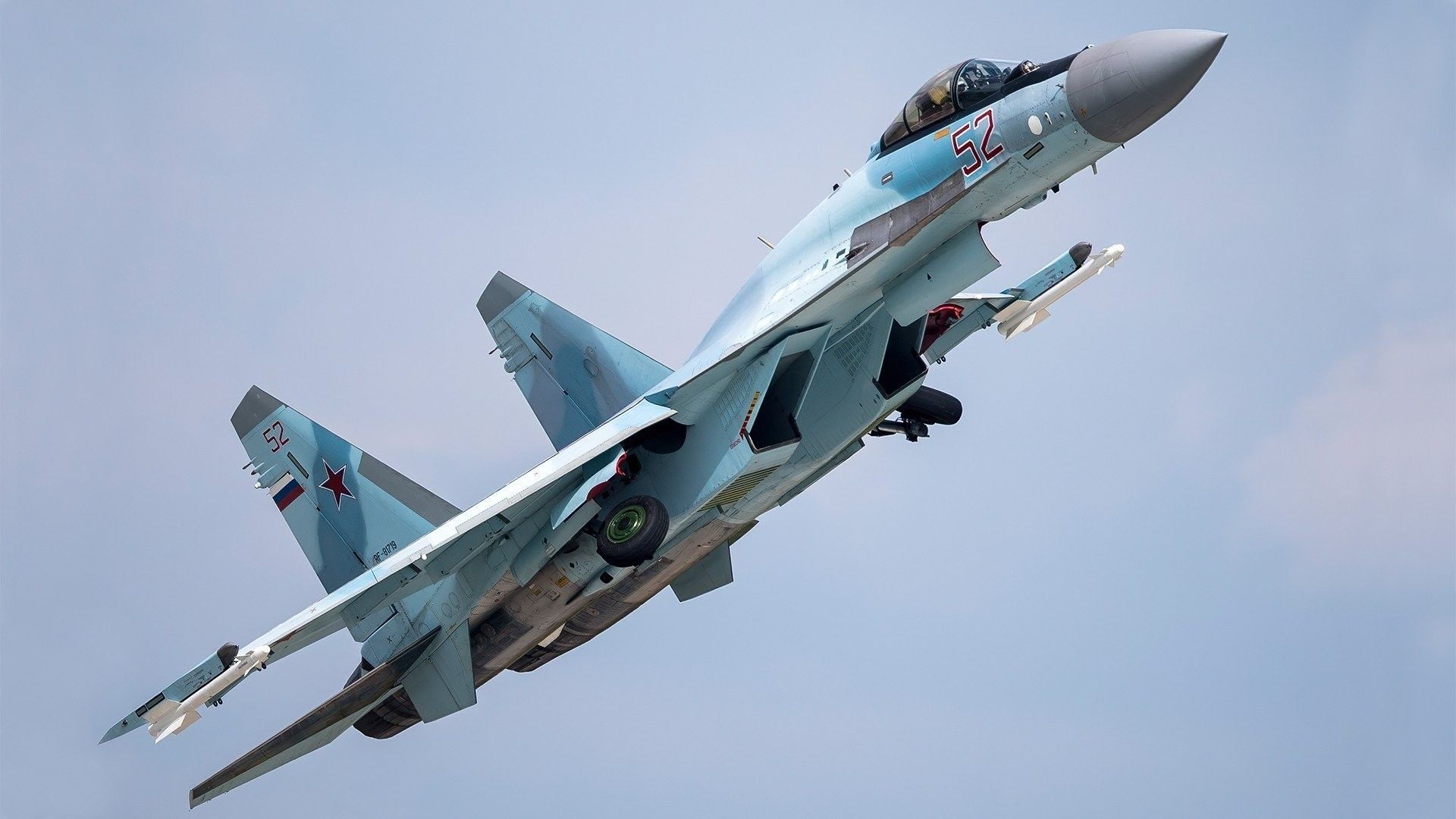
Photo. Mirosław Mróz/Defence24.pl
Of interest are the authorized personnel strengths — both military and civilian — of the three newly established officer schools, as well as those of the currently existing institutions after their organizational „trimming.” These figures allow their relative size to be compared. After the reorganization is completed, they will have:
- 18,897 posts — Professor N. Ye. Zhukovsky and Yu. A. Gagarin Air Force Academy in Voronezh;
- 12,800 posts — A. K. Serov Krasnodar Higher Military Aviation School of Pilots in Krasnodar;
- 6,320 posts — Syzran Higher Military Aviation School of Pilots in Syzran;
- 6,050 posts — Chelyabinsk Higher Military Aviation School of Navigators in Chelyabinsk;
- 4,635 posts — Ulyanovsk Higher Military Aviation School of Pilots in Ulyanovsk.
For now, it is not known whether the reorganization of Russian aviation education will improve the quality and qualifications of graduates from these schools, or by how much their numbers will increase. These organizational changes are certainly intended to achieve that goal, but whether it is attainable will only become clear in the future.


