












- WIADOMOŚCI
- WAŻNE
Secret Draft? Germany’s sneaky new travel ban

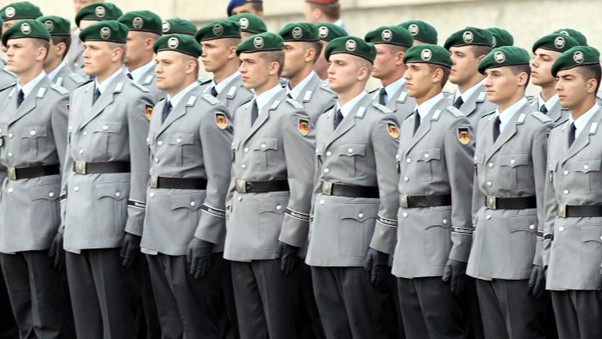
Photo. Wikimedia Commons
Germany insists the draft isn’t back, but a buried travel rule tells a different story. Why millions of German men might suddenly need a military hall pass to go abroad.
What startled Germany earlier this month was not a formal return to conscription, but a travel restriction buried in the fine print of a recent defence law. Under this provision, German men between the ages of 17 and 45 are technically required to seek permission from a Bundeswehr career centre before remaining abroad for more than three months. The clause only sparked widespread public attention months after the legislation came into effect on 1 January 2026. This delay was largely due to the fact that the government’s broader defence reforms remain officially anchored in voluntary service rather than a compulsory call-up.

The crux of the issue lies in the legal mechanism itself. Berlin did not invent a new travel-approval tool this year. Rather, the underlying rule is a conscription-era provision introduced in 1965 to monitor the whereabouts of potential recruits. What changed with the recent Military Service Modernisation Act Wehrdienst-Modernisierungsgesetz) is that it made a wider set of provisions from the original Conscription Act Wehrpflichtgesetz) applicable even outside a formal state of tension or defence. The government’s own explanatory memorandum described these peacetime rules vaguely, focusing instead on future screening protocols. Crucially, it failed to flag the foreign-stay clause entirely, which explains why the controversy only erupted following recent media and legal scrutiny.

This detail matters because the clause fits into a much larger manpower strategy. By 2035, Germany aims to expand the Bundeswehr to 260,000 active troops and at least 200,000 reservists, yielding a total force pool of roughly 460,000 personnel. While the new model keeps military service voluntary for now, it quietly rebuilds the registration, screening, and reserve infrastructure necessary for rapid mobilisation. Under this framework, 18-year-old men and women are contacted by the military, though only men are legally obligated to complete the accompanying questionnaire. Furthermore, compulsory medical screenings for men born in or after 2008 will be phased in starting 1 July 2027. If voluntary recruitment falls short of these targets, parliament will have to approve further compulsory measures.

Following the public backlash, the Defence Ministry is already walking back the rule in practice. The Bundeswehr and the ministry have since clarified that men do not currently need to notify the military or seek permission for extended stays abroad, nor will they face sanctions for failing to do so. A general exemption is reportedly being drafted to prevent unnecessary bureaucracy. Nevertheless, the episode has laid bare the underlying logic of the reform: even without a formal return to conscription, Berlin is determined to secure the legal and administrative tools required to locate and mobilise potential manpower should the security situation deteriorate.


