












- WIADOMOŚCI
Sikorski rejects EU Federal Army, proposes “European Legion”

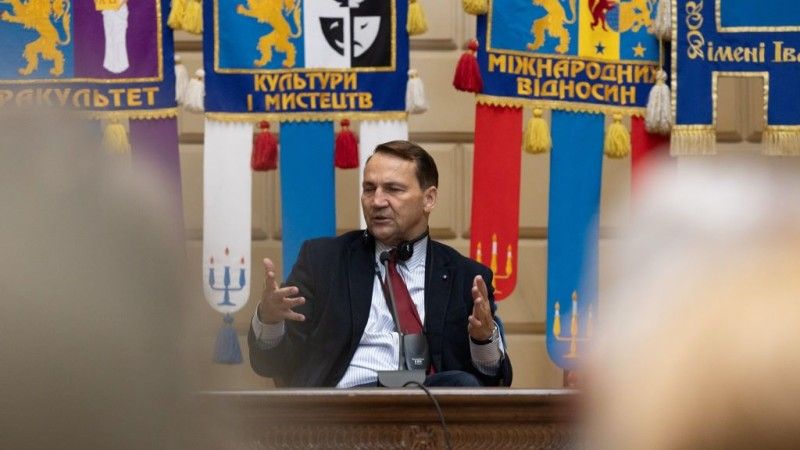
The issue of creating a single, common, federal army for the European Union regularly arises. The Polish Minister of Foreign Affairs denies and claims that it is unrealistic.
On the occasion of the EU foreign ministers« meeting in Brussels, which took place on January 29, Radosław Sikorski was asked about the possibility of creating a European army. This is a recurring topic in public debate, and it was recently brought up in January by the EU Commissioner for Defence, Andrius Kubilius. The head of the Polish MFA replied that „talking about a federal army is pointless because it is unrealistic, as national armies will not be merged. However, we could create something that I call a European legion, that is, initially (…) a unit the size of a brigade, which citizens of member states, and perhaps even candidate countries, could join”.

The strength of such legion would not be sufficient to deter leaders like Vladimir Putin, but there are also other, smaller threats where – according to Sikorski – we should be able to act together as an Union. As examples, he cites threats in North Africa and the Balkans. The Union already has so-called battle groups, but they have never been used because – as Sikorski claims – they were designed in a way that makes it impossible.
Andrius Kubilius stated that the EU would be capable of forming an army of 100,000 soldiers. The head of EU diplomacy, Kaja Kallas, said on Thursday that she personally cannot imagine EU countries creating a European army separate from their national forces. „Every European country has its own army, and the armies of 23 countries are also part of NATO structures, so I cannot imagine countries creating a separate European army” - Kallas stated ahead of the meeting of EU foreign ministers.
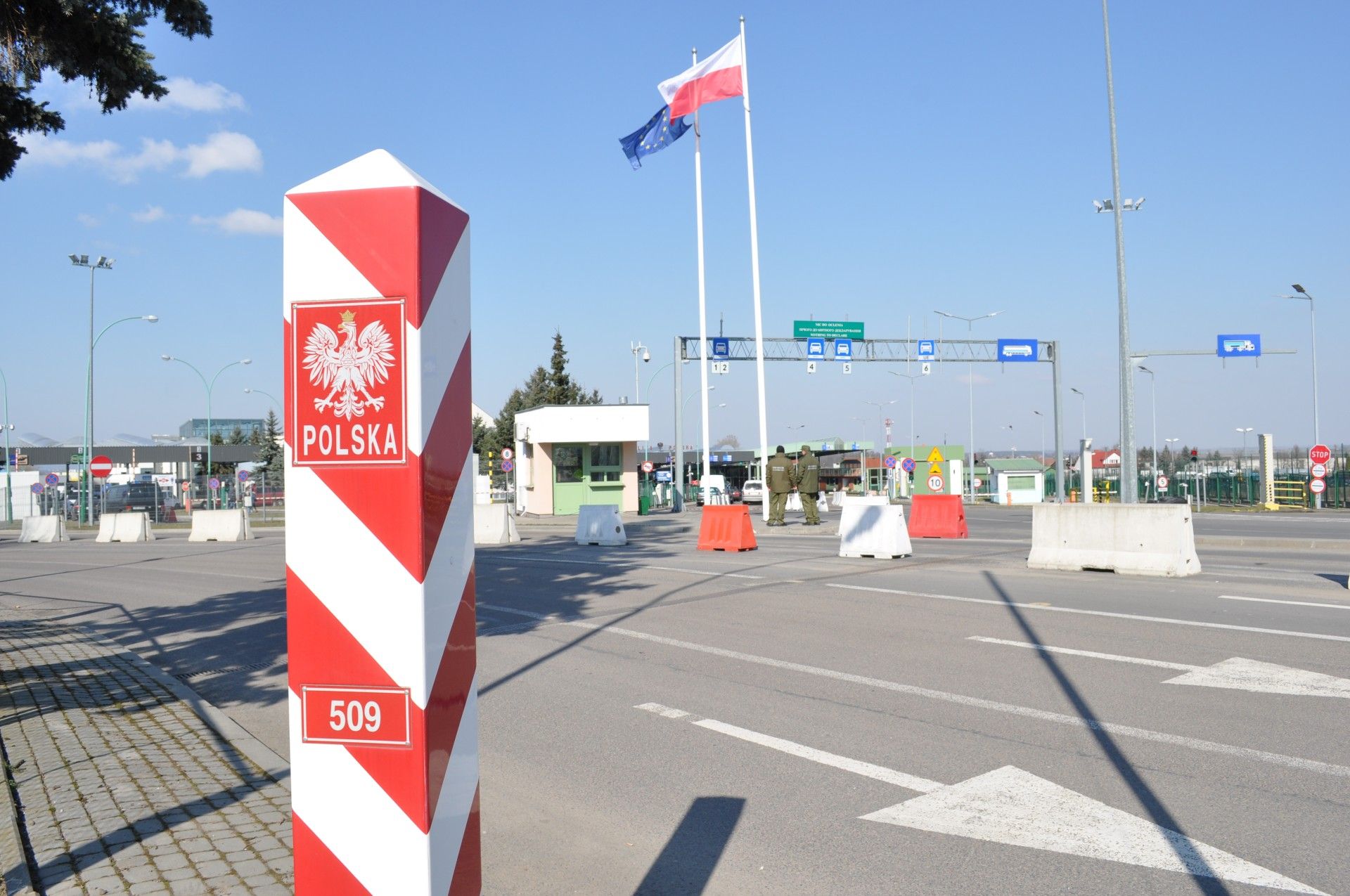
It can be said with certainty that opinions on creating such formation are divided, even among European elites. National armies are often also a symbol of a country’s independence. A common European army would be a sign of further federalization of the Union, in which not all member states want to partake. Furthermore, for many countries, military cooperation with the USA and the role of their national armies within NATO structures remain important. These matters would change if a common European army were to be established.


