












- WIADOMOŚCI
- KOMENTARZ
- ANALIZA
America First counterterrorism

The new U.S. Counterterrorism Strategy marks a profound shift in how Washington views global security threats. Under Donald Trump’s “America First” doctrine, counterterrorism is no longer centred on large-scale stabilisation missions or long-term military engagement abroad, but on direct threats to the American homeland, weapons of mass destruction, and burden-shifting towards allies. For Europe, and particularly for regions such as the Sahel, this is a clear signal that the United States expects partners to assume far greater responsibility.
The 2026 U.S. Counterterrorism Strategy leaves little doubt that Washington is fundamentally redefining its global priorities. The document repeatedly underlines that the United States will no longer carry the main burden of counterterrorism operations worldwide, especially in regions where American strategic interests are considered secondary. Instead, the administration focuses on protecting the homeland, securing borders, countering narcoterrorism, and preventing attacks involving weapons of mass destruction. This is the essence of the “America First” approach promoted by Donald Trump.
One of the most important elements of the strategy is the visible reduction of American ambitions in Africa. Although the Sahel, Somalia, Lake Chad Basin and Mozambique remain identified as zones of terrorist activity, Washington no longer presents them as theatres requiring a broad and permanent U.S. military presence. The document explicitly states that the United States intends to maintain only a „light military footprint” in Africa, while expecting regional actors and European allies to take over a much greater share of the burden. This is a major strategic shift compared to the post-9/11 era and also compared to previous American engagement in West Africa.
At the same time, the strategy strongly emphasises that Europe must increase its own counterterrorism capabilities, not only on the continent itself, but also in Africa and Asia. Washington openly criticises weak border policies, insufficient counterterrorism resources, and what it describes as Europe becoming a permissive environment for extremist and criminal networks. From the American perspective, wealthy European allies can no longer rely indefinitely on U.S. military leadership while limiting their own strategic engagement.
This creates a particularly difficult situation for France. Paris has spent years attempting to position itself as the leading Western security actor in the Sahel through operations such as Barkhane and broader military engagement across West Africa. However, the new American strategy suggests that Washington is no longer interested in underwriting French ambitions on the continent. The United States still recognises terrorism risks in the Sahel, but it no longer sees large-scale involvement there as a core American priority. Instead, the White House expects European powers themselves to manage instability in regions directly affecting their own security environment.

Another key aspect of the strategy is the very strong focus on weapons of mass destruction. The document repeatedly identifies nuclear, radiological, chemical, and biological threats as the single most dangerous category of terrorism. Washington also expands this logic to fentanyl and precursor chemicals, describing them effectively as strategic threats to the United States. This demonstrates that American counterterrorism thinking is increasingly shifting away from state-building and prolonged expeditionary warfare towards high-intensity, targeted operations against strategic threats capable of directly destabilising the homeland.
The strategy also confirms that U.S. priorities are increasingly concentrated around direct national interests rather than alliance expectations. The Middle East remains important primarily because of Iran, maritime security, and terrorism directed against Americans. Europe remains important because of intelligence cooperation and NATO partnerships. However, the overall message is clear: Washington will cooperate, but it no longer intends to lead every theatre simultaneously. Burden-sharing is no longer presented as a diplomatic recommendation, but as a strategic necessity.
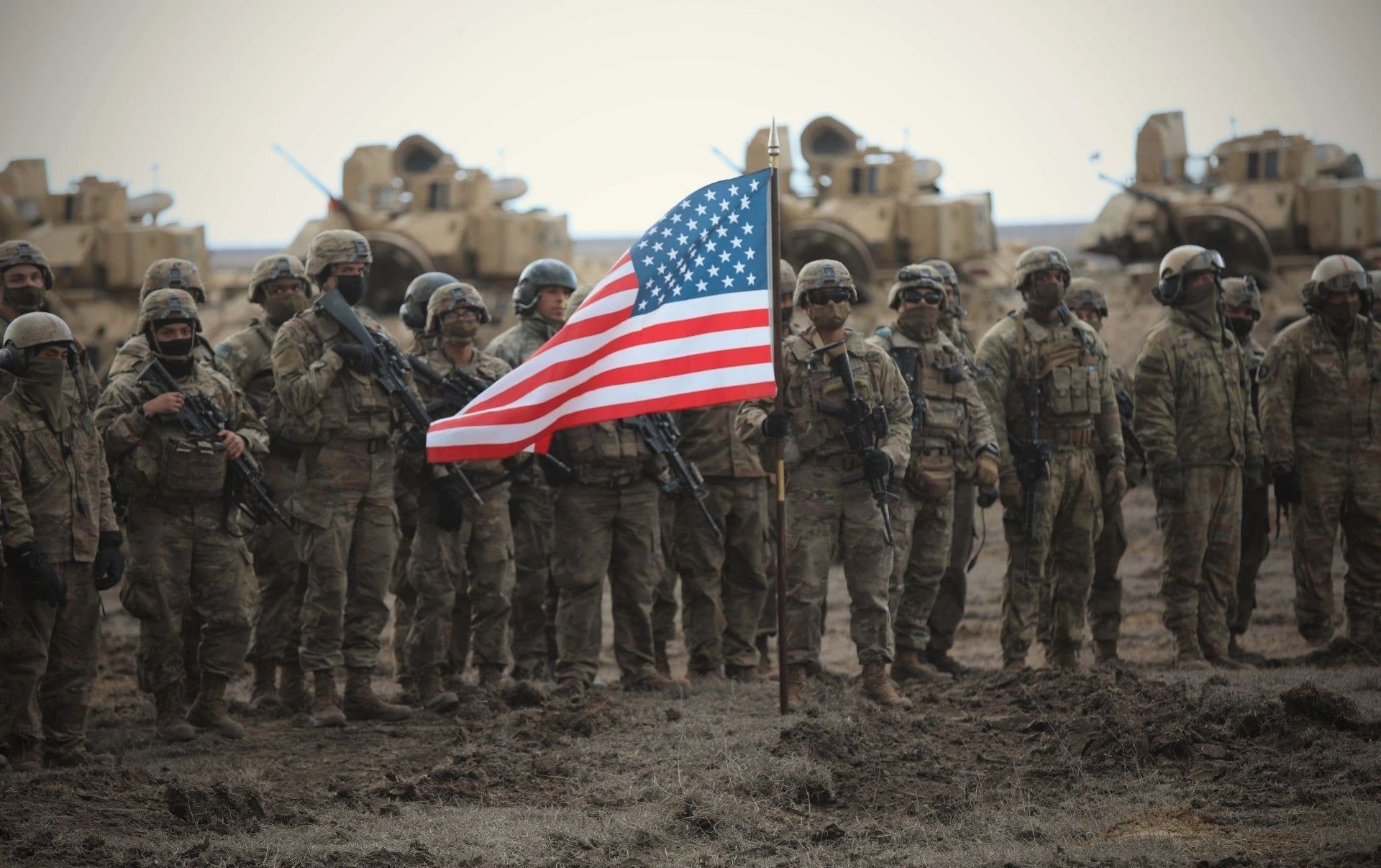
For Europe, this document should be read as a warning. The United States remains deeply engaged in global security and counterterrorism operations, but its approach is becoming significantly more selective, transactional, and interest-driven. Regions such as the Sahel may remain strategically important for Paris or Brussels, yet they no longer occupy the same place in Washington’s hierarchy of priorities. In practice, this means that European states will increasingly have to choose whether they are prepared to invest politically, militarily, and financially in their own security environment without expecting automatic American leadership.


