- WIADOMOŚCI
EU puts €6.1 billion into Ukraine’s air defence

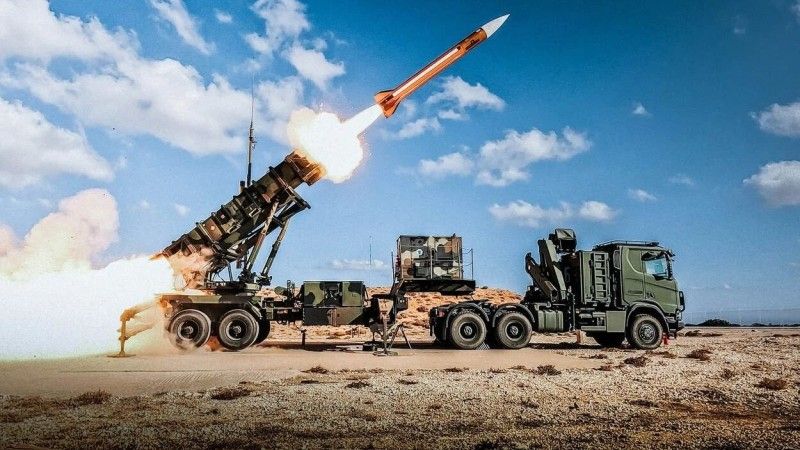
Ukraine will receive another major package for air and missile defence, ammunition and radars. The €6.1 billion approved by the European Commission is important, but it should not be presented as another simple transfer of money to Kyiv. It is part of a much larger mechanism that shows how European support for Ukraine is changing: less equipment taken directly from national stocks, more contracts, production and long-term financing.
First, this is not a new €6.1 billion loan. The money comes from the €90 billion Ukraine Support Loan agreed for 2026–2027. Of this amount, €60 billion is intended for defence and €30 billion for the Ukrainian state budget. In 2026 alone, up to €28.3 billion can be used for military requirements. The latest decision therefore approves another group of purchases within a programme that has already been created.
The direction of spending is also significant. The money will go primarily to air and missile defence, missiles, ammunition and radars. This is exactly where Ukraine currently has one of its greatest problems. Russia continues to use ballistic and cruise missiles as well as large numbers of drones against cities, energy infrastructure and military facilities. A launcher without missiles has limited value. Ukraine therefore needs not only additional systems, but a constant flow of interceptors.
There is already considerable money in the system. Together with earlier decisions, more than €22 billion in defence procurement plans have now been approved. The first large packages focused heavily on drones. Now the emphasis is moving towards air defence and ammunition. This is not accidental. Ukrainian requirements are changing with the war, and European support has to change with them.

There is another important element. A large part of the money is expected to remain in European and Ukrainian defence industry. This means that the same mechanism is intended to support Ukraine and increase production capacity in Europe. On the one hand, Kyiv receives weapons. On the other, European companies receive contracts large enough to justify new production lines and larger orders from suppliers. After more than four years of war, this is increasingly necessary because many states simply have less equipment available in their own warehouses.
However, the €6.1 billion approved does not mean €6.1 billion transferred today. Ukraine must present contracts, the purchases have to meet the agreed requirements, and only then are payments released. The financing model is also different from earlier ad hoc assistance. The EU raises the money on capital markets, while repayment by Ukraine is linked to future Russian reparations. This makes it possible to plan support over several years rather than negotiate another emergency package every few months.

The main problem is not money, but production. Europe can approve another billion-euro package relatively quickly, but it cannot produce additional interceptors, radars or ammunition at the same pace. At the same time, NATO countries are rebuilding their own stocks and increasing readiness, which means that Ukraine is competing for equipment that European armed forces also need. This is particularly visible in air defence, where the availability of Patriot interceptors and other missiles remains limited. For this reason, the next stage of support for Ukraine will depend less on what can still be taken from national warehouses and more on how quickly European industry can increase production and deliver new systems to the battlefield.