












- WIADOMOŚCI
Work more, Germany? Merz’s push meets a wall of resistance

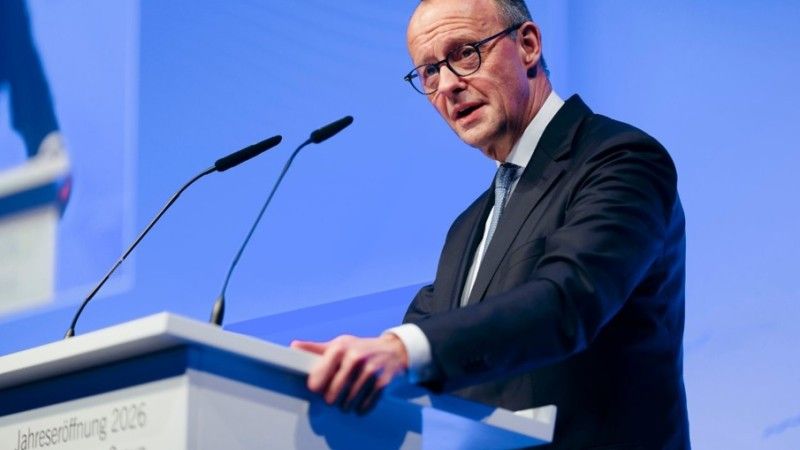
German Chancellor Friedrich Merz wants the nation to „work more” to save its economy, but his push for longer hours is facing widespread pushback.
Merz argues that Germany’s overall labour output is falling short, warning that an increasing focus on „work-life balance” and the push for a four-day workweek could jeopardise the country’s economic foundations. His comments sparked a swift backlash from trade unions, his Social Democratic coalition partners, and even factions within his own conservative CDU/CSU alliance.

Merz has positioned the debate as essential for maintaining Germany’s global competitiveness. He specifically highlighted Switzerland as an example, noting that Swiss workers average around 200 more hours per year than their German counterparts. To bridge this gap, the Chancellor proposed incentives, such as tax breaks, to encourage older citizens to remain in the workforce beyond the standard retirement age. His agenda has reignited fiercely contested debates over working-hour regulations, sick leave policies, and the growing trend of „lifestyle” part-time employment.
The timing of Merz’s remarks is particularly sensitive. As Reuters reported, Germany’s unemployment figures climbed to approximately 3.08 million in January. This underscores a dual economic challenge: the issue is not merely a shortage of labour supply, but also a sluggish hiring market.
The German public remains largely unconvinced by the Chancellor’s rhetoric. A ZDF Politbarometer survey published on February 6 revealed that only 20% of respondents believe Germans work too little, while a resounding 75% disagree. Furthermore, 89% stressed that the government must first improve the economic and political frameworks supporting employees before demanding longer hours, a sentiment heavily echoed by Merz’s critics.

Beneath the political friction lies a deeper dispute over the statistics themselves. According toDeutschlandfunk, an analysis of OECD data by the German Economic Institute calculates average annual working hours at 1,036 per working-age resident (ages 15–64), rather than per employed individual. While the total number of hours worked nationwide is near a historical high, the average hours per job have dropped, largely driven by a surge in part-time roles, particularly among women.
With Berlin planning substantial spending hikes in both defence and infrastructure, the stakes of this debate could not be higher. Merz’s critics maintain that driving true economic growth requires better childcare infrastructure, robust skill development, and targeted productivity enhancements, rather than simply logging longer hours on the clock.


