












- WIADOMOŚCI
- ANALIZA
Berlin ready to choose GCAP over Franco-German project SCAF?

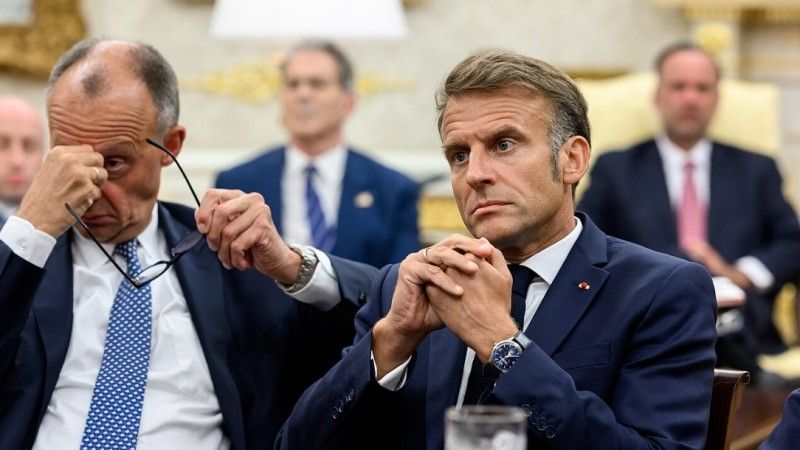
The latest report from Italian daily newspapersCorriere della Sera casts a negative light on Franco-German defense cooperation.
At the intergovernmental summit in Rome, German Chancellor Friedrich Merz reportedly asked Georgia Meloni about the possibility of Germany joining the GCAP (Global Combat Air Program). Such a move would imply abandoning the SCAF (Future combat Air System), launched in 2017 as a defense agreement between Angela Merkel and French President Emmanuel Macron, later joined by Spain. Chancelor Merz would have met no objection - on the contrary, Italian authorities indicated their openness to Germany’s participation.
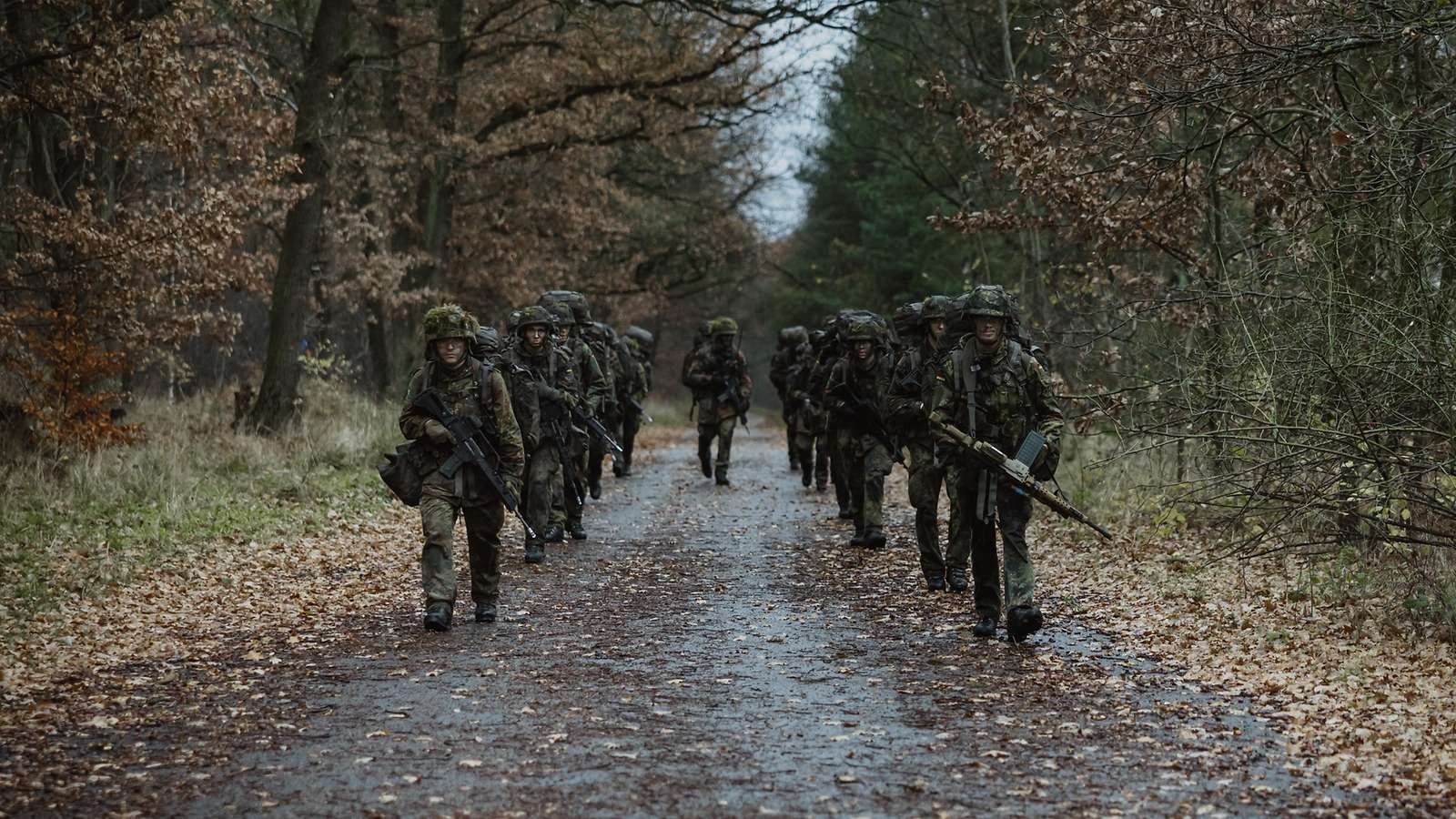
Although the headline may be more alarmist than the actual substance of the discussion, should Berlin’s strategic ambiguity raise Paris« concerns?
Tensions surrounding the SCAF project are not new. They originate primarily from industrial tensions which have escalated because of Germany’s growing frustration with what it perceives as France’s assertive stance. Last September, France stated that it would proceed with the development of a future combat aircraft on its own should negotiations with Spain and Germany fail. This position was reinforced by Dassault Aviation’s CEO Eric Trappier, who expressed the company’s ambition to have a leading role in the project, arguing that France has sovereign control over the expertise, skills and industrial capabilities to develop, produce and maintain the project autonomously.
GCAP is a combat aircraft program cofounded by Italy (Leonardo), the United Kingdom (BAE Systems) and Japan (Mitsubishi). Its defense system combines manned aircraft with drones and satellites. However, the program also faces its own challenges, especially financial constraints. This issue could be alleviated by the entry of a new partner, making German participation particularly timely.
By contrast, 2026 marks a great start in France’s military spending, with the defense budget expected to reach €64 billion annually by 2027. Emmanuel Macron has urged French defense industry to scale up its efforts and strengthen its capabilities, stating the need to be a mighty, stabilizing country to assert territorial sovereignty.

As negotiations SCAF continue to stall, France appears determined to accelerate progress, even if it means to be alone. Nevertheless, it is worth reminding that France remains deeply committed to the idea of a European defense industry, making SCAF a unilateral approach unlikely. As for Germany, Chancellor Merz has recently dismissed allegations circulating in the German press, stating the dialogue around the SCAF was still ongoing. As far as we know, France and Germany appear to continue efforts to reach a compromise on the future of the program. The second phase of the project is supposed to start in 2026 with estimated total cost of €50 billion.
Author: Emma Dupuy


