












- KOMENTARZ
- WIADOMOŚCI
- WAŻNE
Belgium’s promised F-16s are still missing

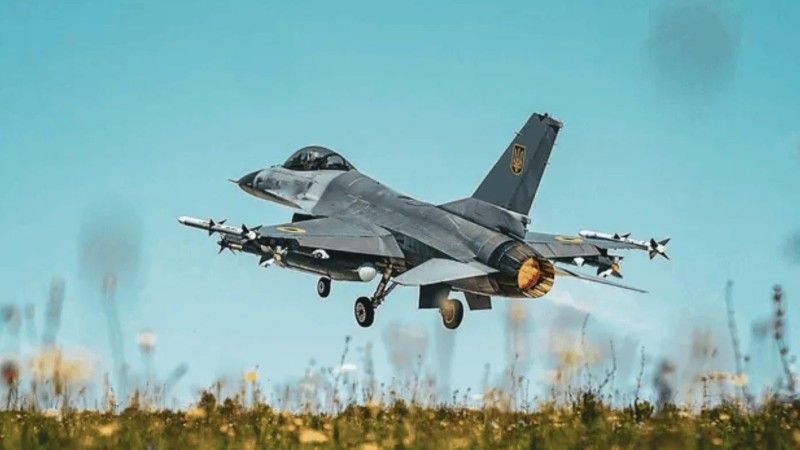
Western fighter jets were supposed to strengthen Ukraine’s air power and change the balance in the skies. In practice, however, the programme illustrates a familiar gap between political declarations and military logistics — with some key promises, including Belgium’s F-16s, still waiting to materialise.
Nearly two years ago Belgium pledged to deliver up to 30 F-16 fighter jets to Ukraine. Yet none of these aircraft have been transferred so far. Reports highlighting the delay often originate from strongly pro-Ukrainian outlets, which tend to frame the issue as a political failure. In reality, the explanation appears more technical and linked to Belgium’s own force structure.
The main reason for the postponement is the ongoing modernisation of the Belgian Air Force. Brussels is currently replacing its ageing F-16 fleet with new F-35 fighters. Until sufficient numbers of the new aircraft enter service, Belgium must retain its existing jets to maintain national air defence and fulfil NATO obligations.
According to Air Force Major General Gert De Decker, the transfer of F-16s will only become possible once this transition is sufficiently advanced and Belgium’s own operational requirements are secured. The Belgian Ministry of Defence has also emphasised that no precise delivery timeline was ever formally established.
Other European partners have been able to move faster. The Netherlands delivered all 24 F-16 aircraft it promised by mid-2025. Denmark pledged 19 aircraft and began deliveries in 2024, while Norway transferred around 14 jets. In total, Ukraine has received roughly 44 fighters out of approximately 87–95 promised by European partners.
Even where aircraft have arrived, operational challenges remain. Ukrainian F-16 units reportedly faced a shortage of air-to-air missiles for several weeks after deliveries from international partners slowed. During that period pilots were forced to rely mainly on onboard cannons and conduct primarily daytime sorties. The situation improved only after additional AIM-9 Sidewinder missiles were delivered shortly before a major Russian air campaign.
Technically, the F-16 remains a highly capable multirole aircraft. Modernised variants can employ a wide range of precision-guided weapons, including JDAM bombs as well as AIM-120 and AIM-9 air-to-air missiles. Yet the real battlefield value depends not only on the aircraft itself but also on training, logistics, maintenance infrastructure and a stable supply of ammunition.
What about Mirage?
A similar story unfolded with French aircraft. The French Republic pledged to provide Mirage fighter jets to Ukraine. Out of nearly twenty aircraft expected by mid-year, only six were delivered — and one of them has already crashed.
At this stage, further deliveries appear unlikely. Training Ukrainian pilots on the Mirage platform proved significantly more time-consuming than initially assumed, and integrating the aircraft into Ukraine’s operational environment turned out to be more complex than expected.
What Ukraine needs?
At the same time Ukraine has reportedly expressed interest in acquiring up to 100 Rafale fighter jets in the long term. Such a programme would represent a major leap in capability for the Ukrainian Air Force. For now, however, it remains more a strategic ambition than a realistic procurement plan.
The broader conclusion is clear. Political announcements about fighter jets are often made quickly, while the delivery and integration of advanced aircraft takes years. For Ukraine, Western fighters remain an important capability — but in the short term the air war continues to depend primarily on air defence systems rather than large fleets of Western jets.


