












- WIADOMOŚCI
- ANALIZA
Capitalism: An enabler of arms trafficking


Photo. Steve Evans / Wikimedia Commons
The latest round of sanctions imposed by the US against what has been termed “Networks fueling Sudan’s civil war” raises questions about the impact and effectiveness of such sanctions.
Sudan has been under a partial UN-imposed arms embargo since July 2004. However, this has neither stopped the conflict nor deterred successive rounds of fighting, including the latest wave of violence, which has been genocidal. Despite the embargo, arms have continued to flow into Darfur. The steady supply of arms to the conflict is driven in part by companies that manufacture and supply arms for profit.
Although international treaties and embargoes are intended to restrict the transfer of weapons to conflict zones, states and other actors often circumvent these measures. While such transfers may be described as arms diversion or embargo evasion, the companies involved are rarely subject to sanctions.
A case in point is the supply of arms from the United Arab Emirates to Sudan’s Rapid Support Forces (RSF). Despite the UN arms embargo on Darfur and other international restrictions, the UAE has continually supplied arms to the RSF through neighbouring countries such as Chad, Libya and others.
It is important to note that despite some of these countries having domestic arms industries, they often rely on foreign-made systems. For example, French systems have been found in UAE-manufactured vehicles in Sudan, while others continue to import weapons from abroad. In a report by Amnesty International, arms from the UK, US and the UAE have been documented as being used on the ground in Sudan. It is clear that international sanctions have done little to curtail the violence. Sanctions have proved ineffective, have failed to deter, and have simply created other avenues for these arms networks to thrive, often shifting from “legal” to illicit trade. Illicit networks frequently flourish under sanctions, as restrictions easily increase demand for such goods.
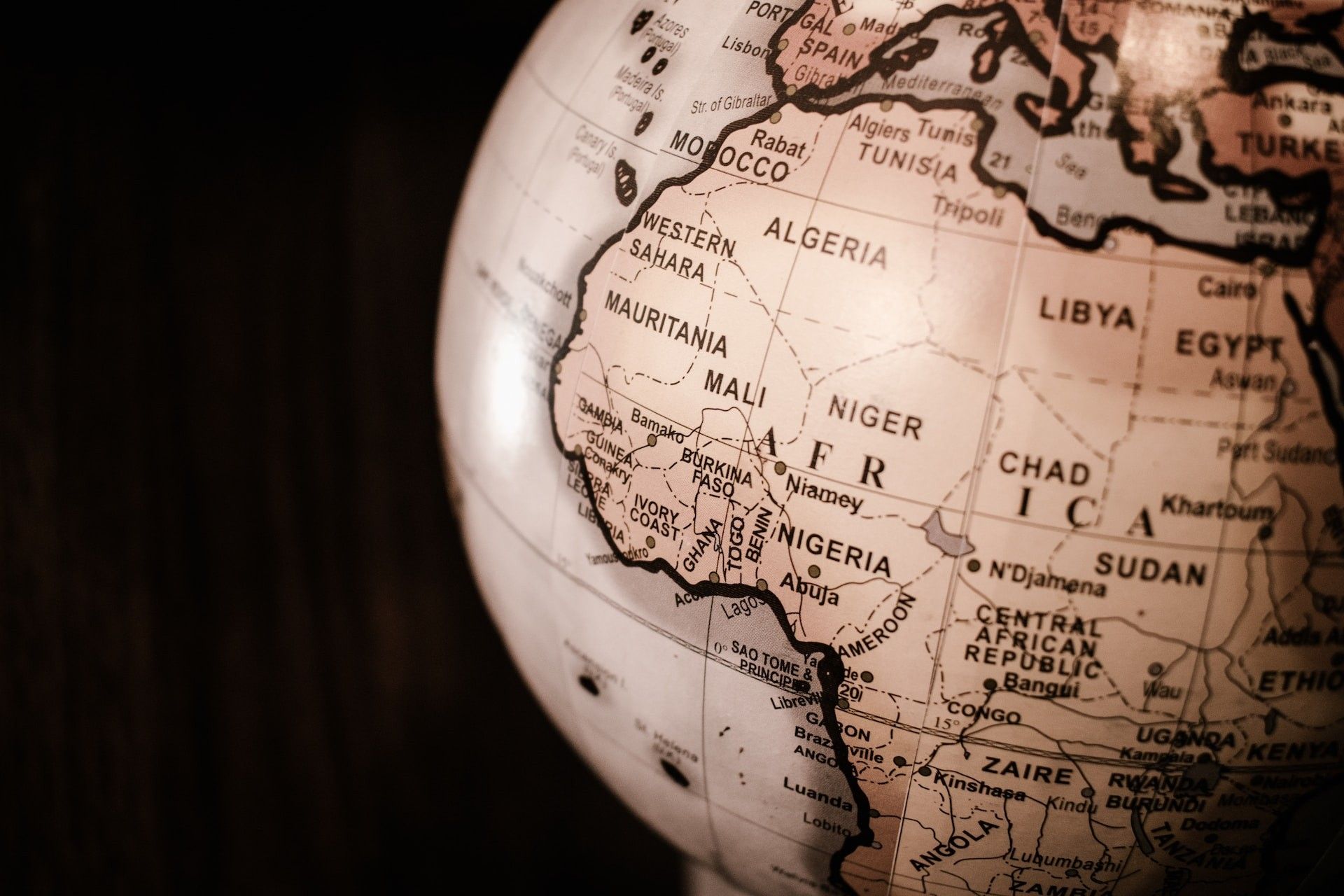
The Sudanese sanctions will not impact the Chad-Libya-Sudan triangle, as it has long been controlled by non-state armed groups. Instead, they may contribute to increased demand for illicit arms trafficked through the areas. Arms companies are rarely impacted by these sanctions; they focus on meeting the demand, and this contributes to the ineffectiveness of sanctions. Capitalism plays a role in weakening the impact of sanctions, as the demand for arms outweighs the need to adhere to and enforce them.
Countries like the US and UK, among others, propose sanctions but must also acknowledge their role in undermining them. The House Foreign Affairs Committee is usually charged with approving and overseeing US foreign arms sales. In 2022, it was reported that private companies accounted for 51% of arms revenue in the US, the largest arms dealer on the planet, representing 42% of exports in the global arms trade. Given the influence of arms industry lobbyists on Capitol Hill, arms companies are unlikely to be significantly impacted by sanctions.
Through campaign financing, arms companies seek to influence lawmakers and shape policy on arms exports to push their agenda. Such activities affect the implementation of sanctions and make the conditions for arms sales more favourable. According to the Quincy Institute, this US lobbying infrastructure has heavily extended to the UAE. While this lobbying was mainly aimed at its reputation, such a move can be used to lobby for arms sales as well. Senators like Chris Van Hollen have previously called for an end to arms sales that could fuel the conflict in Sudan. However, such calls are often silenced by others who support continued arms sales to either warring party or sales with the potential of being diverted into war zones.
Capitalism ought to be understood as a central player in the global arms trade. Until policymakers confront the profit incentives that drive arms manufacturing and exports, sanctions and embargoes will continue to treat the symptoms rather than the underlying causes of the arms trade itself.


