












- WIADOMOŚCI
- WAŻNE
- KOMENTARZ
Eight Days Into U.S. Shutdown: No Deal in Sight

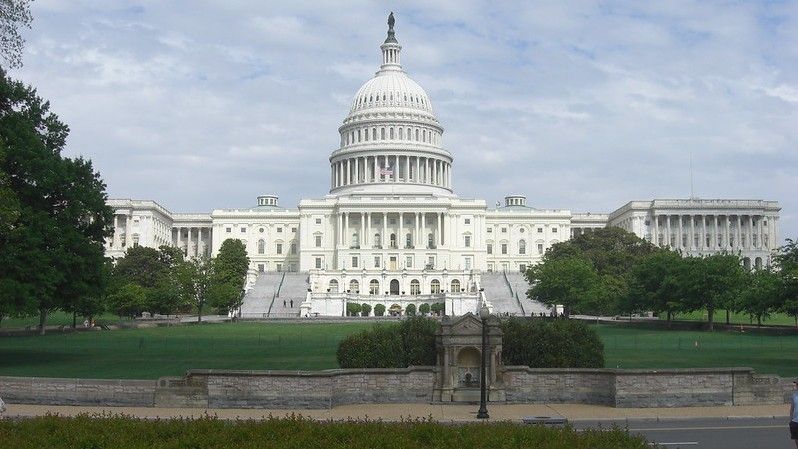
It has been eight days since the U.S. government began grappling with a partial shutdown of federal operations. The lack of agreement in Congress over funding for the 2026 fiscal year has paralyzed key institutions, affecting millions of Americans and deepening political divisions.
The problem has persisted since October 1. Negotiations have reached a deadlock, and the prospect of mass layoffs of federal employees and further disruptions to public services is becoming increasingly real. The trigger for the current shutdown—the eleventh in modern U.S. history and the third under President Donald Trump’s administration—is the disagreement between Republicans and Democrats over temporary government funding. Republicans, led by House Speaker Mike Johnson and Senate Majority Leader John Thune, are proposing a short-term budget extension until November 21 without additional spending.
Democrats, under the leadership of Chuck Schumer and Hakeem Jeffries, are demanding that the bill include an extension of the Affordable Care Act (ACA) health insurance tax credits, which are set to expire at the end of the year. These credits have helped lower health insurance premiums and reduce the number of uninsured Americans to a record low. So far, all attempts to resolve the impasse have failed. On Monday, October 7, the Senate rejected two competing bills—a Republican and a Democratic one—for the fifth time. Further votes are planned, but without a shift in either side’s position, the chances of a breakthrough remain slim. President Trump and his administration, including Press Secretary Karoline Leavitt and Office of Management and Budget Director Russell Vought, blame the Democrats for “demagoguery” and are threatening mass layoffs of federal employees if negotiations fail to produce results.
Impact on Americans
The shutdown affects approximately 2.1 million federal employees and millions of citizens who rely on government services. Around 800,000 workers have been placed on unpaid furlough, while the rest continue to work without guaranteed pay. On social media platforms such as X, employees are organizing mutual aid efforts. The threat of mass layoffs is further damaging morale. Several public services have also ceased operations. Some museums and national parks have been closed, and diplomatic missions in various countries, including Poland, have been affected.
Transportation services, such as the Federal Aviation Administration, are also suffering from the impasse, and soon the problem may extend to military personnel, who may not receive their paychecks starting October 15—a situation that will undoubtedly impact Congress. The Department of Veterans Affairs continues to operate thanks to prior funding, as do border and immigration services under the Department of Homeland Security (DHS).
Polls, such as one conducted by CBS News, indicate that 52% of Americans blame President Trump and the Republican Party for the crisis. Democrats are using the situation in their election campaigns, particularly in gubernatorial races. On platform X, users are criticizing the administration, calling the shutdown a „national disgrace” and highlighting everyday inconveniences such as flight delays and the closure of national parks. The White House and Congress have announced further talks, but experts warn that without compromise, the shutdown could last for weeks. The key date is October 15, when missed paychecks for service members could trigger even greater public pressure. Failure to reach an agreement on ACA tax credits threatens to further erode access to health insurance, potentially affecting millions of Americans. In the worst-case scenario, this could lead to mass protests or unrest spreading across the country.


