












- ANALIZA
- WIADOMOŚCI
Iraqi oil via Türkiye: Export security and transit dependence

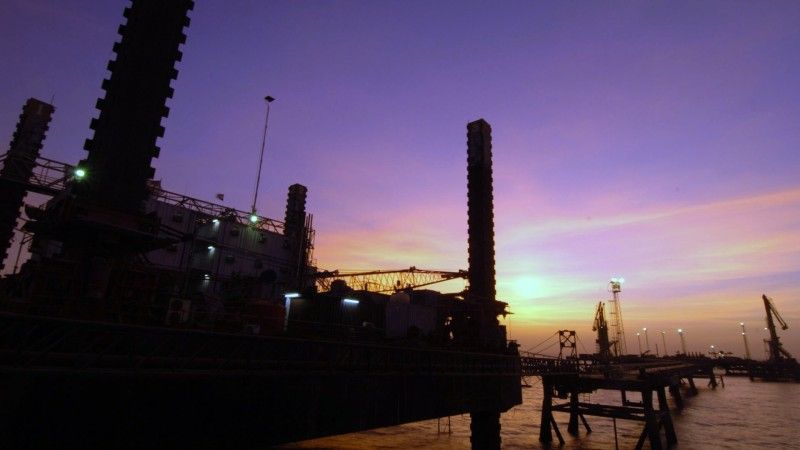
Photo. U.S. Navy Photo by Photographer's Mate 1st Class Aaron Ansarov / Public Domain
Disruption to shipping through the Strait of Hormuz is increasing the importance of Iraqi oil exports via Türkiye. Baghdad needs to preserve the revenue required to fund the state and contain domestic tensions. The northern route can provide partial protection for these revenues, but its use depends on agreements with Ankara and the Kurdish authorities.
According to Reuters, a pilot operation on 13–14 September transported approximately 38,000 barrels of oil by road tanker from southern Iraq to a storage facility in Kirkuk. The operation is intended to increase supplies to the northern export system. Flows to Ceyhan were estimated at around 200,000 barrels per day, according to Iraqi oil ministry figures cited by the agency on 16 September. Tanker availability and loading rates nevertheless limit the scale of road shipments.
The importance of this alternative reflects the structure of Iraq’s public finances. IMF data for 2024 show that oil accounted for more than 90 per cent of central government revenue, while wages and pensions absorbed around half of its expenditure. A sustained decline in revenue therefore constrains the government’s ability to fund salaries, public services and investment. This can increase payment arrears and deepen public discontent, turning a regional security crisis into a source of tension between the state and its citizens. Higher oil prices may not offset losses caused by lower sales volumes.
Baghdad therefore needs predictable export flows. The one-year Iraqi–Turkish agreement signed on 1 August provides a framework for continued use of the pipeline. It is accompanied by talks on wider energy and water cooperation. Its limited duration means that longer-term transit arrangements still need to be agreed. Without them, it is harder to justify investment in the links to southern oilfields needed to increase throughput.
Cooperation within Iraq is equally important. The suspension of oil exports from Iraqi Kurdistan between March 2023 and September 2025 demonstrates that available infrastructure does not guarantee uninterrupted sales. Shipments resumed following an agreement between the federal authorities, the Kurdish administration and producers. According to Iraq Oil Report, the arrangements were extended in August 2026 until January 2027. The Hormuz crisis raises the economic stakes of preserving this compromise: a dispute over payment arrangements could once again restrict use of the alternative route.

For Ankara, larger flows would mean a stronger position in regional energy cooperation. The more important this route becomes to Iraq’s budget, the more consequential Türkiye’s transit terms will be. This interdependence creates incentives for agreement, but could also strengthen Türkiye’s negotiating position.
Reuters reported on 15 September, citing trading sources, that ADNOC had purchased Iraqi crude at substantial discounts. This illustrates the pressure on Baghdad to broaden its export options. Reliable access to an additional route could strengthen its position in negotiations with buyers.
At current flow levels, the route through Türkiye provides only partial protection against disruption. Its importance for Iraq’s stability should also be assessed by its ability to sustain regular revenues during a crisis. If it helps maintain government payments and reduce pressure for spending cuts, its political value will extend beyond the volume of oil exported.


