


- WIADOMOŚCI
- KOMENTARZ
- ANALIZA
Kushner’s new security deal for Europe has a Russia problem

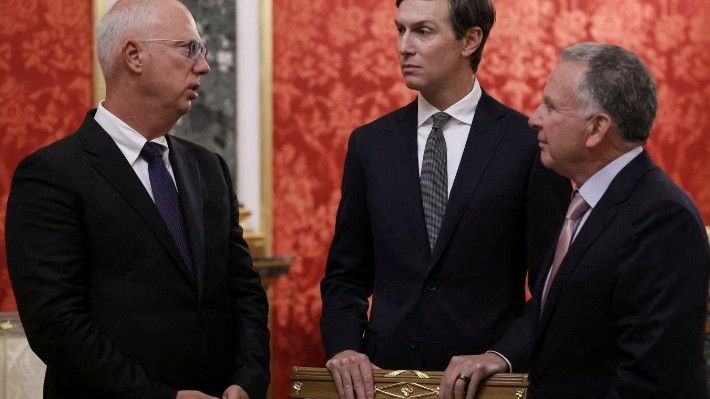
On Thursday, November 5, Jared Kushner, President Donald Trump’s son-in-law and one of the leading U.S. negotiators with Russia, caused a stir when he announced on X that the United States was working to develop a broader European security architecture as part of its efforts to resolve the conflict in Ukraine.
The announcement prompted a wary reaction in the European Union. POLITICO described the proposal as „opaque”, while EU foreign policy chief Kaja Kallas responded: „We already have a European security architecture in place — NATO and European Union both have their respective roles.”
Indeed, judging by Kushner’s statement, the substance of the proposed security architecture remains, at best, vaguely defined. We know that it is supposed to pursue five principal goals: permanent security consultations, reliable crisis communications, greater military transparency, reciprocal measures to reduce escalation risks, and an enduring framework for long-term European security and stability. Kushner also outlined the principles that would underpin the new system: „Any arrangements must fully respect the sovereignty, territorial integrity, and independent decision-making of every nation; each country will retain authority over its own security and alliances, and no country would have a veto over another’s sovereign choices.”
The description sounds too good to be true. In particular, it is difficult to reconcile with the Kremlin’s repeated official statements against Ukraine’s accession to NATO and against further eastward enlargement of the Alliance.
A much clearer picture of how Russia actually envisions such a security architecture can be gained by examining the Russian-Belarusian initiative known as the Eurasian Charter of Diversity and Multipolarity in the 21st Century. Negotiations on the Charter were officially launched on the sidelines of the UN General Assembly on September 25, 2026. The document has not yet been finalized, but proposals put forward by Belarusian Foreign Minister Maxim Ryzhenkov in his article ”Why Eurasia Cannot Wait: A Charter for Our Time” offer a revealing picture of Russia’s foreign policy priorities.
Among the proposed commitments are the following:
- No state may join a military alliance whose membership criteria systematically exclude other Eurasian states without prior multilateral consultations. NATO is, of course, the primary target of this provision.
- Participants should not apply unilateral coercive measures against one another. This provision would potentially restrict the use of sanctions as a means of deterrence.
- States should not establish permanent foreign military infrastructure that threatens the security of their neighbors. This echoes the Kremlin's longstanding demands concerning NATO military infrastructure in countries that joined the Alliance after 1997.
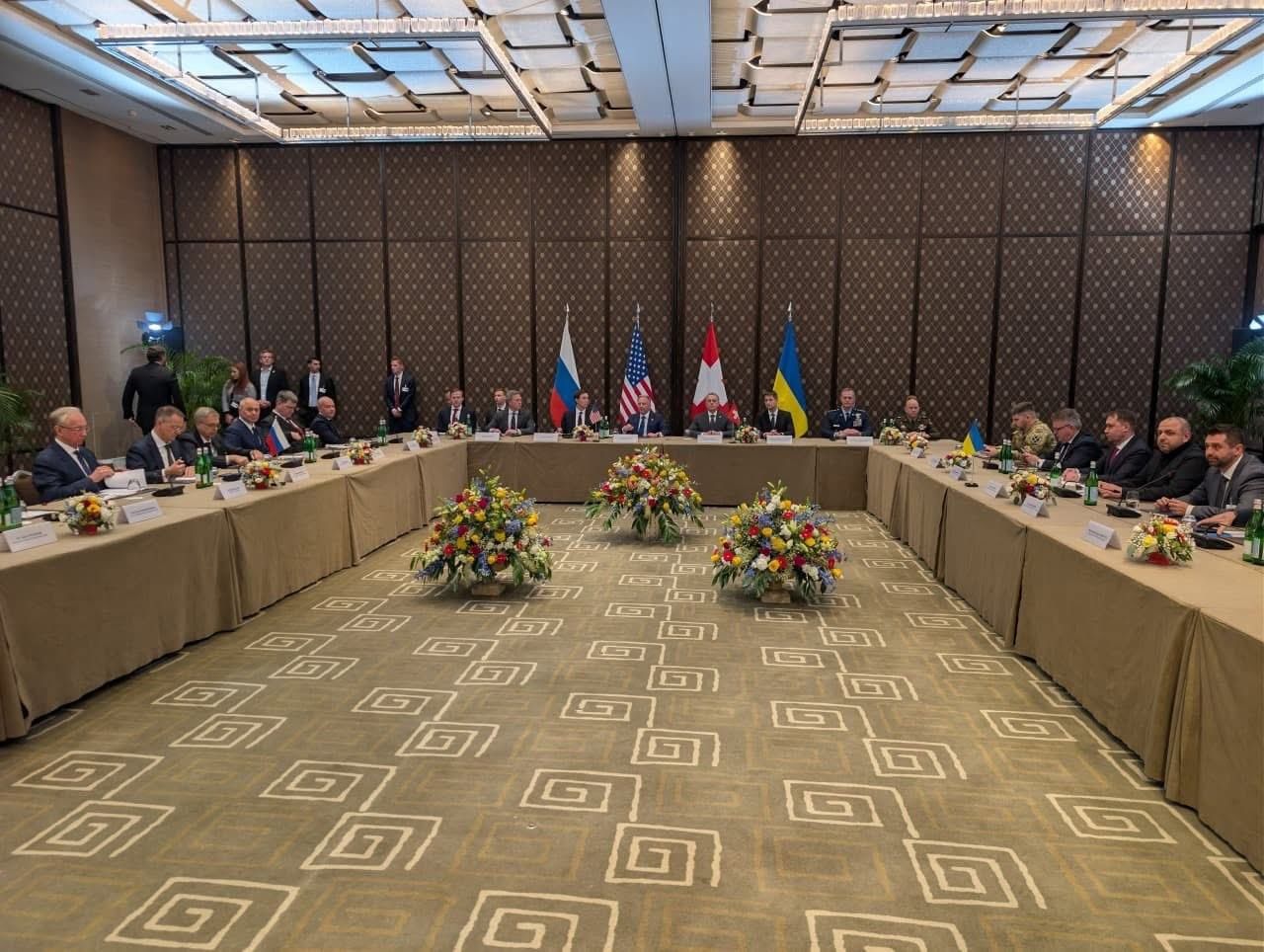
These three proposals alone reveal fundamental contradictions with Kushner’s vision. They restrict states’ freedom to choose their own allies, constrain the use of sanctions against states responsible for international aggression, and limit NATO’s ability to reinforce its eastern members.
These contradictions do not make the idea of establishing a new collective security system that takes into account the interests of NATO, the European Union, and Russia inherently unworkable. They do, however, underscore the serious obstacles facing any prospective participants in such a dialogue. Under these circumstances, it is particularly important for Europe to develop its own vision of a future European security order, drawing, for example, on the principles enshrined in the Helsinki Final Act and the Charter of Paris for a New Europe.


