- KOMENTARZ
- WIADOMOŚCI
- WAŻNE
Macron in Tokyo. Europe competes for Japan

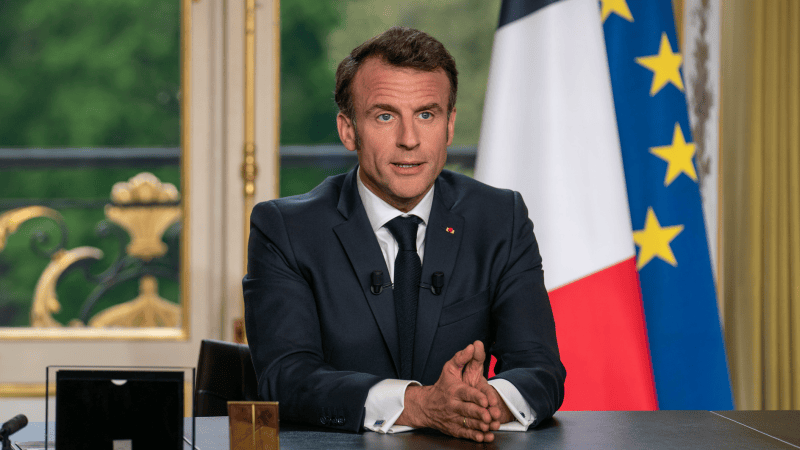
Emmanuel Macron’s visit to Japan is not only a bilateral diplomatic engagement. It should also be read as part of a wider European contest for influence in Tokyo, where France does not want to leave strategic space to Germany.
Emmanuel Macron is in Japan and South Korea from 30 March to 2 April, at a moment of clearly worsening tensions between Beijing and Tokyo. This gives the visit a broader meaning than a routine political exchange. France wants to demonstrate that it remains present in one of the key theatres of global rivalry, especially as Japan becomes increasingly important for security, technology, supply chains and the wider balance of power in the Indo-Pacific. In practice, Paris is signalling that Japan is no longer a distant Asian partner, but a state of growing strategic relevance.

What matters here is that France is not moving into an empty space. Germany had already stepped up its activity in Japan earlier, pushing for deeper defence consultations and more operational security cooperation with Tokyo. That is why Macron’s presence should also be viewed through a European lens. Paris does not want Berlin to become the leading European partner for Japan in the security domain. This is no longer only about diplomatic visibility. It is about who will build the more durable political and strategic position in Tokyo.
From that perspective, Japan is becoming not only a point of friction between China and Japan, but also an arena of growing competition between France and Germany. Berlin is trying to turn Indo-Pacific rhetoric into practical defence cooperation. France, meanwhile, is responding politically and symbolically at the highest level. Both approaches matter. Germany is building through the defence track, while France is trying to show that it still has the political weight, diplomatic reach and strategic ambition to remain central in Tokyo.
Another aspect concerns the evolving security calculations in Asia. Both Japan and South Korea are reassessing the future of their relations with the United States, which has so far acted as their primary security guarantor. In this context, Macron’s visit can be read as an attempt to position France as an additional partner at a moment of uncertainty, rather than only as a response to European competition.
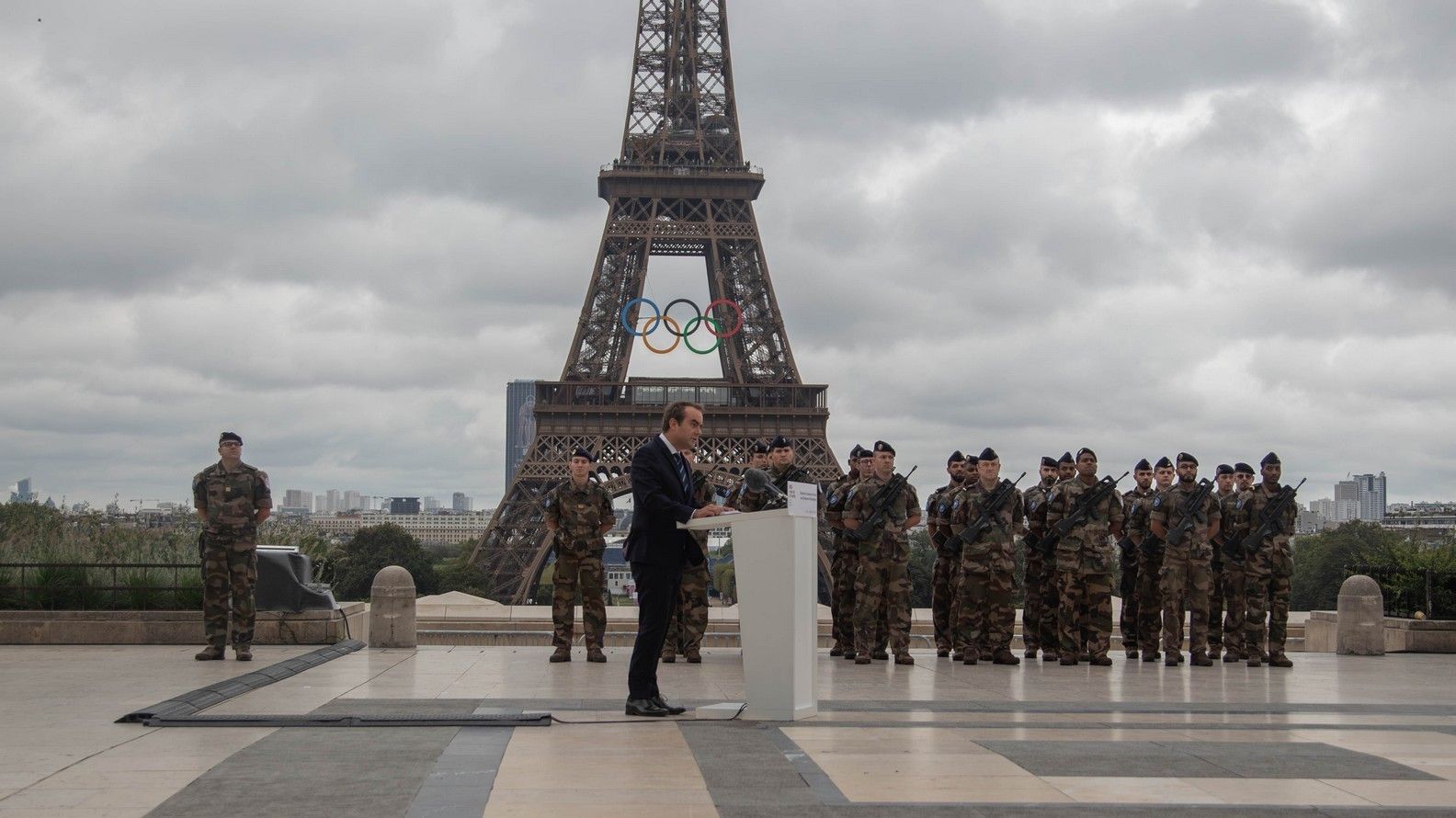
This is why Macron’s visit should be read more broadly. It is taking place in the shadow of deteriorating China–Japan relations, but it is also part of a wider struggle over relevance and access in Asia. Paris does not want to leave Tokyo to German activism, just as it does not want its role in European security to be reduced only to rhetoric.
At the same time, this Asian engagement does not replace France’s activity in Europe. Quite the opposite. Macron is expected to travel to Poland at the beginning of April, continuing the political momentum created by the Franco-Polish treaty signed in Nancy in May 2025. This shows that Paris is attempting to operate on two strategic axes simultaneously – strengthening its position in the Indo-Pacific while consolidating partnerships on NATO’s eastern flank.